I never understood people who put mini-cacti in their home. Because cacti are covered in thorns.
What does a plant have to do, exactly, for you to understand that you need to mind your own business? Slap your gran around? What a plant has to do? They’re covered in stings, they’re like knives.
They’re the West Ham football hooligans of the floral world. You don’t put a football hooligan – but mini – on top of your fridge, above a Majorca magnet and one of your daughter’s shitty drawings, because it wants to kill you. What the fuck are you doing?
When God made the cactus, most probably, this is the conversation that has happened:
“So, cactus, I can see from your file that you love people. You really love people.”
“Well, I’d love to be as precise as possible on this point, because I believe that there must be a typo, seeing how heavily people get on my tits.”
“Well, they’re made in my image, so it’s a bit insulting, but still, no problem! No problem! Last night I was shitfaced, and I invented this thing: it’s called thorns, or quills, okay? And I put them all on a massive mouse, and I called it – listen here – porcupine. Not mouseupine. No, no. Porcupine, because I’m an artist, out of control.”
And the cactus said:
“I like this thorns thingy, I like it. If at all possible, I’d also love to have a kalashnikov.”
“No, bro, no… no need. No. Listen here, listen: you’re green, and covered in thorns. And they are made in my image. They’ll understand. They will.”
Every cactus on top of a fridge right now is:
“PISSIN’ HEEEEELL! THEY GIFT ME INSIDE A WEDDING FAVOUR! FUUUUUUUCK!”
Don’t ever place a firearm next to a cactus. Don’t tempt fate like that.
Ah, cooking. The ancient, noble tradition that’s somehow evolved from “slaughter your own food over an open flame” to “grill pre-marinated chicken breasts in a vacuum-sealed plastic bag for three hours.” The once-primal art of preparing meals has managed to transform into a tedious, soul-crushing process where you follow five-minute recipe videos that promise to make you feel like a culinary god, but instead leave you questioning every decision you’ve ever made in your life.
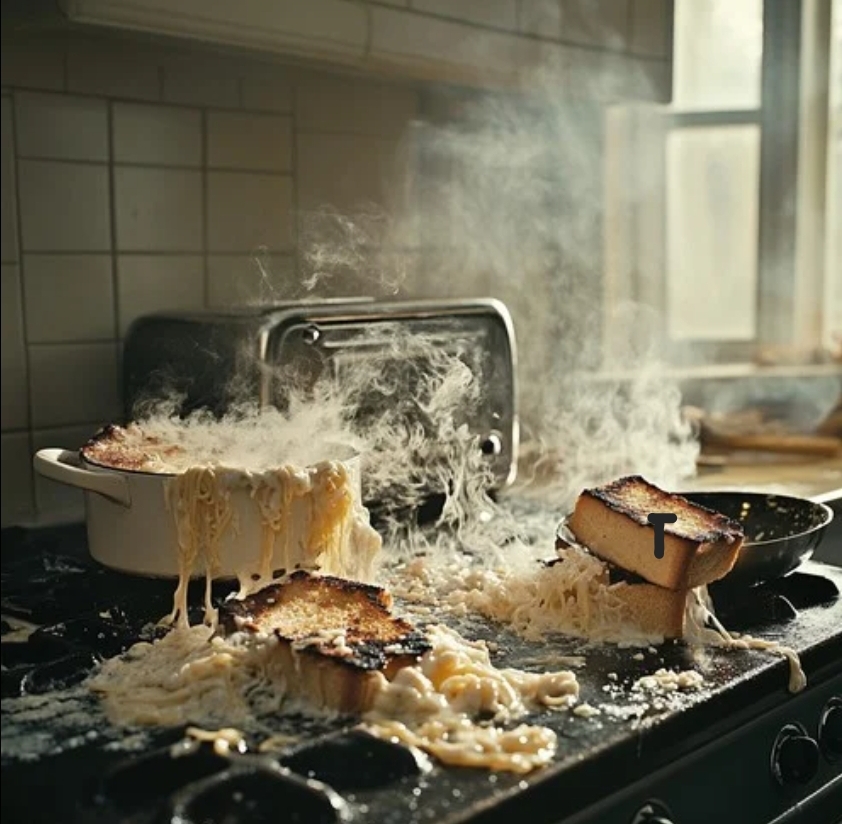
Let’s be real here. Cooking is a war zone. It’s you against a flaming stove, an army of blades that refuse to chop correctly, and a kitchen that smells like the aftermath of an industrial accident. You think you’re ready to make a simple dinner—maybe something elegant like a stir-fry—and next thing you know, you’re crouched on the floor, staring at a charred onion, wondering if you’ve just pissed two hours away for a handful of soggy, overcooked vegetables.
It starts with the recipe. You find some “easy” recipe online that’s supposed to take 20 minutes but turns into a three-hour battle. The first ingredient is something you can’t pronounce. “Where do I get kohlrabi? Can I substitute with a potato?” you Google. Reddit gives answers contradictory at best, people fighting in the comments and insulting each other’s mums. But there’s no time to think about that. You don’t have time for a faida over an ingredient. You just need to get this shit done.
And so, as we were saying: the recipe. What an insult to anyone who dares to think they can follow instructions. You start reading, full of optimism, trying to skip the personal bits that authors for some reason insist on sharing on a cooking website, convinced that it’s simply a matter of “throwing in a bit of this, a pinch of that, and voilà!” But by the time you reach instructions like “fold the egg whites gently into the mixture,” your mind has already entered a state of collapse. What does it mean to “fold”? What exactly is the criteria for “gently”? The recipe authors are probably sat in a Michelin-starred restaurant, laughing into their fine wine while you, in your humble kitchen, frantically Google “How to fold egg whites without causing an outbreak of salmonella.”
So you continue, forcing yourself to follow the instructions like some kind of culinary slave. Chop the carrots into matchsticks — but no matter how hard you try, they’re either too thick or too thin, or they look like a toddler’s first attempt at finger painting. The knife you thought was sharp enough is now just a blunt reminder of your shortcomings in life. It doesn’t slice. It tears. It’s not even cutting. It’s just mangling the carrots. You might as well be using a spoon. But you press on, because you’re determined to finish this.
Next, you’ve got to sweat the onions. After five minutes, they’re burnt. Now you’re the one sweating. The air is thick with the smell of regret, which coincidentally smells like the burnt end of a pot that’s going to be a bitch to scrub clean, later. But right now, the oil’s too hot, and now your kitchen looks like the aftermath of a grease fire. Charred bitterness adds depth. You throw the onions in a bowl, pretending you meant to do that. Who’s going to notice, anyway? Who’s even going to care?
Then, it’s time for the protein. Ah, the protein. Everyone’s always talking about protein. But what no one tells you is that chicken is the ultimate test of human willpower. Because you’ve got to cook it just right. Not too dry, but not undercooked. Not something that turns your mouth into a sand-pit, but not something potentially lethal, either. You’ve read a hundred recipes, all telling you different temperatures, in Celsius, Fahrenheit, in Kelvin, in Rankine. Different times. You don’t know if you’re supposed to pan-sear it, grill it, or just throw it in a pot of boiling water and close the lid on it like you just disposed of a live grenade at the last second, until it turns into something that vaguely resembles meat.
You stab it with a thermometer, but you have no idea what temperature is safe. What does 75°C even feel like in your soul? You’re trying to figure it out, but you’re second-guessing yourself. If you undercook it, you’ll get shigella and probably die. If you overcook it, you’ll end up with a piece of cardboard that even the dog wouldn’t touch. And the clock’s ticking—everyone’s starving, everyone’s watching. The pressure’s mounting. You just want to get this over with.
You throw the chicken onto the plate, hoping to salvage some dignity. The vegetables are mush. The rice is glutinous and clumped together like a sad, starchy lump of shame. Your side salad has wilted in the fridge, and the dressing you thought was “gourmet” just tastes like a vinegary nightmare. But God forbid you just order takeout. No. You cooked this. And – admitedly – you also cocked this. But the point is: you put in the effort. Your evening is down the toilet. You have to pretend it’s good.
They sit down at the table. You present it with the enthusiasm of someone who’s trying to cover up the fact they’ve committed a crime. The fork clinks against the plate as they take their first bite. It’s dry. The chicken’s dry. So dry. So dry it could be used as kindling for a fire. But you have to pretend. You have to keep it together. It’s too late now. They take another bite, eyes wide, as if they’re questioning everything in life. “I… I think I need more sauce,” they say, like they’re walking on thin ice. They know. They know it’s awful. You know it’s awful. The dog knows it’s awful. But you all sit there, pretending this is a moment of triumph, as if your failed experiment wasn’t a cry for help. The worst part is you do it again. A week later, you’re back in the kitchen, staring at the same ingredients, convinced that this time, you’ll get it right. The cycle continues. You’ll read more recipes, buy more tools, rack up more takeout bills to “balance out” your attempts at culinary greatness. And you’ll fail. You’ll burn the garlic. You’ll over-salt the soup. You’ll carbonise the bottom of the pot. You’ll accidentally make the mashed potatoes into a slurry of despair. The fire alarm will work overtime. But there’s always next time. Always next time to conquer the stove, to break free from the prison of microwave dinners and takeout boxes. One day, you tell yourself, you’ll create a meal that doesn’t leave you questioning your entire existence. One day, you’ll chop vegetables with the precision of a samurai. One day, you’ll find the perfect chicken recipe that doesn’t taste like a FIAT Uno’s tyre. But today is not that day.
Today, you’ll clean up the kitchen, scrape the burnt bits off the pan, and wonder why you ever thought cooking was anything more than a cruel, pointless charade.
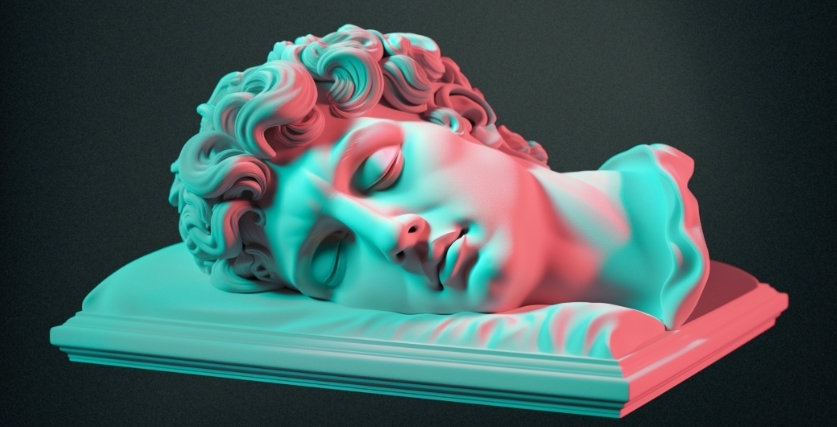
There are few experiences in life as universally terrifying, as deeply existentially unsettling, as the sheer, soul-sucking horror of attempting to leave the sanctity of your bed. The kind of experience that takes you to the very edge of sanity, where you teeter on the precipice of defeat, staring into the yawning chasm of another day, wondering whether it might just be easier to remain motionless for the next 12 hours. Because, let’s face it, the bed has everything: warmth, comfort, a lack of judgement – a sanctuary for the hopelessly lazy. But alas, society insists that you must leave it, to do things like work, eat, or, dare I say, “live”. And so it begins: the battle of wills.
Phase 1: The Negotiation (aka The Denial)
As the alarm blares – an affront to your very existence – you make the decision to cling to the warm cocoon of your duvet as if it were your last shred of human dignity. You know you should get up, but the brain, that feeble organ, insists that a few more minutes of unconsciousness is all it really needs. And so, you lie there, eyes half-open, staring at the ceiling as if you were contemplating the meaning of life. “Just five more minutes,” you whisper to yourself, making a mental note to ignore the fact that the ‘five more minutes’ you asked for twenty minutes ago turned into a full-on siesta.
At this stage, there’s an internal struggle. Your body is telling you that staying in bed is a victory, a triumph against the absurdity of modern life. “Who cares about work?” your body asks, a question that echoes the despair of the human condition. “You could just lie here forever, where it’s warm, where it’s safe, where you don’t have to do anything except exist.” It’s tempting, truly. But then your rational mind kicks in – mostly because it’s been subjected to the alarm’s relentless shrieking. “You’re an adult. You must contribute to society,” it says. Or perhaps it’s more like a cry of desperation: “PLEASE, get up, or we will be unemployed and living in a cave by noon.”
Phase 2: The Physical Assault (aka The Banishment)
And yet, the war is not yet won. Because as much as you attempt to rationalise your situation, your limbs refuse to cooperate. They are heavy, unyielding sacks of inertia, designed by some cruel deity to thwart your every attempt to get out of bed. You try to push yourself up, and immediately your back protests, as though your body is saying, “No, no, no. We had an agreement. You stay here. We lie down forever. This is our destiny.” Your muscles, apparently bereft of any memory of how to stand, groan and screech in rebellion.
You manage to roll over – an impressive feat, really – only to find that gravity is conspiring against you, dragging your body back toward the mattress as if it has its own agenda. At this point, you’re aware of just how humiliating it would be if anyone were to walk in and witness your pathetic, half-formed attempts at rising. The act of getting out of bed is no longer just a simple physical motion – it has become an art form, a tragic comedy unfolding in slow motion.
Phase 3: The Moment of Victory (aka The Reluctant Realisation)
Eventually, you do it. You move. You swing your legs over the side of the bed, feeling the cold air of the room hit your skin like a slap in the face. You stagger to your feet, disoriented, convinced that you are now an entirely different, less functional being. There is no elation at this point – no sense of accomplishment. Just a deep, existential weariness that sinks into your bones, and a nagging thought that perhaps you should’ve just called in sick and become one with the duvet forever.
And as you shuffle towards the bathroom, still blinking against the harsh light of the world, a sobering thought strikes you: you’ve only just started. There’s a whole day ahead of you, filled with things to do, none of which you will truly enjoy. And the thought of crawling back into bed later, where your body and mind can cease pretending to be functional for a few blissful hours, is the only thing that keeps you from contemplating the futility of existence itself.
Phase 4: The Deep, Dark Aftermath (aka The Regret)
Then, just as you’re about to face the grim reality of your day – emails to read, meetings to attend, the long, slow descent into a mundane routine – you feel it. That pang of regret. You were so much happier in the bed. Was this the right choice? Was it worth it? You’ll never know, because by now, it’s too late. You’ve crossed the threshold, and the bed is but a distant memory, mocking you from afar. But tomorrow, oh tomorrow, when the alarm rings, you’ll be ready. You’ll negotiate with it, bargain for another few minutes. And in the end, you’ll lose again.Because let’s be honest – getting out of bed is the hardest thing you’ll do all day.
It’s 6:30 AM. The day stretches ahead of you like a dark, inhospitable road that’s somehow still worth driving down—because you’ve been told that coffee is the fuel that makes that journey not just possible, but potentially productive. You shuffle into the kitchen, eyes bloodshot from the night’s failed attempts at sleep, yet somehow, your body—still operating on the 23rd cup of the previous day’s caffeine intake—has come to the unmistakable conclusion that coffee is the only thing standing between you and your imminent collapse.
You open the cupboard. There it is. The bag of coffee beans—those tiny, roasted morsels of hope, a symbol of a brighter tomorrow, if only you can make it through the next four hours of email replies and deadlines. You grind them. Not because you enjoy the process, but because society has led you to believe that grinding your own beans somehow signals that you’re a person of taste. The sound is maddening. A high-pitched whirring that mimics your over-stimulated brain trying to process the fact that you’re already behind on everything. The beans are crushed—metaphorically and literally—and now it’s time to brew.
As the hot water splashes over the ground coffee, you are filled with a false sense of achievement. The smell that wafts through the kitchen is enough to temporarily fool your tired, jaded mind into thinking you are about to experience something magical. But, as with all things in modern life, it’s a cruel joke. For just a fleeting moment, you believe that your productivity is directly linked to the size of your mug. You pour the coffee, half of it spilling over the edge, and your optimism shrinks. It is barely enough to keep your hands warm, let alone propel you into any meaningful work.
You take the first sip. And for about two seconds, the universe makes sense again. The bitterness washes over you like an existential awakening. This is what life is all about: bitter, futile, and endlessly addictive. Coffee doesn’t just wake you up, it numbs you to the reality of just how hopeless everything feels. For a moment, you feel invincible, but that’s only because your brain is convinced it’s been handed the magic potion that’ll make everything manageable. The rush of caffeine floods your system like the first hit of any drug—it’s short, sharp, and deeply unfulfilling. But it doesn’t matter, because it’s a necessary evil, or, more accurately, a necessary illusion.
You scroll through your phone while the caffeine does its work. There’s a new email from your boss. “Hope you’re having a productive morning!” it says, as if you haven’t been awake for less than 30 minutes and already have the distinct sense of impending doom. You take another sip. The email is followed by another, and another. There are meetings to be attended, spreadsheets to be filled in, and, of course, more coffee to be consumed, because no one has yet figured out how to build a productivity system that doesn’t rely on liquid motivation. After all, you wouldn’t dream of facing the first Zoom call of the day without at least two double espressos in you. That would be as ridiculous as trying to power a car without fuel. It’s not so much the caffeine you’re addicted to, but the idea that it might, just might, bring you closer to the day where you stop running around like a headless chicken and start feeling genuinely accomplished.You glance at the clock. It’s 9:00 AM now. That’s an hour gone, wasted in a haze of brown liquid and half-baked ambition. Coffee, like most things in life, has presented itself as the solution to a problem it created. Your to-do list grows ever longer, your energy is already starting to dip, and you find yourself wondering: Is this it? Will there be more coffee? Will there ever be enough? The truth is, you’re just chasing the high, the rush of being productive, which is the cruelest joke of all. Because you know that no matter how much you drink, there will never be a point where you can look at your day and say, Yes, I’ve truly accomplished something today.
As the morning progresses, the coffee becomes an endless cycle. The first cup—an illusion. The second cup—denial. The third cup—desperation. By the time you get to the fourth, you’re no longer drinking to wake up. You’re drinking to stave off the existential dread that has taken root, convinced that you can push the panic button just a little bit longer, if you keep topping up. And so, it continues—another day, another coffee, another set of promises you’ll never keep.And just as the day ends, you’ll be back at it again tomorrow. Because coffee doesn’t let you stop. It simply makes you believe you’ve started. And that’s enough. For now.
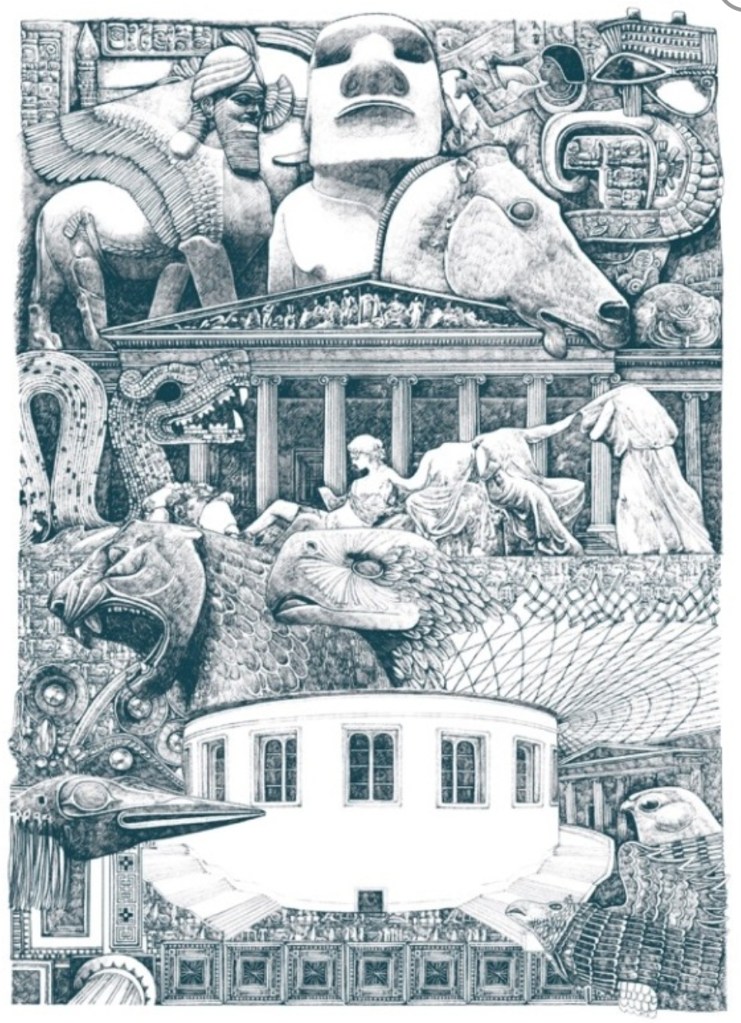
Ah, the British Museum: a gloriously grandiose institution that has spent centuries telling the world, “Look, we have all your stuff, and we’re going to keep it. Forever. You’re welcome.” The museum, often presented as a bastion of cultural preservation and education, is actually an international hoarder’s paradise. It’s like the world’s largest lost-and-found department, except instead of unclaimed coats, it’s full of the world’s priceless treasures, neatly arranged and guarded behind glass for your viewing pleasure. And by the way, no, you can’t have them back.
Let’s begin with the Rosetta Stone, arguably the museum’s most famous object. This is the stone that unlocked the secrets of ancient Egyptian writing. You might think it belongs in Egypt. You’d be wrong. You see, the British Museum, in its infinite wisdom, decided that keeping it in London was for the greater good of humanity. You know, in case anyone needs a reminder of the ancient Egyptians’ ability to write in three languages. Of course, Egypt’s been asking for it back for over 200 years, but why would they need it? They’ve already got all those pyramids, tombs, and, I don’t know, actual ancient Egyptian culture to worry about. Not the right place for the stone, obvs. Who needs a stone when you’ve got an entire civilisation? Apparently, the British Museum thinks “No, we need it more. We’re more into ancient Egyptian history than you are.”
Then, of course, there’s the Elgin Marbles. For those not in the know, these are stunning sculptures that once adorned the Parthenon in Athens. They were “acquired” by Lord Elgin in the early 19th century. And by “acquired,” I mean “stolen while Greece was under Ottoman rule,” as one does. Greece has spent the last two centuries politely requesting their return, but the British Museum, ever the gracious guest, insists they’re keeping them for the “benefit of mankind.” The idea that Greece might actually want the marbles back in the country they were made, or that they might – can you imagine? – have a right to their own heritage, seems entirely beside the point. After all, what’s a few hundred years of cultural heritage between friends?
Let’s not forget the Egyptian mummies. Ah, yes, the mummies. Those ancient remains, which should probably be lying peacefully in the sands of Egypt, rather than hanging out in a basement in London. It’s almost as if the British Museum thought, “Sure, Egypt’s got all those magnificent tombs, but have they considered how much better it would be for us to have their actual mummies in our collection? I know, I know: these were actual people who went through the whole mummification process because it was strongly embedded in their religious beliefs to be buried in specific spots, but even they will agree that how else will we remind tourists that ancient Egypt existed, other than by parading their dead ancestors around next to a gift shop that sells keychains?” The museum’s justification for keeping them is something along the lines of “preserving them for future generations.” Sure, because how can we trust this task to anybody who’s not English? Can’t trust an Egyptian with a mummy, even a child knows that.
And yet, the British Museum continues to operate under the completely absurd notion that its endless, unapologetic hoarding is an act of benevolence. One might be tempted to compare it to a kidnapper who, after holding someone for decades, insists they’re doing the victim a favor by making sure they’re well-fed and well-dressed—ignoring the fact that the victim, you know, would rather be not being locked in their shed. But no, the British Museum’s curators assure us that all the plundering, er, “acquiring,” is done in the spirit of “sharing knowledge with the world.” Right, because surely the best way to understand the culture of a country is to experience its artifacts in a building thousands of miles away, where they’re guarded by people who have, at best, a passing interest in their significance. Just don’t ask for them back, because then they’re “not culturally relevant” anymore, apparently.
The most staggering part of it all is how the museum somehow convinces itself—and, by extension, us—that this is justified. They aren’t thieves, oh no. They’re the “guardians” of history. The fact that they’re holding onto other nations’ treasures like an overzealous dog with a bone seems lost on them. But then, of course, it’s hard to see the problem when you’re the one enjoying the bone, isn’t it?
When it comes to their colossal collection, the British Museum’s reasoning can be summed up as: “We’ve had it for so long, it’s practically ours now.” This is, of course, exactly how I’d like to approach my mortgage, telling the bank in a few years that the money I “borrowed” for the next 30 years is now legally mine, thanks to the sheer passage of time. If the British Museum’s logic were applied elsewhere, every credit card debt would be an act of “long-term interest accrual,” and every stolen car would be a “historical acquisition.”
“Have you seen Marc’s new Ferrari? He acquired it with a keyless repeater, a signal amplifier, and by replacing the plate over the weekend. It’s now Tuesday. It’s obviously his, now.”
But the museum, ever the diplomat, reassures us that they’re not keeping these things indefinitely. No, they’ll happily lend them out if, say, a country were to request their return, but only under the condition that said country is okay with them being looked after by “international curators” and “experts” in the field. Why give the headache to Egyptians, Greeks, or Ethiopians to manage their own heritage when one can just pop on over to London and see it all behind velvet ropes?
At the end of the day, the British Museum’s vast, unacknowledged collection is a testament to the legacy of the British Empire: one part pillaging, one part whitewashing history, and one part so charmingly oblivious that you almost want to give them the benefit of the doubt. But only almost. Because, as the British Museum so elegantly puts it, “We’ve had it for centuries, and that makes it ours now.” And if you can’t accept that, well, they’ll just leave a note on your door telling you they’re preserving your possessions. Forever. You can’t argue with that, can you? After all, it’s not theft. It’s history. And history, apparently, belongs to the British.
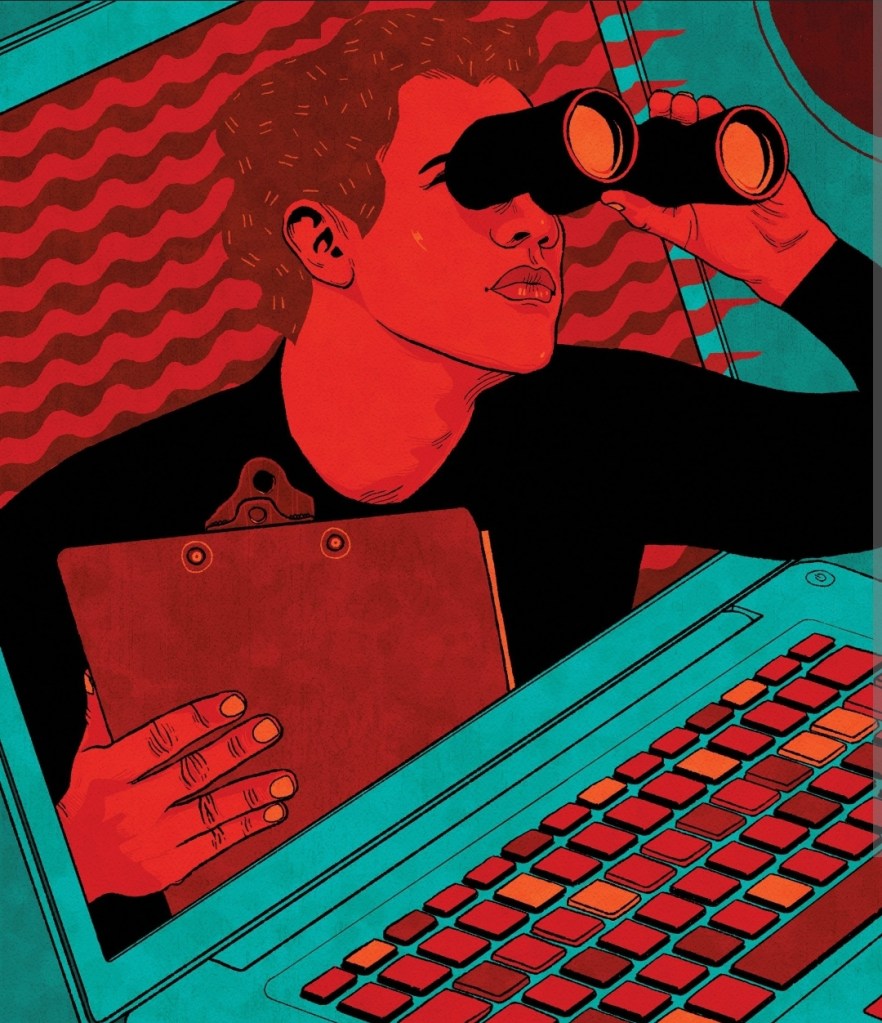
It’s a bright Tuesday morning, and you wake up to the relentless sound of your alarm clock—a noise not unlike the collective scream of humanity’s soul. You drag yourself out of bed, wipe the existential dread from your eyes, and get ready for another day in the unrelenting hamster wheel that is modern life.
First stop: the Office of Self-Improvement. This is a new initiative rolled out by the government to ensure everyone is feeling as productive as they should be. It was introduced in response to the findings of last week’s task force that identified the nation’s overwhelming need for ‘purpose.’ You’ve been assigned the task of completing the “45-Minute Morning Affirmation Routine,” an exercise in telling yourself how wonderful you are before you’ve had your first coffee.
You sit down at your kitchen table and look at the laminated self-help pamphlet, which reads: “Success is a Choice, and YOU Are the CEO of Your Own Life!”
You stare at it for a while.
Then you stare at the phone buzzing next to you with a reminder for the ‘Gratitude Meditation Session,’ which requires you to reflect on three things you’re thankful for. The only thing you’re thankful for right now is the slow, inevitable decline of your mental state, but that’s probably not on-brand.
You try your best, reciting things like, “I am thankful for my job, even though it erodes every ounce of my soul,” and “I am thankful for my health, though I’m fairly certain I’m just one social media post away from an anxiety attack.” It feels good, in the sense that stabbing yourself in the leg with a spoon might feel “good” for someone with masochistic tendencies.
At 9 a.m., it’s time for your daily meeting with the Bureau of Happiness. You’ve been assigned to a ‘happiness consultant’ who specializes in helping people who are “functionally dead inside™” (a term they’ve coined and trademarked for obvious reasons). Her name is Cheryl, and she asks you a series of probing questions like, “On a scale from 1 to 10, how would you rate your emotional resilience today?”You wonder if Cheryl herself has ever thought about the abyss of nothingness that lies at the center of our souls, but you’re fairly certain she’s too busy updating her Instagram with motivational quotes from dead philosophers. She smiles at you, showing her ‘empathy,’ which is so authentic it could be sold as a “brand new” concept to billionaires.
Your meeting ends with Cheryl assigning you the task of ‘reclaiming your energy’ by attending a mandatory ‘Live Your Best Life’ seminar. The seminar, naturally, will take place via Zoom, which will require a full 90 minutes of sitting in a call full of people pretending they care about things like ‘personal growth’ and ‘positive thinking’ as they simultaneously scroll through their emails. The fake background conceals how messy your living room really is.
By noon, you’ve accumulated enough “positive energy” to tackle the afternoon’s most daunting task: going to the supermarket. You’ve been assigned a ‘time slot’ for your grocery shopping based on your personal efficiency profile, which is created by the ‘Life Optimization App’ you’ve been required to download. The app tracks everything—your mood, your steps, your food intake, and your attempts to bury your personal demons in the existential void. You reach the store, only to find it’s packed to the gills. Inside, the aisles are divided by QR codes and color-coded labels, each one serving as a reminder that you’re not really ‘living’ unless you’re optimizing every second of your existence. As you grab the usual items—milk, eggs, bread, a small amount of despair—an AI assistant over the loudspeaker reminds you to “Maximize Your Time and Energy! You Deserve It!”You glance at the other shoppers, each of them pushing carts filled with ‘wellness’ products that promise to ‘boost energy’ and ‘restore balance.’ You roll your eyes and grab a bottle of vitamin supplements that may or may not have been scientifically proven to do anything.
Back home, the real fun begins: it’s time to ‘reorganize your life.’ Your calendar is so tightly packed with appointments and activities that even your vacation is booked out six months in advance—ironically, so you can work on ‘self-care’ during your next holiday. But before you do that, you’ve got a two-hour block set aside to declutter your house, because it turns out the true source of happiness is a Pinterest-perfect kitchen.You start by throwing out old shite that’s pinned to the fridge with magnets and that one coffee mug from your ex that you’ve been meaning to get rid of for two years. In the process, wedged in between two recipe books, you rediscover your old journal from high school, which contains angry rants about the meaninglessness of life. It’s a nostalgic moment, like finding an old photograph of yourself before you gave up on ever feeling anything. You look at the journal for a moment, sigh, and toss it into the bin with a grim sense of satisfaction.
The evening concludes with another round of ‘Positive Reaffirmations,’ followed by a meditation on the futility of modern existence—saying “I’m doing well” disassociating from the face of absolute chaos. You finish the night by watching a TED Talk on ‘How to Live Your Best Death,’ a promising new topic that combines the inevitability of death with the need to make money off it.
As you drift off to sleep, you wonder what tomorrow’s self-improvement task will be: perhaps ‘How to turn your Dying Inside into redeemable points,’ or ‘How to Maximize Your Grief into interaction.’
The future is bright.
And by bright, I mean it’s an unbearable flickering neon glow that keeps you awake at night with the relentless reminder that nothing, absolutely nothing, is ever going to be enough.
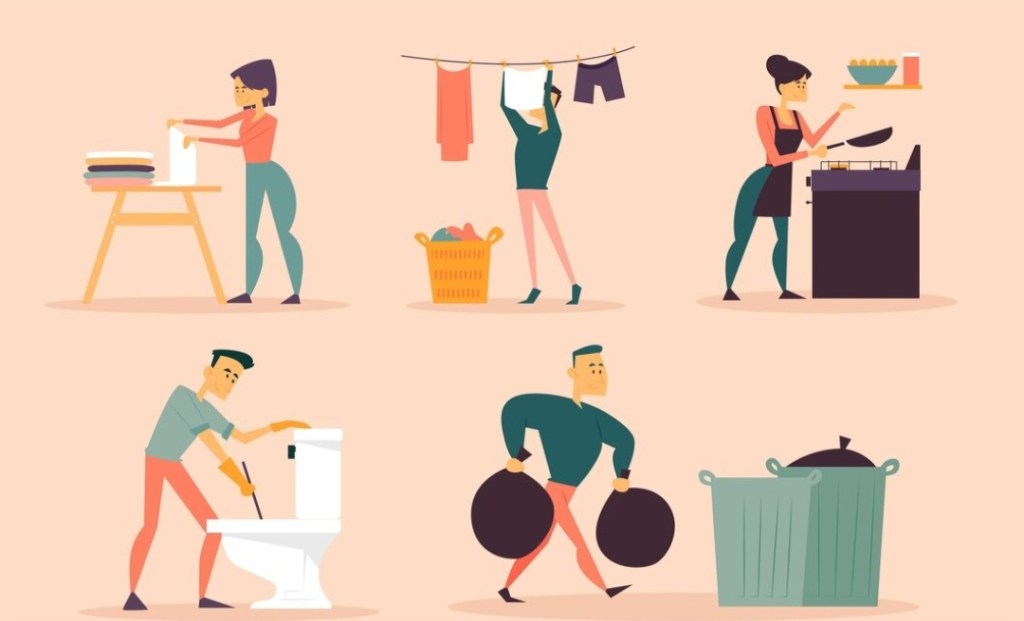
Ah, housework. It’s the unwelcome guest at the party that is our daily existence — a guest who refuses to leave, despite our polite, increasingly desperate, attempts to show them the door. You know the one. The person who arrived under the guise of “I’ll just pop in for a quick drink,” but, five hours later, is still sitting on the couch, blabbering about their garden renovation plans while you passively (and very nearly imperceptibly) edge towards the door.
I’m sure I’m not alone when I say that there exists a mysterious, nebulous thing called “cleaning,” a force that looms in the background of one’s existence, like a rogue planet. It orbits your life, ominous and ever-present, occasionally pulling you into its gravitational field with alarming, irresistible force. Some days, it’s dusting. Other days, it’s mopping. And let’s not even speak of the laundry — a task so multifaceted, so long-winded, it could be a novella if it were a bit more coherent and less riddled with wrinkles.
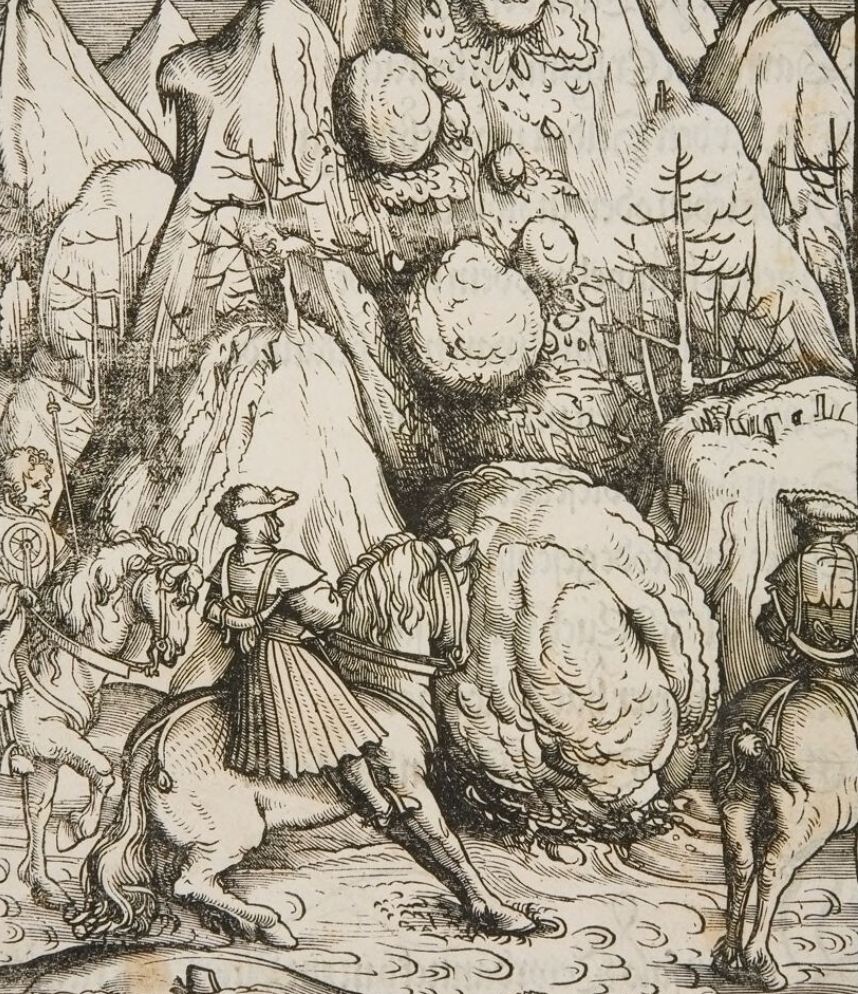
There’s a particularly charming irony in the way cleaning works. You finish one job, proud of your accomplishment, only to look around and realize that, rather than having removed the grime from the universe entirely, you’ve merely nudged it along to a new location. You vacuum, and suddenly it seems as though a thousand more crumbs have been unleashed in your wake. Where were these crumbs five minutes ago? Were they waiting in ambush, biding their time under the furniture, waiting for you to make that brave, half-hearted attempt at domesticity? The truth is, housework is like a Sisyphean task, but less poetic and more domestic. In Greek mythology, Sisyphus was condemned to roll a boulder uphill for all eternity, only to watch it tumble back down again. This, surely, is the destiny of anyone who tackles the laundry pile. Or the dishes. You wash the dishes, and the next thing you know, you find four used mugs dotted around the house. Before you know it, you’re in a situation not entirely dissimilar to those eternal looping train rides that never seem to end, the same track, the same repetitive clankclankclank of reality.At times, I find myself questioning the point of cleaning. I mean, why do I keep vacuuming the same rug? It’s not as though the rug is going to become a person and return the favor with a bit of light housework. No, that would be absurd. If rugs could clean, they’d probably spend their days getting underfoot and critiquing your cleaning methods. “You’ve missed a spot, you know. I’m just saying.”
But then there’s the other side of housework — the one that’s more sinister. The “all-consuming” side. You start with a simple task, like scrubbing the bathroom sink, and before you know it, you’re elbows deep in the fridge, debating whether those olives are still edible or whether they have transformed into a sentient penicillin colony. And yet, there’s a certain satisfaction to this madness, isn’t there? The feeling that, for a fleeting moment, the world has been put to rights. The tiles have gleamed, the laundry is folded, and perhaps, just perhaps, the dust has temporarily been vanquished.
Then you sit down on the couch, feel a deep sense of pride, and are promptly greeted by a mountain of paperwork you could have sorted out last week but opted not to. The cycle begins again. So we carry on, don’t we? Every now and then, perhaps with a sigh of resignation, perhaps with a brief and fleeting moment of joy, we continue to tidy up, knowing that the broom will forever chase us through the house like an obedient, if slightly overzealous, dog. And yet, in our hearts, we know we’ll never truly win this battle. We can only delay the inevitable, and even then, only for a very short time. Such is life. Such is housework. And such is the human condition.
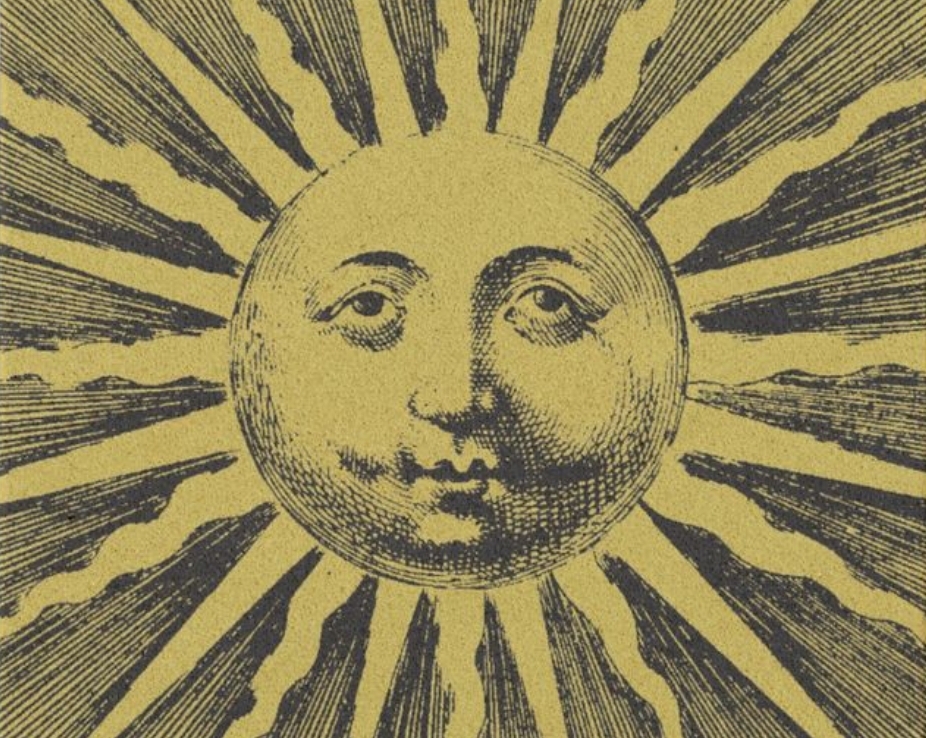
It was once a simple matter. Thousands of years ago, people worshipped the Sun as a god, making sacrifices of all sorts—virgins, goats, perhaps even a few particularly enthusiastic charioteers— everything from which you could extract a still pulsating heart to appease the giant ball of fiery gas that could make or break harvests and tans. The Sun, ever the attention-seeker, didn’t mind. In fact, it quite enjoyed the praise.
It gavee life to everything you see and you can feel its warmth on your skin, and – in exchange – it only demanded that a ribcage or two were cracked open like a walnut she’ll at Christmas time, every now and again. It sounds like a toxic relationship, but these were different times. The good old days.
Then, as history often does, it got complicated. Along came a chap, no less that on the day of the Dies Natalis Solis Invicti – or the “birthday of the invincible Sun” – on December 25th, and said “Why are you all celebrating the Sun? Today is Jesus’s birthday! Always has been! I mean, not always, maybe, but, you know…” and suddenly, the Sun’s big day was overshadowed by someone else’s birthday. The audacity of it all! After millennia of being the center of attention, the Sun was unceremoniously shoved aside by a bearded carpenter, a man who wouldn’t have known a solstice if it slapped him across the face.
A man so obviously less powerful than the Sun. And the Sun knew it well. You can’t stare at the Sun for more than a second, you can stare at a crucifix until you fall asleep, because there are sunglasses, not Jesusglasses. There are solar panels, not Christ panels. The Sun gives you skin’s cancer, Jesus cannot cure it.
There’s simply no context.
At first, it didn’t seem so bad. The Sun still got some mention in passing, perhaps as a metaphor or a glowing reference in a sermon or two. But no hearts were ripped from ribcages to praise it. It was simply no way to live. But the Sun wasn’t the type to forget a slight. Slowly, over the centuries, a subtle resentment began to simmer. Instead of openly confronting the problem—perhaps sending a few angry rays to scorch the city of Rome—the Sun took a far more calculated approach. It did what all truly passive-aggressive entities do: it started to make life uncomfortable, just enough to make you think. It was a slow burn. Literally. Every year, a fraction of a degree warmer. “Oh look, still no sacrifices, let me turn up the thermostat!”
Cli-click.
Minor heatwave here, a summer that was just a little hotter there. It wasn’t immediately noticeable. People simply chalked it up to “weather patterns” or “human activity”—foolishness, of course, because we all know that nothing in the cosmos happens without some sort of celestial motive behind it. The Sun, with all its solar flare and fiery bravado, was sending a message.
Eventually, things heated up. Politicians, ever the experts in obfuscation, began blaming either climate change or telling us that global warming was a myth. Meanwhile, the Sun, content to let its heat rise a degree or two every year, sat back and chuckled.
Like that chap at the office that keeps cranking up the heat until everyone else starts sweating bullets and looks at each other wondering who is going to say something. And still, we didn’t sacrifice even a chipmunk to the Sun.
And so, in a rather quiet and entirely undignified fashion, the Sun exacted its revenge. Each year, another degree. The ice caps melted.
The Sun is reminding us, one degree at a time, that it would not be ignored.
No one likes a birthday party hijacker, and the Sun was no exception. But instead of an all-out tantrum, it’s decided to take the long game approach.
Now that we finally realised we’re all sweating buckets under the Sun’s unrelenting glare, it is too late to send an apology card.
Am I suggesting that we should bring back human sacrifices?
Yes.
That’s exactly what I’m suggesting. After all, what’s the point of being all-powerful if no one’s paying attention?
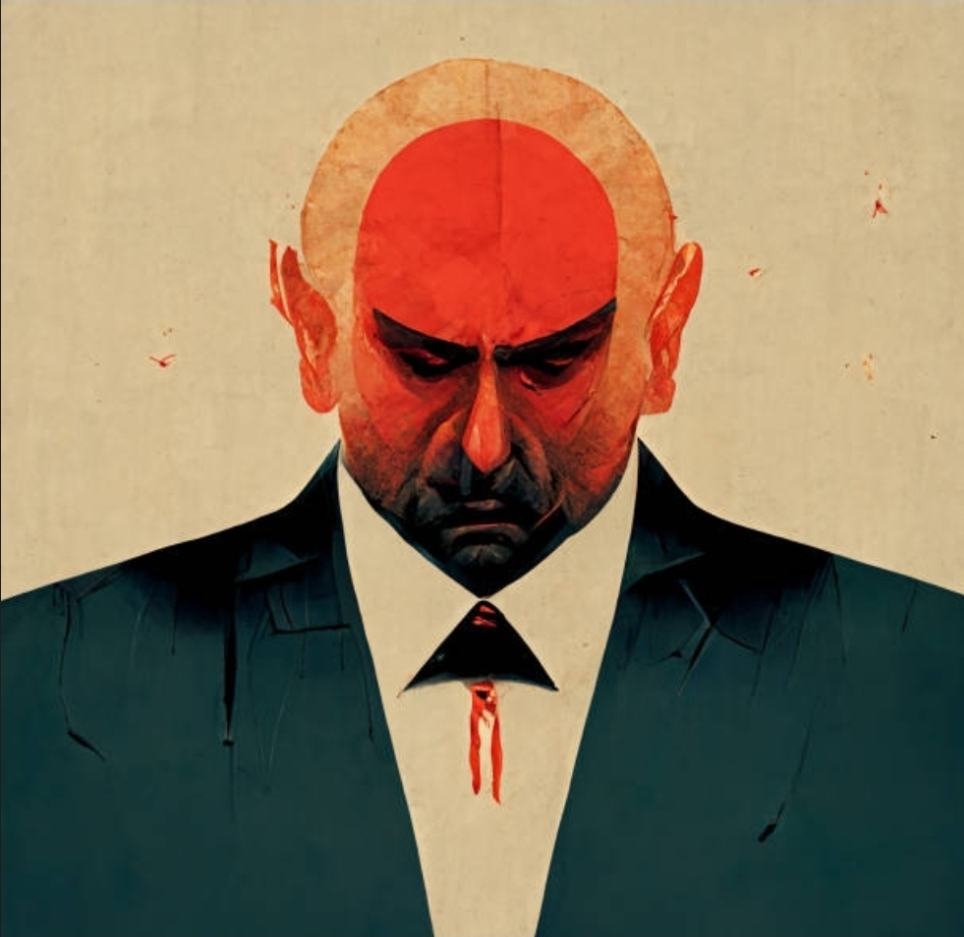
It’s a tough day for the Devil. You can tell by the way he is brooding over his desk, shuffling through what used to be the most valuable commodity in the universe: human souls. He’s not happy. Not because he’s out of souls – far from it. No, it’s because he’s come to a brutal realisation: souls are now utterly worthless. They’ve been devalued. And no one’s even noticed.
It wasn’t always this way, of course. Souls used to be the currency of damnation. People used to sell them like it was a get-rich-quick scheme. A quick little path here, a Faustian bargain there, and bam, eternal suffering in exchange for a shiny new car, a successful marriage, or a mildly successful music career. The Devil’s business was booming, everything was going according to plan. Hell was packed with the whiny, the selfish, and the ethically bankrupt – the usual clientele.
But now? Well, now the Devil’s sitting there, looking at his soul portfolio, and it’s like he’s holding a bag of expired coupons. The market has crashed. People are still signing contracts, sure, but what they’re offering isn’t worth the blood it’s written in. The souls have been diluted, rendered meaningless. The Devil’s got an office full of souls, but they’re like crappy timeshares or a cheap knockoff handbag you buy in a back alley – everyone’s got one, no one values them, and they only lead to disappointment.
He’s pacing around his penthouse in Hell, thinking that – the way things are going – he won’t be able to afford anything better than a shack, soon. Trying to figure out what happened. The thing is, souls have always been the commodity. They were sacred in their misery.
But now? Now souls are like a blue tick on a social media handle.
The Devil knows who to blame, of course. And of course it’s Him: God. Back when there were only two souls, the original two -Eve and Adam- back then, yes! Souls used to be true Wealth. The Devil’s chest still puffs up at the memory. He managed to corrupt them, to make them eat the apple, and to mark them with the original sin.
But, oh no: ever the sore loser, God couldn’t accept it. He wanted to keep playing, so He had created more souls. Eve gave birth with great pain and so on and so on, and now there were – how many billions of souls on Earth? Seven, eight, nine? Even the Devil couldn’t be arsed keeping count, anymore. They kept growing exponentially, anyway.
Back in the day, there was a king. From where again? Phrygia or something. Anyway, he was called Midas and wanted to turn to gold everything he touched, so Dionysus granted him his wish. The gift became soon a curse.
If everything gets turned into gold, soon the market gets saturated, and the gold becomes pretty much worthless.
It was genius! This is still studied in Hell’s schools. Turn the greed of humans into their ruin. The Devil used to laugh at Midas and his short sight.
You know what the Devil doesn’t find funny? When it’s God Almighty making the same short-sighted mistake, and souls now are worth as much as a fistful of Monopoly money.
“Almighty my bollocks, that’s like the first rule of market they teach you in business school” the Devil curses under his breath, as he watches the stock arrow of the souls market plummeting down to an abyss that even the Lord of Hell finds to be too deep.
The Devil doesn’t know what to do with Himself. He thought about pivoting into something else, maybe offering “eternal pain with an experience package” or selling VIP access to personal damnation tours, but everything is so commodified now. Hell has become a subscription service, a streaming platform for your worst nightmares, with way too many ads.
Maybe the worst part of it all? The Devil looks at humanity and realises they don’t care. They don’t need to be tricked into selling their souls anymore. They’re already doing it willingly, like they’re on some kind of endless, dopamine fuelled treadmill.
People don’t need an eternal afterlife of suffering to ruin their existences. They’re perfectly capable of doing it themselves, one bad decision at a time. Gambling, shopping spree, career choices, the irrational hate – it’s all a slow burn, and the Devil isn’t even the one holding the match anymore. He’s just a passive observer now, watching humanity self-destruct.
It isn’t even funny, in a B-horror movie kind of way. In fact, it’s fairly pathetic.
So here he is, sitting there with his stack of worthless souls, wondering if maybe the end of the world isn’t the worst thing after all. Maybe it’s time for a career change. Hell’s not what it used to be – not when you’re competing with 24 hours news cycles, reality TV, oligarchy being paraded as democracy, and influencers promising you the “ultimate experience” for just a low, low price. The Devil realises that in a world where people are selling their happiness for the smallest thrills, the soul has no intrinsic value. Maybe it never did, even when there weren’t so many around.
At this point, the Devil just shrugs. He’s already got the soul of humanity – and it has been paying dividend for centuries. But right now, he’s got a stack of paperwork to burn, an inbox full of apocalyptic memes, and no one left to torment.
I wish I could claim that politics is terrible in a specific country.
It isn’t.
The world’s eyes are trained on American politics. I’m not going to spend a lot of words on it, but if you work as a P.R. for any organisation and- before the welcome party is even over – you’re already pulling overtime deciding how to dress up a Sieg Heil salute for the media, you might want to open Indeed and update your CV, because it’s going to be a long four years.
But I live in England, and politics has been ridiculous for a while, here, too. I used to live in Italy during Berlusconi’s prime, and guess what? It was terrible, there, too. And somehow it has managed not to improve after he died, either.
God, I just turned 36 and – in politics years – I feel like I’m aeons old. I spent 20 years under Berlusconi’s shadow alone. You get a lighter punishment for killing someone.
My point is that watching the electorate choosing a leader feels like watching a post apocalyptic soap opera. Not a good one, either, with clever writing, plot twists, and tridimensional characters. No. We get the villain (the politicians who will inevitably get elected) telling the hero (the electorate) to slathe their body in honey. Then the hero gets swarmed, stung and bitten by wasps and flies, like in the third canto of Dante’s Inferno. Every episode for twenty seasons. And the hero still hasn’t connected the dots.
After twenty seasons of the villain telling the hero to cover themselves in honey, the hero finally understands why they’re always tormented by insects: it’s because women have a right to abortion! And the villains gets elected once again.
Sometimes, the villain will openly post pictures of them with the CEO of Asbestos inc., and tell everybody that they will start shoving asbestos into teddybears.
“But they mean well,” the hero will coo.
After a lifetime of this, I’m starting to see democracy akin to placing a group of toddlers next to an infinity pool filled with fuel, shoving a box full of matches in their pudgy hands, and then congratulating ourselves because this is clearly the best system we can come up with.
But the truth is that I’m just being unfair and jaded. This could work.
This could work, but.
We’ve all had to deal with people. We’ve all heard comments so ignorant that left us speechless. Comments that are followed by an awkward silence broken solely by the sound of your bollocks cascading to the ground.
There’s a reason why, election after election, we’re getting closer and closer to totalitarianism. We can still save ourselves, but if you think that doing nothing and hoping that a collective consciousness will be suddenly ignited by mainstream media, then I have some flying pigs to sell you.
There’s a famous, very old book called The Betrothed by Italian novelist Alessandro Manzoni. In it, a guy called Renzo needs to see a lawyer because of reasons, and decides to bring him some chickens as a gift (it’s set in the 17th century.) So he grabs a couple of chickens by their feet, and goes. As he walks, the chickens – now finding themselves dangling upside down and facing each other – start pecking at each other.
We’re like Renzo’s chickens.
Instead of focusing on the hand carring us as an offering to a rich somebody and start a class war, we’re too busy pecking at each other in an endless culture war.
The problem isn’t just that we are gullible; it’s that we actively choose not to learn. The educational systems, which were once designed to foster critical thinking and debate, have become little more than factories churning out passive consumers rather than informed citizens. The irony is that in an age of unprecedented access to information, we seem more ignorant than ever. We are so overwhelmed with data that we can no longer discern fact from fiction, truth from spin. Worse still, the tools designed to help us learn — social media, news outlets, online forums — have become instruments of manipulation, drowning out any meaningful discussion with a cacophony of misinformation.
And so, the cycle continues. The electorate votes, the politicians continue to lie, and the machinery of totalitarianism grows ever more efficient. One right at the time, freedom is shaved off. It doesn’t come in the form of a dramatic coup or an overt military dictatorship (not yet, at least,) it comes in subtler way.
Like a predator that doesn’t shove you in a van to spirit you away, but undermine your confidence with venomous narcissism, controls who you can see, keeps you financially dependent… until fear of upsetting the captor becomes the only reality we know.
No one’s stopping you from speaking out, they’re just making it so inconvenient that you stop doing it.
But it doesn’t have to be this way. The electorate can still save itself, but only if it wakes up and takes responsibility for its own education. The real work begins now — outside the classrooms, away from the politicians, and in the places where actual knowledge resides: in books, in conversations, in critical thinking. It’s time for a revolution of the mind, one that demands self-education, asks uncomfortable questions, and, above all, refuses to be spoon-fed lies.
There are books, there are podcasts, there are actual experts out there, and, no, they don’t appear on your social media feed between influencers doing the Macarena.
Surround yourself with good people.
Organising is the next step. Once the electorate begins to understand the depth of the problem, it must come together to challenge the system. The power lies not in individual protests or isolated cries of dissent, but in collective action, in the shared will to demand real change. No more blind obedience. No more accepting the status quo. The future of democracy depends on the ability of the people to recognise the wolf in sheep’s clothing and to say, “Enough.”
If we don’t act, we’ll find ourselves in a society where questioning anything is considered subversive, and the only “truth” is what’s been handed down from on high. If you want democracy to survive, you need to read, you need to ask questions, and most importantly, you need to start holding politicians accountable.
Or soon, we won’t be in the driver’s seat anymore.
Or rather, we’ll still be.
Like a toddler holding a steering wheel while the car’s being driven by a drunk uncle who’s just trying to get to the pub.


 Cantankerous Cockerel