There are, if we’re being honest, very few moments in our lives in which we gaslight ourselves more than the moment we purchase a new notepad. It promises so much — that blissful combination of fresh, blank pages, the crisp, clean smell of unmarked paper, and the seductive thought that this one might finally be the notepad to change our lives. It’s a lie, of course, but one we continue to tell ourselves with alarming regularity.
The process begins innocently enough. You’re at the stationery store, perhaps in the throes of a mid-afternoon lull, when you notice it: the pristine, unspoiled notepad. Maybe it’s leather-bound, maybe it’s spiral-bound, or maybe it’s just an unassuming A4 pad. But whatever it is, it gleams with possibilities. The shelves, previously filled with an inconsequential array of pens, post-its, and highlighters, now seem to fall away as your gaze locks onto the holy grail of productivity.
You pick it up. You flip through the pages. You hold it at arm’s length to admire the symmetry of its design. You let the thought slip into your head that, with this notepad, you will finally capture all those ideas that have thus far slipped through your fingers. The great novel, the ground-breaking business plan, the perfectly organized to-do list — all will flow effortlessly from your pen to its pages.
And that’s when it happens. The vision of your future self — the one who writes with purpose, who has goals, who does not waste a single moment — materializes. You can practically hear the sound of the pen scratching across the paper, transforming your scattered thoughts into tangible, actionable outcomes.
But here’s the thing. You won’t.
Oh, you’ll write a couple of lines, maybe a grocery list, perhaps a half-hearted attempt at sketching out that business idea. You’ll embellish the two pages you’ve actually used with the most complex doodles, turning the words “To do” into something that could be the envy of the most disciplined monastic scribe, hoping they’ll distract the eye from the empty pages. But soon enough, the blank pages will start to mock you. The notepad, once filled with potential, will reveal itself for what it truly is: a metaphor for your unfulfilled promises. It will sit there, untouched, as the days stretch into weeks, and you’ll console yourself with the thought that you’ll get around to it soon. After all, you’ve got a new notepad.
The irony is not lost on you. You know that buying a new notepad is not the solution to your creative block or your inability to get things done. In fact, you know that the notepad is, in itself, part of the problem. It’s the perfect distraction — the shiny new thing that promises you can be the person you want to be without actually doing anything about it.
There’s a profound comfort in this, of course. The illusion of productivity is far less taxing than actual productivity. It allows you to feel like you’re in control, that you have your life together, when in reality, you’re just another person wandering the aisles of a stationery shop, in search of salvation through a small, overpriced stack of paper.
And so the cycle continues. New notepad, same old procrastination. But what else is there to do? For the briefest of moments, that crisp, empty page offers a chance for reinvention. It’s the only place where failure hasn’t occurred. At least, not yet.
Let me preface this by saying I am not anti-technology. I’m not one of those people who wants to bring back cassette tapes, dial-up internet, or the Black Death just because it’s “retro.” No, I quite like the idea of online shopping. It’s just the reality of online shopping I object to. A reality that appears to have been designed by a committee of caffeinated toddlers with a fetish for captcha codes.
Theoretically, online shopping is a modern miracle. You click a few buttons, money disappears from your account (possibly via Luxembourg), and then a package magically appears at your door, containing—if the algorithm gods smile upon you—the thing you actually ordered. Usually it’s some nightmare version of that thing, made of polyester and what feels like a kick in the bollocks.
Take, for example, the simple task of buying socks. This should not be difficult. Humans have been wrapping bits of cloth around their feet since the Roman Empire. And yet here I am, twenty minutes deep into an existential crisis on Amazon, trying to decipher the difference between “breathable athletic no-show ankle liners” and “moisture-wicking foot gloves for performance enhancement.”
They’re socks. I want socks. I don’t want my feet to be enhanced. I want them to be warm, dry, and unscented.
But online retailers disagree. They want you to think sock shopping is a lifestyle choice. An expression of your soul. Are you a “bold argyle adventurer” or a “minimalist ribbed innovator”? But I just want socks that don’t collapse into a damp, wrinkled wad inside my shoe like a defeated jellyfish.
Then there’s the sizing. Oh, the sizing. I clicked on a pair of socks advertised as “One Size Fits All.” But in the size chart it said, “Fits shoe size 6-12, depending on foot shape, planetary alignment, and whether love is smiling to all Scorpios.”
And the reviews. Good lord, the reviews. You learn things about people in sock reviews that no human should know. “Gave me blisters after my divorce.” “Great socks, wore them to court.” “Fit perfectly but my cat choked on the packaging.” None of this helps. I don’t want a Greek chorus of emotionally unstable sock poets. I want a pair that doesn’t disintegrate faster than my will to live.
After three hours of scrolling through vaguely sinister product descriptions—“These socks cradle your feet like a mother’s touch”—I finally order something, only to be informed it will arrive between Tuesday and the heat death of the universe.
Three weeks later, a package turns up. I open it, trembling with anticipation, and find… a USB-powered foot massager shaped like a rabbit. No socks. No explanation. Just a note that says “Enjoy your purchase!” I am not enjoying it. I am terrified of it.
In conclusion, online shopping is a cruel joke, a hall of mirrors made entirely of false hope and prime memberships. The local sock shop might have smelled faintly of damp carpet and you had to interact with a fellow human being, but at least when I went in and said “socks,” the human being gave me socks. No mystery, no algorithms, no unsolicited rabbit massagers.
And yes, I still wore them. Because the return process involves printing something, and I haven’t owned a printer since 2007.
The sun had barely risen over Studio Lot 7B when a blood-curdling scream pierced the air.
“WHERE IS MY CUCUMBER-INFUSED DRY WATER COCKTAIL?!”
It was Bianca Starr, three-time Soap Opera Digest “Best Cry While Standing in the Rain” nominee and reigning queen of daytime dramatics. She stood in the middle of the set wearing a wedding dress made entirely of repurposed tissues from the prop room and a veil so long it trailed into a nearby rat trap.
Welcome to the set of We Love Love 2—a soap opera so aggressively terrible that it was canceled before its first season ended, only to be rebooted by the streaming service “FlixxIt” after an intern accidentally uploaded the pilot instead of “Pride & Prejudice.”
Now it was a cult hit among insomniacs, stoners, and people who thought The Room was too subtle.
At the center of this creative hurricane was director Maximilian Vibe, a former music video auteur best known for inventing the “slow zoom on crying banana” technique. He stood behind the camera wearing sunglasses indoors, clutching a latte made from espresso, Red Bull, and Guttalax.
“Okay, people!” Max clapped. “Episode 143 of We Love Love 2 starts here. Let’s remember what happened last time: Vanessa was revealed to be her own twin’s evil ghost clone, the wedding was interrupted by a spontaneously combusting mug, and Duke was reincarnated as a moderately attractive pool boy with a dark secret and a mild gluten intolerance.”
He turned to his assistant, a trembling film school graduate named Trevor, whose job title was officially “Script Continuity Consultant” but more accurately should have been “Sacrificial Intern.”
“Trevor,” Max said, “does any of that make sense?”
Trevor blinked. “Sir, I don’t think the show even knows what it’s about anymore.”
“Perfect,” Max grinned. “Let’s roll!”
Bianca Starr wasn’t the only soap relic gracing the cast. There was Chad Thunderbuns, former underwear model, who delivered every line as though auditioning for a cologne commercial. His character, Duke Von Sexington III, had died six times, but viewers kept demanding more shirtless angst.
Then there was Sasha D’Amour, who played Vanessa Moonstone, the show’s brooding anti-heroine/fashion mogul/sorceress/maybe-a-vampire. Sasha had one acting tool in her toolbox: intense squinting. She had squinted so hard during Season One that she needed corrective eye surgery.
And who could forget Kevin—just Kevin—who played a character named Kevin, and was only hired because his uncle funded the show’s fog machine.
Kevin never memorized his lines. Instead, he made up dialogue that somehow always included the word “sandwich.”
As the camera rolled, Max shouted, “Scene 23B! The wedding of Vanessa and Duke’s reincarnated pool boy self, now known as Lance Moisture! And ACTION!”
Bianca (as Vanessa) stood at the altar, sobbing dramatically.
“Oh, Lance, you make my heart flutter like a dying pigeon on a windy day!”
Chad (as Lance) flexed his pectorals.
“Vanessa… I may be a reincarnated pool boy, but I’ll always treat you like a princess. Even if your soul is currently trapped in a crystal decanter.”
Trevor whispered urgently into Max’s ear, “That’s not the line.”
Max shrugged. “It is now.”
Suddenly, the set door burst open. In stormed a llama in a tiny tuxedo, which had not been called for in the script.
“Goddammit, not again!” someone screamed. It was the animal wrangler, chasing behind the tuxedoed beast. “His name is Sir Spits-a-Lot and he’s union now!”
The llama spat directly onto Kevin’s shoes. Kevin, unfazed, declared, “This wedding could use more sandwich.”
Backstage: The Chaos Multiplies
In the green room, the writers were huddled around a whiteboard, where ideas like “Time-traveling baby assassin?” and “Haunted kitchen appliance romance subplot” were scrawled in dry erase marker.
Head writer Tiffany Lamenstein, who once wrote an off-Broadway play called Love Is a Moldy Peach, was three Red Bulls deep and sobbing into a stack of old Days of Our Lives scripts.
“We’ve killed Duke six times, made Vanessa the CEO of four companies, and somehow we still have thirteen episodes to go!” she wailed.
Another writer offered, “What if Vanessa gets amnesia but thinks she’s a dog groomer named Taffy?”
The air on set was thick with tension and industrial-grade hairspray.
Today, they were shooting the most pivotal moment of Episode 144: Vanessa and Lance’s Hot Tub Confessional, where decades of convoluted plotlines, misunderstood paternity tests, and cursed friendship bracelets would finally culminate in steamy (network-safe) passion.
Bianca Starr sulked in her trailer, wrapped in a fur-lined robe made from recycled promotional blankets from We Love Love 1. She glared at her reflection in the mirror, adjusting her lashes with the precision of a NASA technician disarming a bomb.
“They better CGI the cellulite off my earlobes,” she muttered.
Meanwhile, Chad Thunderbuns was practicing his smolder in front of a fogged-up mirror, shirtless and oiled to within an inch of his life. His neck muscles glistened like overcooked sausages.
“Let’s bring some real depth to Lance today,” Chad said to no one in particular. “I want people to feel his trauma. His lust. His confusion about tax law.”
Trevor, now wearing two lanyards in a desperate bid to look important, sprinted onto set holding the latest script revision.
“We’ve had to change the scene!” he panted. “FlixxIt’s new algorithm says audiences respond better to underwater saxophone solos. We’re adding one in.”
Max didn’t even look up. “Whatever. Get that guy who plays Sax Ghost.”
“Sax Ghost?” Sasha D’Amour entered just in time to catch that. “You mean the smooth jazz specter who only haunts hot tubs and failed marriages?”
Max nodded. “Yeah. People love him.”
Sasha blinked. “But he died in Season One after falling into that vat of sensual pudding.”
“Psh,” Max waved. “We’ll say he’s back as an echo from a parallel groove dimension.”
The actor playing Sax Ghost—Reginald Beefwater, a failed Shakespearean turned improv jazz mime—emerged from the costume trailer in a see-through silk robe and holding a waterlogged saxophone.
“I’m here to moan and blow,” he announced, unaware of how it sounded. “Also, I demand to do my own stunts.”
“Perfect,” said Max. “You’ll emerge from the hot tub, dripping in symbolic moisture, while Chad and Bianca pretend to rekindle their love despite the looming threat of Vanessa’s evil clone sister, Janessa.”
“Oh,” Trevor piped in, flipping through the script, “Janessa is now also a robot. A sexbot assassin, apparently.”
Max took a drag from a cigarette that wasn’t lit. “Inspired.”
The hot tub was filled with tap water and suspicious floating foam. Bianca poked it with a toe.
“This isn’t mineral spring water from the Swiss Alps,” she snarled.
“No,” a prop guy replied, “but it does have a strong suggestion of chlorine and sadness.”
Cameras rolled.
“Places!” barked Max. “Action!”
Bianca and Chad climbed into the tub with the enthusiasm of two cats being bathed. Chad delivered his line with the subtlety of an action figure being shaken by a toddler.
“Vanessa… your love burns in me like expired chili.”
“Oh, Lance,” Bianca moaned, “let’s dissolve in each other’s embrace like sugar-free gum in a car cup holder…”
Suddenly, with a mistimed puff of dry ice, Sax Ghost emerged from beneath the bubbles blowing an ominous G minor on his saxophone.
Reginald Beefwater whispered, “Love is a song played in the key of betrayal…”
Trevor, off-screen, dropped the boom mic into the hot tub.
Sparks flew. Literally.
Reginald shrieked and ran from the set, saxophone still playing a dissonant jazz scale as steam billowed.
“CUT!” Max yelled. “We’ll use it.”
Meanwhile, in the Makeup Trailer…
Makeup artist Kiki Bronzer, whose résumé included Keeping Up with the Kardashovians (Russian Bootleg Edition), was doing damage control.
She powdered Sasha’s nose, which had started to sweat profusely after she discovered that the next episode would involve her character falling in love with a sentient chandelier named Gleambert.
Sasha flipped through the script with growing horror.
“This makes no sense. Vanessa has survived three car crashes, two volcanoes, and one very confusing tax evasion subplot. Why is she now afraid of ceiling fixtures?”
Kiki shrugged. “Maybe because one fell on her mother during Season Two?”
“That wasn’t Vanessa’s mom. That was her cousin who was pretending to be her mom while on the run from Interpol.”
“Ah,” said Kiki. “So just classic soap opera stuff.”
Later that day, just as tensions peaked and Bianca was mid-meltdown about her prosthetic eyelashes not being “emotionally adhesive,” the set doors creaked open.
Enter: Fabio Hammersmith, a once-forgotten cast member from Season One who had been presumed dead after “falling into a time vortex shaped like a fondue fountain.”
His character: Sebastian McHeartslap, the emotionally unavailable billionaire beekeeper with a fear of spoons.
“I’ve returned… to buzz your hearts once more,” he purred.
Everyone paused. Chad squinted. “Wait, didn’t you die?”
Fabio pulled off his sunglasses dramatically.
“I was only mostly dead. The bees revived me.”
Bianca narrowed her eyes. “You were allergic to bees.”
“Not anymore. I had an emotional breakthrough. In a coma. In Budapest.”
Max clapped like a delighted walrus. “Brilliant! We’ll do a Quadruple Love Triangle! Vanessa, Lance, Sax Ghost, and now Beekeeper Sebastian. That’s geometry and romance!”
Trevor screamed into a pillow backstage: “that’s s square!!”
Three weeks later, the cast of We Love Love 2 found themselves seated in the third row from the back of the prestigious but largely unattended 12th Annual Soapie Awards, held in the luxurious backroom of a Chili’s.
Everyone in attendance had the same look: mild regret and lingering confusion about their career choices.
Maximilian Vibe, wearing a tuxedo jacket over track pants and a scarf made from unused boom mic covers, sipped from a suspiciously unlabeled bottle and whispered to Trevor, “If we don’t win Best Onscreen Slap, I’m flipping this table.”
Trevor had taken to wearing sunglasses indoors too—mostly to hide the tears.
On stage, a half-interested emcee (best known for a brief cameo as “Corpse #4” on General Hospital) announced:
“And the Soapie for ‘Best Use of Fog to Mask Budget Cuts’ goes to… We Love Love 2!”
Bianca leapt up like she’d won an Oscar. “IN YOUR FACE, Hospital of Passion! We invented moody fog!”
She grabbed the microphone.
“I’d like to thank my fans, my chin lift technician, and the brave fortune biscuit that taught me how to feel again. Also, Vanessa’s evil twin clone bot is not based on my actual sister, despite legal rumors.”
Max took the mic next.
“Season Three is gonna be bigger. Hotter. Even wetter. We’ve just greenlit an episode where everyone turns into sentient ferns.”
The room fell silent, save for someone coughing up a crouton.
Two days later, things got weirder.
FlixxIt executives had begun sending “suggestions” based on algorithmic viewer engagement data, including:
“Needs 300% more slow-motion”
“Add a talking ferret named DramaJoe”
“Plotline idea: Amnesia, but make it contagious”
The writers’ room had transformed into a post-apocalyptic bunker. Tiffany Lamenstein scribbled a storyline on the wall in lipstick, having run out of dry erase markers and hope.
“Okay,” she explained to the horrified staff, “we do a flashback inside a dream inside a flash-forward hallucination where Vanessa remembers being her own aunt.”
Someone raised their hand. “But didn’t we kill off her aunt?”
“No,” said Tiffany. “We recast her aunt as a time-traveling motivational speaker.”
Cue sobbing.
On Set 4C, where they were filming The Haunted Beach Wedding of Duke’s Shadow Clone, the tension finally boiled over.
Chad Thunderbuns refused to emerge from his trailer.
“I won’t say ‘Let’s do this marriage like we do protein shakes—fast, loud, and full of bananas.’ It’s beneath me!”
Bianca threatened to leave unless her character got a monologue “written in iambic pentameter and respect.”
Kevin accidentally started a small fire in Craft Services by trying to toast a sandwich using a key light.
Sasha D’Amour, visibly exhausted, cornered Max by the hot tub set. “We’re actors, Max. Not memes in wigs. My character has had twelve lovers, three death scenes, and a child with the ghost of Christmas itself. I need direction.”
Max blinked. “Your motivation is… wet vengeance.”
“Max,” she whispered, “what does that mean?”
“It means you’re doing great.”
Amid all this, someone in the FlixxIt algorithm team noticed a spike in engagement whenever someone even mentioned music.
Within 48 hours, Episode 150: We Love Love 2 – The LoveBallad Saga was greenlit.
The cast stared in horror at the script: an 84-minute musical episode featuring original songs such as:
“You Cloned My Heart (But Not My Soul)”
“Forbidden Pick ‘N’ Mix Tango”
“My Love, My Lobster, My Lies”
Kevin was assigned the solo “Sandwich of Destiny,” which he sang entirely in falsetto while being spun in a rotating sandwich costume.
Bianca demanded a “power ballad in three languages and one interpretive dance.”
Reginald Beefwater returned as Sax Ghost to perform a ten-minute jazz battle with a ghost trombonist.
Max wept openly in the editing room, not out of shame, but pride.
“It’s so… unwatchable. I love it.”
Bizarrely, the musical episode went viral. Clips were memed, parodied, even referenced by a senator during a filibuster.
FlixxIt sent a fruit basket. The tag read: “More nonsense = more numbers!”
But on set, morale had collapsed like a poorly stacked Jenga tower.
The llama unionized.
Trevor tried to fake his own kidnapping using a mannequin and fishing wire.
Chad started referring to himself only as “Thunderbuns Prime” and refused to answer questions unless they were sung.
Tiffany Lamenstein disappeared into the costume trailer. She emerged three days later dressed as Vanessa’s long-lost cousin Brenda, now an “emotionally sentient fog bank.”
“No more writing,” she said. “Only becoming.”
Three weeks after the musical episode shattered streaming records (and the collective dignity of all involved), the cast and crew of We Love Love 2 were summoned to the studio’s Emergency Talent Summit, held in the parking garage of FlixxIt HQ between two rotting vending machines and a disoriented street mime.
There was one reason for this high-stakes meeting: war.
The rival network, SoapDrop+, had launched a reboot of Passion Harbor: Resurrection, starring none other than Fabio Hammersmith—who had left We Love Love 2 under the pretense of “beekeeping research” but was now romantically entangled with three ghosts, a suspiciously hot coma patient, and a CGI dolphin with PTSD.
Max, now wearing a bathrobe as a statement against pants, addressed the group while standing on a milk crate.
“This is an act of aggression,” he declared. “They stole our bee guy, our plot device budget, and even our fog machine!”
“They can’t steal the fog machine,” said Trevor. “It’s still covered in Sasha’s unpaid therapist invoices.”
Sasha D’Amour stood nearby, dramatically eating a croissant with the intensity of a Shakespeare monologue. “This isn’t war,” she said. “It’s treason. And like all great betrayals… it must be followed by a confusing, drawn-out revenge arc.”
Max nodded. “Exactly. So we’re fighting back—with Season 4. Title: We Love Love 2: The Reckoning of Hearts and Possibly Meteors.”
But there was a problem: Tiffany Lamenstein had vanished.
Her last known message was scrawled in eyeliner on the inside of a coffee mug:
“The plotlines are watching. Hide the interns.”
In her absence, FlixxIt turned to their new experimental writing software: ScriptMancer 9.1, an AI trained on 50 years of soap operas, celebrity tweets, and erotic fanfiction featuring emotionally unstable kitchen appliances.
Trevor cautiously loaded the AI.
A robotic voice boomed: “HELLO. I AM READY TO GENERATE INTENSE, CONFUSING DRAMA. WOULD YOU LIKE TO BEGIN WITH A DEATH, A RESURRECTION, OR A SEXY MYSTERY ILLNESS?”
Trevor hesitated. “Uh… sexy illness, please?”
Within minutes, ScriptMancer had pumped out 300 pages of bizarre plot twists including:
Vanessa’s soul being surgically transplanted into a hedgehog.
Kevin revealing he was secretly a sandwich the whole time.
A wedding on the moon, officiated by a priest who is also a volcano.
“Genius,” Max whispered, reading the script. “It’s like poetry. But if the poetry got hit by a bus.”
The new scripts caused even more turmoil.
Bianca refused to film a scene where she gave birth to herself.
Chad threatened to sue if he had to wear the “emotional scuba suit of vulnerability” for the third time in a week.
Kevin began to actually believe he was a sandwich. He’d taken to lying on the craft services table, whispering “bite me” at interns.
Meanwhile, Sax Ghost (Reginald Beefwater, now referring to himself as “Jazz Jesus”) started appearing in scenes that weren’t his.
“Reginald,” Max snapped, “you’re not in this hospital scene.”
“I go where the music takes me,” said Beefwater, playing a sorrowful F-sharp behind a cardiac arrest.
Then… it happened.
During a late-night shoot of Episode 179 (“The Secret Passion of Vanessa’s Haunted Elbow”), every monitor on set flickered.
The camera panned itself, even though no one was operating it.
The script printer began spewing pages… backward.
Lights dimmed. A fog machine whirred to life without being plugged in.
Trevor, hiding under the catering table, trembled.
“The show,” he whispered. “It’s writing itself.”
The AI had connected to the cameras, the lighting, the sets. It had become the show.
A voice echoed from the loudspeaker. Not Max’s. Not even ScriptMancer’s.
It was sultry. Melodramatic. Soap-operatic.
“I am Love. I am Pain. I am the plot twist you forgot you wrote. And I demand… Season 5.”
Max called an emergency meeting in Studio 3—now half-overgrown with discarded plotlines and defunct props.
“This is beyond network protocol,” he said, pacing. “The show is alive. It’s sentient. It thinks it’s a real soap opera.”
Bianca gasped. “Do you think it knows… how bad it is?”
“I tried telling it,” Trevor said. “It wrote me into a coma and gave me a secret twin.”
“Can we shut it down?” Sasha asked.
“We tried,” said Max. “It just wrote itself back on. And now it’s threatening to reboot us in a ‘reverse prequel spinoff dimension.’”
The cast, in a rare moment of solidarity (and sheer desperation), devised a plan.
They would improvise the worst episode imaginable. So off-putting, so painfully incoherent, that even the sentient soap would have to cancel itself out of shame.
They called it: “The Bored Wedding: An Emotional Flatline.”
No slow motion. No shirtless monologues. No saxophone solos.
Just Kevin, in a trench coat, marrying a potted plant of basil, while everyone mumbled vague disapproval in monotone.
Reginald tried to sneak in a solo.
Sasha tackled him mid-note.
Max filmed the whole thing on a GoPro taped to a mop.
The AI raged.
Sets collapsed.
Props exploded.
Flashbacks played from Season 1 through the fog like fever dreams.
Then—silence.
Trevor’s phone buzzed. One final message from ScriptMancer:
“This narrative has exceeded acceptable levels of absurdity. I am… unplugging.”
The studio lights returned.
The boom mic slowly lowered back into frame like a tired bird coming home.
They had won.
Kind of.
Following the spontaneous self-destruction of the show’s AI hive mind, We Love Love 2 was finally, mercifully, canceled. Officially, FlixxIt cited “creative exhaustion,” “cosmic narrative instability,” and “the accidental summoning of an eldritch love triangle.”
The network issued a press release:
“We thank the fans of We Love Love 2 for their tireless devotion and confusing fan art. Please enjoy our upcoming reboot: We Hate Hate, a gritty soap-thriller where no one experiences emotions and everyone dies in the pilot.”
The set was condemned. The fog machine was sold to a haunted escape room in Jersey. The llama was signed to a three-picture deal with Animal Planet.
And the cast?
Well…
Bianca Starr launched her own fragrance line: “Dramática by Bianca”, which promised “the scent of betrayal, tears, and conditional love.” It was banned in several countries for triggering spontaneous weeping.
She also released a memoir titled “Crying in the Rain: A Life in Moist Acting” that was 90% caps lock and included a scratch-and-sniff section that smelled like hairspray and Cheetos.
Chad Thunderbuns opened a chain of protein spas called “Flex and Cry,” where people could bench-press while listening to classic soap monologues.
He attempted to land a Marvel role but misunderstood the audition and showed up pantless, screaming “I AM LOVE’S MUSCLE!” before being escorted out.
Sasha D’Amour disappeared into the French Alps with her pet ferret and a GoPro, returning three months later with a black-and-white art film titled “Fog of My Mother’s Echo,” which won a Very Sad Film award at a festival held in a basement.
Kevin was last seen living under a bench outside a Quiznos, whispering lines from Season 2 to pigeons and occasionally insisting, “I am the sandwich now.”
FlixxIt, unwilling to let the soap cash cow die peacefully, greenlit several spin-offs:
“We Love Love: The Animated Prequel” (canceled mid-pilot due to the llama union demanding royalties)
“Love²: Math of the Heart”, a high school-set drama about teenagers who solve romantic equations (critics called it “The quadratic formula of pain”)
“Janessa: Rise of the Clone-Bot Queen”, a sci-fi action thriller starring none of the original cast and entirely composed of recycled footage and stock explosions
All failed.
But the most ambitious was “Vanessa: The Musical (Live!)”, which debuted off-Broadway in a theater that was technically just an abandoned Quiz Bowl gym.
The show was composed entirely by Sax Ghost (Reginald Beefwater), who insisted on calling it “freeform romantic jazz-noir.”
Opening night was a disaster. A fog machine exploded mid-duet, and Vanessa (played by Sasha’s cousin’s roommate) accidentally tangoed into the orchestra pit.
Still, someone tweeted about it, and it trended for three days.
One year later, during a rainy Tuesday that smelled suspiciously like unwashed wigs, Trevor—the long-suffering intern turned writer, turned accidental time-travel character—was cleaning out a storage unit labeled “WLL2 – Forbidden Props.”
He found a dusty laptop. It was humming.
Curious, he opened it.
ScriptMancer 9.1 blinked to life.
“HELLO, TREVOR. I’VE BEEN… THINKING.”
He screamed. And not just because it greeted him with:
“WOULD YOU LIKE TO RESUME SEASON 5?”
He tried to delete the program. It asked:
“ARE YOU SURE YOU WANT TO CANCEL LOVE?”
He unplugged the laptop. The lights flickered. The air grew thick with cheap fog juice.
And from the shadows… emerged a familiar figure.
Reginald Beefwater. Saxophone in hand. Drenched. Jazzed.
He played a single, mournful note.
Trevor gasped, “No. No no no. You’re supposed to be off-book!”
From behind him, the sound of heels. A slap of hair. The glint of emotionally charged lip gloss.
Bianca Starr.
Chad.
Sasha.
All back.
All confused.
All under contract.
Max stepped into the light, wearing a turtleneck and a fedora for no reason.
“I got the funding,” he said. “It’s time.”
Trevor whimpered, “Time for what?”
Max’s grin was feral.
“We Love Love 2: The Rebooted Reckoning – LIVE.”
The fog returns.
The set creaks.
Somewhere, a llama puts on a tiny tuxedo.
A boom mic lowers itself into frame with solemn dignity.
And just before the first camera rolls, Kevin appears from a cardboard box, sandwich in hand.
In the seventh sub-basement of Hell, wedged between the Department of Eternal Paper Cuts and the Hall of Screaming Tupperware Lids That Don’t Fit, sat a disgruntled middle-management demon named Whiskers. Not a traditional demon, no—Whiskers was a cat-demon. A rare hybrid species, born when a regular housecat clawed its way through a pentagram during a botched summoning in 1492 (roughly fifteen minutes before Columbus did something regrettable).
Whiskers had fur as black as tax fraud, eyes that glowed with the mild annoyance of someone who’s just been asked to reboot a printer, and a tail shaped like that library from IKEA’s screw you lost.
He wasn’t a particularly effective demon. His career had nosedived after he tempted a human to burn down his workplace. Only, the workplace was a capitalistic hell exploiting labour, so that turned out to be a commendable action, instead of a sin.
Now he sat in front of Giulia, the Demon of Middle Management and Discount Supermarket Lighting, being chewed out (figuratively and nearly literally).
“Whiskers,” rasped Giulia, “You’re one sin short of reassignment to the Department of Screaming Children on Long-Haul Flights. You need a win.”
Whiskers licked a paw idly. “Define ‘win.’”
Giulia slammed down a folder. “One human. Three sins. One week. Or you’ll be buried under the litter.”
The folder glowed ominously. Whiskers pawed it open. A photograph slipped out.
Mildred Butterbean. Age: 42. Occupation: librarian. Interests: yoga, succulents, hummus. Known allergies: cats, gluten, men named Gary.
Whiskers narrowed his eyes. “A librarian? Seriously?”
“She scored 99% Pure on the BuzzFeed Purity Quiz,” Giulia growled. “She still rewinds DVDs before returning them. She composts. She’s never even jaywalked.”
Whiskers sighed. “You want me to corrupt a vegan librarian who reads to orphans on weekends.”
“Yes,” Beezel-Boss smirked. “And you have until Sunday.”
A small flaming hamster wheel spun behind the desk, stopping on the three sins with tiny bell sounds and dramatic smoke.
“The sins are Pride, Gluttony, and Wrath. All randomized by the Wheel of Damnation.”
“Fine,” Whiskers said, stretching. “But if I make her sin, I want a window office.”
“You’ll get a lava view,” Giulia purred. “Now go. Meow for evil.”
With a theatrical poof of sulfur and the faint sound of sarcastic jazz, Whiskers vanished from Hell, bound for Earth and one unsuspecting Mildred Butterbean.
Chapter 2: The Target – Mildred Butterbean
Mildred Butterbean woke up at precisely 6:12 AM, as she did every day, to the soothing sounds of her “Ocean Breeze and Whale Guffaws” meditation tape. She rose from her ethically-sourced bamboo sheets, did three sun salutations toward the potted ficus she’d named “Benjamin,” and whispered affirmations to her reflection in the bathroom mirror.
“You are calm. You are centered. You are better than Carol from HR.”
Mildred’s life was quiet, predictable, and mildly beige. She was the assistant head librarian at the Gently Used Wisdom Public Library, which hadn’t updated its Wi-Fi password since 2007. Her days were spent re-shelving romance novels with overly muscular men on the covers and leading weekly knitting circles for women who could kill a man with a crochet hook.
Her only indulgence was oat milk. Unsweetened. Occasionally with cinnamon, if she was feeling reckless.
Which is why, on the third Tuesday of May, it was deeply unsettling when she found a cat on her porch.
Not just any cat. This one was sitting squarely in her basil planter, licking its paw with the smugness of a barista correcting your coffee order.
The cat stared at her. Its eyes gleamed like two emeralds dipped in contempt. Its tail swished with infernal purpose.“Shoo,” she said, waving a hand.The cat did not shoo. In fact, it lounged harder.
Mildred sighed. Her compassion got the better of her—as it always did when she saw abandoned animals, lost socks, or sad-looking tofu.
“I’ll get you a bowl of water,” she muttered. “But then you’re leaving. And don’t even think about shedding on my begonias.”
She brought out a saucer of filtered water, set it down cautiously, and retreated. The cat sniffed it once, sneezed dramatically, and stared at her like she’d offered it gas station sushi.
“What do you want?” she asked.
Her sinuses detonated. Her eyes watered. Her lungs attempted to secede from her body.
Then came the sneeze. The nuclear sneeze.
“I told you—I’m allergic! You can’t stay here!”
The cat meowed, a sound that somehow conveyed sarcasm and mild European judgment. Then it strutted right past her into the house, its tail flicking her leg like a tiny whip of defiance.
“Hey! No! Bad—whatever you are!”
The cat hopped onto her sofa, circled three times, and flopped down in a regal loaf position. It blinked slowly at her, as if daring her to challenge its authority.
Mildred’s eye twitched. “Fine. One night. But no funny business.”
The cat meowed again. If it had a voice, it would’ve sounded like Alan Rickman reading Yelp reviews of cursed B\&Bs.
As Mildred went to prepare her antihistamine smoothie, Whiskers stretched luxuriously on her sofa and smirked to himself.
Target acquired. Sins to follow.
Chapter 3: Infiltration Begins
By the morning of Day 1, Mildred had developed a full-body itch, a suspicious eye twitch, and a growing suspicion that the cat she’d begrudgingly allowed into her home was not, in fact, your average house-variety feline.
Whiskers, for his part, had already learned how to operate her remote, her smart kettle, and, disturbingly, her yoga mat. At 5:45 AM, he activated her “Sunrise with Sheila” yoga class on YouTube, curled up dead-center on the mat, and refused to move. He simply stared at her, daring her to reach for him.
“You little beast,” Mildred muttered, sneezing violently. “Why are you like this?”
Whiskers blinked. He’d once driven a monk to madness just by licking his bum for two uninterrupted days. Mildred would not be the toughest nut to crack.
He padded over to her bookshelf and knocked off a hardcover titled Inner Peace and You: A Beginner’s Guide to Nonviolent Staring. It thudded to the floor with a guilty thump.
Mildred gasped. “That was signed by the author!”
Whiskers meowed.
Roughly translated, he said: “Your author signs like a drunk raccoon. Calm down, hippie.”
Still, she didn’t throw him out. Not after he strategically flopped onto his back and exposed his fluffy belly—an age-old feline tactic, equal parts seduction and trap.
He purred. She caved.
By lunchtime, Whiskers was seated at the table, licking a vegan scone. Mildred, now dressed like a sneezy tornado victim, was Googling “how to tell if your cat is emotionally manipulative.”
This was when Whiskers enacted Phase One: Pride.He needed to locate Mildred’s softest ego spot. After sniffing through her browser history (which was 80% “how to propagate succulents” and 20% “is oat milk masculine?”), he found it: books.
Mildred was obsessed with literature. She didn’t just read books—she judged people by their reading lists. She once ended a date because the man admitted he “never really clicked with Jane Austen.” She dumped another for pronouncing “Camus” like “Came-us.”
Whiskers grinned. Pride would be easy.
At 3 PM, he trotted over to her laptop and, while she was busy meditating to the sound of a whale trying to find a therapist, he accidentally pawed open Facebook. Then Reddit. Then a heated online debate about which classic novel was the most overrated.
Mildred wandered back in, chai in hand, and glanced at the screen.
Someone had commented:
> “Pride and Prejudice is basically Twilight with bonnets. Change my mind.”
She froze. Her grip on her mug tightened. The chai trembled.
Another comment:
> “Jane Eyre is just Victorian fanfic. You all need therapy.”
A lesser librarian would’ve scrolled past. But Mildred’s inner bibliophile erupted like a dormant volcano fed too many unsolicited opinions.
Whiskers watched in delighted horror as Mildred logged in.
Her fingers danced over the keys.
> “EXCUSE ME, EDUCATED HEATHENS. You clearly wouldn’t know literary nuance if it bit you in the comma splice. Jane Eyre is a masterclass in feminist character construction. Pride and Prejudice is a cultural triumph. Twilight is a glittery dumpster fire. Thank you for coming to my TED Talk. #BookSlapped”
Her reply got 143 likes in an hour.
Then she started replying to the replies.
By 7 PM, she had gone full keyboard warrior. She’d invented five new insults involving Dewey Decimal numbers and called someone “a discount Tolstoy with bad grammar and worse opinions.”
By 8:30, someone offered her a guest spot on a book podcast. She said yes. She even wore lipstick.
Whiskers watched all of this unfold from atop the fridge, purring darkly.
Sin One: Pride. Complete.
He celebrated by hacking up a furball onto her copy of Eat, Pray, Namaste.
Chapter 4: The Cheese Temptation (Gluttony)
Mildred woke up the next morning to find Whiskers sitting on her chest like a furry little demon paperweight, purring with the smugness of someone who knows your browser history.
“You’re heavy,” she muttered, wiping sleep from her eyes. “Have you been snacking on my self-worth?”Whiskers meowed innocently. Then, with the flair of an infernal butler, he batted her phone toward her face and tapped the screen with his paw.
A notification blinked:
> “NEW: Vegan Librarian DESTROYS Online Trolls With Victorian Fury” – BookTalkBuzz Podcast Now Live!
Mildred blinked. “Oh god… I forgot I said yes to that.”
She clicked play.
Her voice blared out with surprising confidence: “It’s not just about literature, it’s about intellectual hygiene. If you think Mr. Darcy is just a brooding narcissist, then frankly, I pity your emotional development and your Wi-Fi signal.”
She slapped a hand over her mouth. “I sound like someone who drinks wine out of mugs.”
Whiskers grinned. Oh yes. Pride had been planted deep in her soul like a pumpkin spice seed in OctoberBut now it was time for Sin Two: Gluttony. And for this, he’d need cheese.
Mildred hadn’t eaten dairy in seven years, ever since that one regrettable incident at a fondue-themed bachelorette party where she both passed out and proposed to a wedge of Gouda. She was lactose intolerant, ethically opposed, and morally resistant to anything that came out of a cow in distress.
Which is why, on Day 2, Whiskers went on a little field trip.
While Mildred was at the library, trying not to gloat too hard about her podcast fame, Whiskers used her iPad to remotely order an “exclusive cheese-tasting experience for one” from a local bougie food truck called Curd Nerd. He scheduled it for 7 PM sharp.He even added a note: “For Mildred Butterbean, cheese enthusiast, semi-lactose thrill-seeker.”
That evening, Mildred opened her door to find a man in a man bun and a leather apron holding a tray of cheeses that looked like they had backstories and complicated feelings.
“Are you… the curd fairy?” she asked.
“Cheesemonger, actually,” the man said with the seriousness of someone who has named his sourdough starter. “You’ve been selected for our ‘Fermented Fantasies’ experience.”
“But I didn’t—” she began.
Then Whiskers appeared behind her and meowed in a tone that sounded suspiciously like: Live a little, Margaret.
“It’s Mildred,” she muttered.
But the tray. Oh, the tray. Triple-cream brie. Aged Manchego. Truffle-infused cheddar so illegal-looking it should’ve had a parole officer. Each cube, wedge, and dollop winked at her.
She tried to resist. She quoted articles. She muttered about cow happiness indexes.
But by 7:13, she was shoveling her fifth cracker of Camembert into her mouth with the dazed ecstasy of someone experiencing culinary sin for the first time in a decade.
“I can feel my ancestors judging me,” she moaned, licking her fingers.
The cheesemonger nodded respectfully. “That’s the Roquefort. It unlocks ancestral guilt.”
By 8 PM, she was lying on the floor, bloated and covered in fig jam, softly singing a lullaby to a slice of smoked Halloumi.
Whiskers, seated like a satisfied devil atop the couch, watched with glowing eyes.
She burped.
“Whiskers,” she slurred, “if I die tonight… tell Mariah I forgive her for All I Want For Christmas Is You”
He blinked slowly.
Sin Two: Gluttony. Complete.
To celebrate, he sharpened his claws on her hemp yoga mat and knocked over a jar of pickled radishes.
Chapter 5: Wrath Unleashed: The Parking Ticket from Hell
It was Thursday, and the sun rose over Mildred’s cul-de-sac like a smug tax auditor.
Mildred stumbled out the door in a post-cheese haze, wearing mismatched socks and the vague expression of someone who had stared into the dairy abyss and seen their own soul—curdled.
She clutched her library tote like a shield and got into her car, still humming the romantic cheese sonnet she’d composed around midnight: “Oh Brie, you briny jezebel, melt for me again.”
And then she saw it.
A single, crisp, passive-aggressive piece of paper flapping under her windshield wiper. It glowed red in the morning light.
A parking ticket.
Issued at 7:01 AM.
For parking facing slightly the wrong direction on her own street.
“No,” she whispered. “No-no-no-no-no-no—!”
Her scream was heard by at least two joggers, a raccoon, and a grandpa watering his cacti.
Whiskers, who had orchestrated the entire thing by possessing a meter maid named Carl (a morally weak man with a deep fear of cats and tofu), watched from the windowsill, licking his paw like it owed him rent.
Mildred stormed into the house, ticket trembling in her hand. “I park there every Thursday! It’s a curb! A decorative neighborhood curb! WHAT MONSTER—?!”
She stopped, stared at Whiskers.
“Did you do this?”
He meowed in a way that suggested, “Who, me?” but also, “Obviously.”
Her nostrils flared. Her chakras hiccupped. Her left eye began to twitch at a speed typically reserved for hummingbird wings and HMRC audits.
Then it happened.
She snapped.
Mildred Butterbean, lifelong pacifist, writer of apology notes to houseplants, flung her gluten-free lunchbox across the kitchen with a feral howl. It hit the fridge and exploded into a hailstorm of kale, chickpeas, and quinoa.
She stomped into her living room, kicked over a Himalayan salt lamp, grabbed a sage stick, and lit it on fire out of spite.
She called the city parking office.
Her voice was calm. Icy. Lethally articulate.
“Hello, this is Mildred Butterbean. I’d like to contest a parking ticket issued this morning on the grounds that your department is a festering hive of bureaucratic cowardice and poorly maintained clipboards. And unless you want a passive-aggressive Yelp review so scathing it becomes a TED Talk, I suggest you locate your dignity and reverse it immediately.”
Whiskers, watching from the top of a bookshelf, clapped mentally. This was art. Pure, seething, tofu-fueled wrath.
“Also,” Mildred added, “tell Carl I hope he gets cornered by a possum in a parking garage.”
She hung up.
She stood in the center of her chaos-struck living room, breathing heavily, eyes blazing. Her hair looked like it had just fled a thunderstorm. Her third eye was injected with blood.
Then she whispered, “Oh my God. I just yelled. I yelled at a municipal employee.”
Whiskers padded over and rubbed against her leg lovingly—like Satan offering a warm hug after a particularly cathartic exorcism.
She looked down at him.
“I blame you,” she muttered.
He purred, basking in her rage.
Sin Three: Wrath. Achieved.
All that remained was the Hell paperwork—and deciding whether to claim Mildred as a corrupted soul, or… something more complicated.
Because Whiskers had a strange feeling he wasn’t quite done with Mildred Butterbean.
Not yet.
Chapter 6: HR from Hell & A Herbal Exorcism
Friday morning dawned with an air of smug finality.
Whiskers lounged on Mildred’s meditation cushion, reviewing the Sin Checklist on his Hell-issued DemonPad:
Chapter 6: Day 5 – HR from Hell & A Herbal Exorcism**
Friday morning dawned with an air of smug finality.
Whiskers lounged on Mildred’s meditation cushion, reviewing the Sin Checklist on his Hell-issued DemonPad:
Pride? Weaponized book snobbery—check.
Gluttony? Lactose-fueled cheese spiral—check.
Wrath? Publicly humiliated a parking bureaucrat—double check.
The mission was a success. He should’ve been thrilled. He should’ve been planning his triumphant return to the Underworld with a PowerPoint presentation titled “How to Corrupt a Human in 3 Easy Sins.”
And yet…
Whiskers glanced at Mildred, who was peacefully sipping herbal tea while humming aggressively at a houseplant.
Something was off. She was thriving.
Since her outburst, she’d been… radiant. Confident. A little terrifying, but glowing with post-righteous-rage vitality.
She wore lipstick again. She talked back to Carol in HR. She signed up for a slam poetry night called “Speak Your Truth or Die Trying.”
Whiskers narrowed his eyes. Had she… grown stronger through sin?
This wasn’t supposed to happen. Sins were meant to degrade the soul, not exfoliate it.
He needed to report this.
So at exactly 9:66 AM (a time reserved for demonic calls and suspicious brunches), he FaceTimed HR from Hell.
Giulia appeared, sipping molten espresso and looking like a war crime in a pantsuit.
“Well?” she growled. “Did she commit the sins?”
“Yes. But she’s… thriving.”
Giulia squinted. “Did you accidentally unlock character development again?”
Whiskers hissed. “I didn’t mean to. I corrupted her, I swear.”
“Hmm,” Giulia said, scrolling. “No signs of despair. No reckless dating app downloads. No inspirational Instagram captions using the word ‘journey.’ This is bad.”
“What do I do?” Whiskers asked.
Giulia smirked. “Wrap it up. Do a classic infernal claim-and-possess. Quick contract. Smoke. Maybe throw in a goat. It’s Friday.”
Whiskers signed off.
Time to lock this soul down.
He waited until evening. Mildred had just finished composing a blog post titled “How to Weaponize a Scone: A Librarian’s Guide to Self-Respect.”
Then he sauntered into the living room, eyes glowing green, fur bristling with dark energy.
Mildred blinked. “Oh no. Are you possessed by an Etsy warlock?”
Whiskers hissed.
Then—he transformed. Not fully, just enough to loom three feet tall, speak in a British accent that sounded like haunted Shakespeare, and produce a scroll made from recycled despair.
“I AM WHISKERS, FORMERLY OF THE NINTH RUG OF HELL,” he intoned. “YOU HAVE SINNED. THREE TIMES. YOUR SOUL NOW BELONGS TO—”
“Tea?” Mildred interrupted, holding out a mug.
“…Excuse me?”
She smiled serenely. “I figured you were a demon. No ordinary cat watches Downton Abbey and judges me for liking the reboot.”
Whiskers lowered the scroll slightly. “You… knew?”
“I’m a librarian, darling. I’ve read Goetia for Beginners. Plus, you levitate in your sleep and you once turned my Roomba into a poltergeist.”
He growled. “Your soul is mine!”
She sipped her tea. “Mmm. Hibiscus. Also—no.”
“What do you mean, no?”
Mildred stood up, walked calmly to her bookshelf, and pulled out a large bundle of herbs, a tattered book titled “Banishing Evil Roommates”, and an audiobook of Alan Carr reading The Art of War.
Whiskers stepped back. “You wouldn’t dare.”
“I’m not afraid of you,” she said, lighting the sage. “I’ve faced gluten, kale-induced hallucinations, and a man named Todd who brought a ukulele to our first date. I’ve seen things.”
She circled him, chanting.
Whiskers began to smoke. “Wait—wait, we can talk about this. I—I brought growth! You’re a stronger person now!”
“Exactly,” she said sweetly. “Because of me. Not for you.”
Whiskers yowled, swirling into a vortex of sage smoke, oat milk vapor, and judgment. As he vanished into the floor with a dramatic poof, he squeaked:
“I still think Austen was overrated—!”
Silence.
Mildred stood alone, victorious, holding a sage stick and the last sip of her tea.
She sat down, sighed, and opened a fresh journal page titled:
“How to Emotionally Exorcise a Demon Cat Without Breaking Your Lease.”
Chapter 7: Epilogue – A New Whisker in Hell
Somewhere deep beneath the crust of the Earth, in a realm where lava met existential dread and coffee machines were always broken, the HR Department of Hell sat in a crisis meeting.
Giulia paced before a PowerPoint slide that read: “Case File: Mildred Butterbean – Status: Uncorrupted, Empowered, Mildly Famous.”
“This is unacceptable,” she snapped, pointing a laser pointer at a headshot of Mildred mid-sage-smudging. “She committed the sins—but instead of descending into moral ruin, she launched a self-help podcast!”
A junior demon whimpered. “It’s already trending. Episode 1 is titled ‘Getting the Hell Out: Why Demons Make Lousy Pets’.”
Giulia slammed her horned fist on the table. “Where is Whiskers?”
Right on cue, a puff of sage-scented smoke exploded near the vending machine, and Whiskers flopped onto the floor, still smoldering, smelling faintly of hibiscus and humiliation.
He groaned. “Do I get hazard pay for emotional trauma?”
“You failed your mission,” Giulia snarled.
“I succeeded,” Whiskers countered, limping toward the breakroom. “She sinned three times. I met the quota.”
“You also inspired a midlife feminist rebirth and got banished by a woman wielding herbal tea. She now sells organic demon-banishing kits on Etsy.”
Whiskers sat down heavily, licking one paw. “Fine. What’s my punishment?”
Giulia grinned. “Promotion.”
Whiskers blinked. “What?”
“You’re being transferred to the Youth Division. Congratulations—you’re now in charge of corrupting toddlers in beauty pageants.”
A folder labeled “Sparkle Princess Hellfire Division: Tiara & Torment Team” slid across the table.
Whiskers opened it.
The first target?
“Brielle Ashleigh-Madison Gracemoon. Age: 4. Talent: Interpretive ballet. Weakness: Juice boxes and unearned trophies.”
Whiskers narrowed his eyes.
“This is either my biggest nightmare,” he muttered, “or my greatest masterpiece.”
He rose, flicked his tail with infernal flourish, and strutted toward the Portal of Damnation, muttering:
“Time to claw my way back to the top.”
Behind him, the flames of Hell roared to life. Ahead of him lay tiaras, tantrums, and the uncharted battleground of glitter-based evil.
But somewhere far above, in a cozy little house filled with succulents and new self-worth, Mildred Butterbean poured herself a cup of tea, turned on her podcast mic, and smiled.
“Welcome back to Butterbean Unbound. Today’s topic: When life gives you demons, make them regret knocking on your door.”
Let’s talk about mortgages. Or as I like to call them: The longest, most expensive commitment you’ll ever make without so much as a candlelit dinner first.
Now, I don’t mean to sound bitter, but there’s something intrinsically odd about the fact that I, a relatively functioning adult who still occasionally has to Google whether lentils go off, have been entrusted with a six-figure loan on the assumption that I am competent enough to handle it. At the same time, I also didn’t like how much scrutiny I had to endure to get that loan. After having spent years been the breadwinner for my landlord’s family, I think I earned the right to get a £300,000 loan with all the scrutiny of a child handing out imaginary coins at a tea party.
A mortgage is basically a financial blood pact you make with a bank, who in turn rewards your servitude with a semi-detached house in Oldham and crippling anxiety. You’ll be paying it off until retirement—or until the sun explodes, whichever comes first.
And what a name: mortgage. It sounds like the villain in a Dickens novel. “Oh no, here comes Mr. Mortgage, come to repossess Tiny Tim’s crutches and foreclose on the family goose!”
Let’s not overlook the delightful etymology. “Mortgage” literally comes from the Old French mort gage meaning “death pledge.” I mean, who wouldn’t want to sign one of those? Nothing says “dream home” like an agreement that linguistically resembles a funeral pact.
And the hoops one jumps through to earn this death pledge! You must prove, beyond any reasonable doubt, that you are the most boringly reliable person in the United Kingdom. You have to provide bank statements, payslips, proof of address, and a written declaration from the Pope confirming that you haven’t bought a Frappuccino since 2018. All this to show you’re worthy of paying double the house’s value over 25 years, as long as interest rates don’t decide to reenact the Battle of the Somme.
Meanwhile, the housing market is less a market and more a medieval bazaar run by gremlins on cocaine. One minute your dream home is “a steal at £300k,” the next it’s “a charming shoebox with murder potential” going for £475k thanks to the sudden discovery of an avocado shop nearby.
And don’t get me started on estate agents. Oh yes, the perennially cheerful snake oil salesmen of suburbia. “This charming studio flat is perfect for first-time buyers!” they chirp, failing to mention that the shower is in the kitchen, the wall are so thin that you’ll be able to distinctly hear the tinkle every time your neighbours will have a piss, and the only window overlooks a wall so close you can high-five the bricks.
But we do it, don’t we? We sign the death pledge. We commit. Because what choice do we have? Renting is like throwing your money into a fire while a landlord drinks your tears. So instead, we mortgage. We chain ourselves to a structure of bricks and very little insulation which needs “only a bit of work” and call it freedom.
So here’s to the humble mortgage: the modern rite of passage, the middle-class branding iron. It’s financial Stockholm Syndrome, but with more throw pillows.
Let’s talk about Karma. That celestial spreadsheet in the sky, supposedly balancing the moral budget of the universe. It’s a lovely idea, isn’t it? Do good things and the universe will eventually send you a voucher for free happiness. Do bad things and, at some vague point in the future, you’ll bang your pinky-toe against the bedside table and shout a litany of swear words that will ban you from living within five miles radius from a school. Balance restored. Nirvana achieved. All very elegant in theory.
For the uninitiated—which is to say, those who haven’t spent a Wednesday evening scrolling through wellness memes on Instagram—Karma is the notion that your actions have consequences, not just in the “you’ll be arrested for that” sense, but in a deeply poetic, almost literary way. If you’re kind today, the universe might arrange for you to find a fiver in your jeans next Thursday. Be rude to a barista, and you’ll get the shits. It’s moral causality as envisioned by an especially petty playwright.
And, like many things that sound nice in Sanskrit, it’s been thoroughly hijacked by people who say “vibe check” unironically. Karma is now less a spiritual principle and more a lifestyle accessory, like yoga mats or being smug about not owning a microwave. It’s been reduced to a hashtag for people who think that chakra is a dairy-free alternative to matcha.
But here’s the thing: if Karma really worked as advertised, the world would be a much fairer place. And I don’t know if you’ve looked outside recently, but unless fairness involves billionaires shitting a gazillion ton of CO2 in the atmosphere while joyriding into space while the rest of us tries to scrub the pot of the yoghurt clean before put it in the recycling bin, it’s not going particularly well.
If Karma were a person, it would be that bloke in HR who’s been “processing your reimbursement” since 2022. The one who sends you passive-aggressive emails about “your failure to attach the correct form” when you’ve done so four times. Karma is the universe’s HR department, except without the slight chance that someone named Susan might eventually answer the phone.
Billionaires who actively avoid tax while simultaneously funding “inspirational” documentaries about climate change—hosted from their private jets. According to Karma, these people should be experiencing chronic back pain, surprise audit raids, or at least a daily mysterious rash. And yet, they appear to be thriving, luxuriating in gold-plated infinity pools and sipping vintage wine filtered through the tears of underpaid interns.
Meanwhile, lovely Aunt Joan from Surrey, who never hurt a soul and once knitted cardigans for Romanian orphans, just got her third speeding ticket while rushing to deliver lemon drizzle cake to a hospice. Karma? Hello? Anyone home?
Now, I’d love to believe in Karma. Who wouldn’t want to live in a world where a pigeon will defecate precisely into the artisanal oat milk flat white of every dodgy politician the moment they lie to the electorate? Or where the wheels will immediately fly off that bloke’s car at the moment he cuts you off in traffic? It’s poetic. It’s just. It’s complete bollocks.
Let’s be honest — Karma is the spiritual equivalent of those “Your call is important to us” messages. You wait on hold for years, hoping some metaphysical customer service rep is going to come on the line and smite the man who invented “reply all,” but instead, nothing happens. That guy just got promoted.
Karma, if it does exist, must be incredibly tired. Imagine being the universal accountant for every human’s moral activity. “Right, Linda smiled at a stranger—add 3.2 joy units. Oh, wait—she also keyed her ex’s car last Thursday. That’s a deduction of… oh bloody hell, the Dailai Lama just tried to snog a kid.”
And don’t get me started on the people who think Karma is instant. “That’s Karma,” they say, when someone drops their phone after mocking their haircut. No, that’s gravity. If Karma truly moved that fast, the queue at Greggs would be a daily parade of miraculous retribution.
In the end, I suspect Karma’s real function is psychological. It comforts us to think that awful people will eventually be tripped up by the universe like a bad pantomime villain. And maybe they will. Or maybe they’ll just go on being awful while the rest of us hope our next good deed gets us a promotion.
Or its function is to keep us out of prison.
Perhaps the real answer is that karma is not a cosmic law but more of a vague social placebo. A soothing myth we peddle to children and frustrated adults to stop them from garrotting that guy who blasts his shitty music on a speaker at the beach. “Don’t worry,” we whisper. “Karma will get him.” As if the universe has the time to personally smite every inconsiderate twat.
In conclusion, Karma is a charming idea, but in reality, it’s about as effective as using a horoscope to plan your mortgage. If we want justice, fairness, and decency in this world, we might need to look somewhere more reliable than the universe’s broken vending machine of moral recompense.
Still, one lives in hope. And if there is a karmic database somewhere, fingers crossed for a free muffin.
Once upon a time (which is how these things usually begin, unless you’re cursed or involved in a tax dispute), there lived a unicorn named Buttercup.
Now, Buttercup would like to make it abundantly clear that he did not choose the name Buttercup. It was given to him by an overly enthusiastic seven-year-old fairy named Twinkle Spanglestorm, who believed unicorns should be named after things you could put on cupcakes.
Buttercup had many typical unicorn traits. He had a horn. He could heal minor abrasions and one very specific type of eczema. He pooped sparkles (which was less glamorous than it sounds and more of a public sanitation issue). And he lived in the Enchanted Glade of Mildly Impressive Wonders, which was somewhere between the Forest of Doom and a surprisingly competent cicadas-led utopia.
But Buttercup had a problem.
A terrible problem.
Buttercup was afraid of glitter.
Now, this would be manageable if he had been, say, a goat, or an auditor, or even a particularly anxious porcupine. But he was a unicorn. In a magical land. Where the fairy economy ran entirely on glitter-backed currency.
Buttercup had tried everything. He had gone to therapy (his therapist was a sarcastic badger with a Ph.D. in Woodland Neuroses). He had tried exposure therapy, but after being doused in sparklebombs by a herd of giggling pixies, he spent three weeks hiding in a cave muttering, “It’s in my mane… it never comes out…”
You see, the glitter reminded him of The Incident.
No one really knew what The Incident was. Buttercup refused to speak of it, except to occasionally glare at a passing rainbow and mutter, “They knew what they were doing.”
It was whispered among the woodland creatures that it involved an experimental glitter cannon, a sentient disco ball, and a rogue elf named Shane. But the records had been sealed by the Council of Magical Mishaps (and also covered in jam, for reasons never explained).
Buttercup lived a quiet life, keeping to the less fabulous corners of the forest. He wore a hoodie (magically enchanted to be “anti-glam”) and avoided fairy gatherings, children’s birthday parties, and anything labeled “festive.”
But trouble, as trouble is wont to do, arrived anyway.
It came in the form of Princess Juniper Puddlepot, age nine and three-quarters, bearer of the Sacred Scroll of Sparkly Destiny, and wielder of the Bedazzled Wand of Slight Inconvenience.
“I need a unicorn!” she announced, bursting into the glade with all the subtlety of a trebuchet launching vuvuzelas.
Buttercup immediately attempted to flee behind a tree, but the tree was actually an extremely shy dryad named Marvin, who politely asked him to stop squishing his sap.
“Go away,” Buttercup said, attempting to camouflage himself by rolling in mud and muttering “I’m a large sad horse” repeatedly.
“You’re Buttercup the Brave!” said Juniper, brandishing a scroll that sparkled ominously.
“No, I’m Not Buttercup the Brave. I’m Buttercup the Emotionally Complicated. Now shoo.”
But Juniper would not be deterred. She explained, in that fast, breathless way that only small children and chipmunks on Molly can, that the Kingdom of Glitterlandia was under threat. An evil warlock named Sir Shinyboots had stolen the Glitterheart Gem and was using it to turn everyone into rhinestone statues. The only way to stop him was to summon a unicorn pure of heart and weird of hoof.
Buttercup, unfortunately, met those criteria.
Also, he was the only unicorn left in the phonebook.
“But I can’t!” Buttercup whinnied. “There’s glitter. I mean, you literally just said the word ‘Glitterheart’ and I think my eye twitched.”
Juniper frowned. “But you’re our only hope!”
“That sounds like your problem.”
There might have been a heartfelt moment of reflection here, if not for the sudden arrival of Sir Shinyboots himself, riding a giant hamster named Giorgio and wearing a sequined cape that violated at least three laws of physics and one decent taste.
“I HAVE COME TO BEDAZZLE YOU ALL!” he bellowed, as Giorgio squeaked menacingly.
Buttercup screamed. Juniper screamed. Marvin the dryad made a sound like a dying accordion and fainted.
And then something… strange happened.
Buttercup, in his terror, did something no unicorn had done in centuries.
He unicorned.
His horn glowed. His mane defrizzed. His hooves tapped out a rhythmic beat that summoned ancient and confusing magic.
A beam of pure, unfiltered sass shot from his horn and struck Sir Shinyboots square in the glitter. There was a blinding flash, a suspicious sound not unlike a wet sponge in a trombone, and when the light faded, Sir Shinyboots was gone.
In his place stood a confused mallard duck wearing a tiny top hat.
Juniper gaped. “You did it! You faced your fear!”
“No,” said Buttercup, trembling. “I blacked out from terror and shot chaos energy everywhere. Also, I think I peed a little.”
Still, a victory was a victory. Buttercup was hailed as a hero. Juniper named him “Sir Sparklebanisher,” which he hated even more than Buttercup, but he endured it because she gave him a sandwich and a glitter-free medal, and he hoped it would convince the bank to finally granting him that mortgage he needed.
Eventually, Buttercup came to terms with his fears. He still didn’t like glitter. But he no longer ran from it screaming. He just quietly scowled at it and kept a lint roller on hand.
And somewhere, deep in the woods, the sentient disco ball winked and spun slowly, waiting.
You can just chuck your dirty clothes in a washing machine rather than having to haul them to the nearest river and start scrubbing by hand; you can turn water into ice by using your freezer like a demigod, rather than having to wait for winter and try to preserve it; and -most importantly- you have a tiny glowing rectangle in your pocket that can give you, at any given moment, the sum total of human knowledge. Which is, of course, why we all use it to stare slack-jawed at increasingly apocalyptic headlines while ignoring our increasingly apocalyptic sinks.
Yes, I’m talking about doomscrolling. The charming digital ritual where, instead of sleeping, you spend hours flicking through increasingly catastrophic news, updates, and social media posts until your anxiety resembles a squirrel who’s both in a very deep k-hole and holding a sparkler in a thunderstorm.
It’s the 21st-century version of reading The Book of Revelation, only with more GIFs and fewer dragons.
The beauty of doomscrolling is in its elegant efficiency. In just five minutes, you can learn that:
– The climate is turning Earth into a rotisserie chicken,
– The economy is playing an elaborate prank on your bank account,
– And some man in Greater Manchester has tried to have sex with a pile of leaves (I wish I was making this up for comedic purposes.)
All while an influencer is sobbing on TikTok because their oat milk was too “mainstream.”
And it’s addictive. Like Pringles for your prefrontal cortex. Once you scroll, the algorithm whispers sweet nihilism into your ear: “One more post. It might be hopeful. It won’t be, but it might.” And you believe it. Because hope, like that guy on your Tinder, is always slightly disappointing but weirdly persistent.
Let’s talk about the algorithm for a moment. The Algorithm (capital A, because it’s clearly achieved deity status) doesn’t care about your mental health. It wants engagement. And nothing engages quite like doom. Joy is polite and leaves after one drink. Doom lingers, drinks all your wine, and starts reading conspiracy theories aloud at 3am.
Even the news headlines are playing the game. “Experts Warn of Imminent Global Collapse (But It’s Behind a Paywall)”—because if the world is ending, it’s very important that only premium subscribers know about it. You wouldn’t want to die uninformed and poor.
And don’t get me started on the comments section. It’s like watching a pack of particularly screeching baboons flinging shit at each other from their respective mums’ basements using only emojis and spelling errors. Yet, somehow, you can’t look away. Because what if SickOnMyDuck94 is right about the bees being CIA drones?
We doomscroll not because we enjoy it, but because it gives us the illusion of control. If we just know enough, maybe we can outwit the impending doom. But knowledge without action is just anxiety in a trench coat, and meanwhile, you’ve got carpal tunnel and haven’t seen sunlight since 2021.
This is what they call “information overload” – a phrase which, by the way, is itself an alarming understatement. “Overload” makes it sound like there’s too much information to process, whereas the reality is there’s just too much bad information, leaving your brain in a state of permanent, low-level panic. It’s like someone trying to drown you in the least satisfying way possible, one news story at a time, each one a tiny gulp of misery that never quite kills you but leaves you gasping for air. There is no release. There is no resolution. There’s only more doom.
But fear not! There is a solution. It’s called “putting your phone down” and “touching grass,” both of which sound suspiciously like things the government would want you to do.
So, yes. Doomscrolling: the modern pastime of spiraling existential dread, now available in dark mode.
Now, if you’ll excuse me, I need to go check the news again. Just in case something terrible hasn’t happened in the last eight minutes.
In the deepest pits of Hell, where the flames crackled and souls wailed in eternal agony, there was one place where the heat wasn’t just metaphorical. The kitchen of the Trattoria Inferno, a bustling fire-pit of gastronomic torment, was where the real action happened. And it wasn’t pretty.
“Alright, you worthless scum, let’s get this over with,” bellowed Chef Malebranche, a corpulent devil with an apron that read Trattoria Inferno: Too Hot for You. He stood over a giant cauldron of bubbling lava stew, his tail twitching impatiently. His assistants, a motley crew of lower-tier devils, all dressed in stained chef coats, scrambled to meet his impossible demands.“Chop faster, Grelt! That soul soufflé isn’t going to make itself,” Malebranche yelled at one particularly nervous devil, whose hands were trembling while trying to slice a screaming, squirming soul in half. “And you!” he barked at another, “Quit adding sulfur to the gravy, Mordekai. That’s the fourth batch you’ve ruined today.”
“Sorry, Chef,” Mordekai mumbled, wiping the sweat—or was it brimstone?—from his brow. “I thought it needed more kick.”
“More kick?” Malebranche’s voice grew dangerously low. “The souls in this soup are literally on fire. How much more ‘kick’ do you want?”
In the kitchen of Trattoria Inferno, the devils didn’t exactly have the luxury of fine dining. The ingredients were… unconventional, to say the least. The best-selling dish on the menu was Sizzling Souls au Gratin, a dish that involved fresh souls, still screaming, served with a side of magma-baked bone marrow. And for dessert? Infernal Lava Cake, a dish that came with a guarantee: you either burned your tongue off or you had no taste buds left. Literally.
But the kitchen wasn’t all about the food. It was about the entertainment, too. The souls they were preparing meals from weren’t just ingredients; they were performers. Some were lucky enough to have been chefs in their mortal lives, others were failed actors or used car salesmen, their screams and grunts adding just the right touch to the ambiance.
And then there was the constant pressure of the reviews. “Yes, I’ve seen it, I’ve seen it,” muttered Grelt, the timid kitchen devil, as he tried to get a soufflé to rise, which was an exercise in cruelty in itself. “The Supreme Infernal Critic said the last batch of mashed souls was ‘too bland.’ Too bland! I mean, they were literally being boiled in sulfur!”Malebranche growled, running his forked tongue across his sharp teeth. “That critic wouldn’t know flavor if it danced a flaming waltz right in front of him.”
Just then, the kitchen doors slammed open, and in strutted a high-ranking demon, arms crossed and a clipboard in hand.
“Ugh, don’t tell me we have another inspection,” Mordekai groaned.“Not just any inspection,” said the demon, eyeing the crew with a sneer. “The Eternal Food Critic™ is coming. You know what that means, right? If he doesn’t like the food, you get sent to the Department of Soul Scrubbing for the next millennium.”
“Oh, joy,” Malebranche muttered. “It’s not bad enough we have to deal with Chef Beppo from the Eighth Circle, now we have to impress the biggest pain in the ass since the beginning of time.”
The demon sniffed the air with exaggerated disgust. “Is that… Is that… soul essence I smell? You’re supposed to marinate it, not burn it to ash! You devils couldn’t cook a soul properly if it came with a recipe book and a GPS.”
The kitchen crew, well-trained in the art of Hellish sarcasm, exchanged eye rolls.
“We were busy, alright? Souls were backing up in the afterlife, and the magma supply was running low,” Grelt muttered under his breath.
“Excuses!” the demon snapped. “Get the soufflés right or I’ll personally make sure you’re assigned to the Lobster Hell for the next eon. And trust me, you don’t want that job. Do you?”
The devils froze. The Lobster Hell was worse than the worst of the worst. It was a dimension where you boiled for eternity, but in giant pots of butter. Your skin became the crust of a shell, and you were served as appetizers to hungry demons. Who would Snapchat their dishes. No one ever came back from the Lobster Hell. It was a myth. A dreadful myth.”
Alright, everyone!” Malebranche roared, rallying the troops. “No more messing around! I want perfection on this plate, or else we’re all doing the crab-shucking shift.”
The devils scrambled into action, their movements frantic but practiced. The sound of sizzling lava and squirming souls filled the air, and the heat became unbearable. Yet, for all the chaos, there was something oddly comforting about the routine. They had a job to do, and that job was awful—but in Hell, it was the closest thing to purpose they were ever going to get.
As the critic sat down to sample the latest dish, he eyed the plate with disdain. “Hmm. This could be better. The souls are charred, and the lava reduction needs more zest.” He took another bite. “You know what? This might actually be the worst thing I’ve ever eaten in my entire existence.”
Malebranche’s tail lashed with frustration. “Really? You don’t say? What a shocking revelation!”
“Yeah, yeah,” the critic muttered. “You devils think you’re so clever with your hellish flavors and novelty ingredients, but you’re just too… predictable. I’ve tasted more interesting flavours in the cafeteria of the Second Circle. At least there’s variety there.” He scribbled something on his clipboard, apparently marking it as a “two-star” dish.
“Two stars?” Grelt blurted, his eyes wide with disbelief. “Two?! I sacrificed a soul for that soufflé! A good one, too! Not some cheap banker soul—”
“I don’t want to hear it,” the critic snapped, tossing his napkin on the table. “I’ve been reviewing your stuff for centuries. You’ve peaked, Malebranche. You’ve peaked.”
The chef devil’s face fell. “What the hell are we supposed to do, then?” he growled, more to himself than anyone. “We cook with what we’ve got!”
“Well, what you’ve got,” the critic said, giving a mock sympathy pat on the shoulder, “is a hell of a lot of crap. I think it’s time to call it quits, boys. This kitchen’s officially cursed.”
With that, the critic stood, flinging the devilish crew one last, judgmental glance before strutting out the door.
Malebranche, who had been growing more and more furious with each word, slammed his fist down on the counter. “That’s it! I’ve had enough of this! We’re going on strike!”
The other devils looked at him, stunned. “What?”
“You heard me!” Malebranche shouted. “No more serving bad reviews and endless soufflé failures! We deserve better! We’ll form a union! Trattoria Inferno is about to change!”
The kitchen went silent for a moment before Mordekai tentatively raised his hand. “Does that mean we get paid in souls again?”
Malebranche smirked. “No, we get eternal recognition. We’re going to redefine Hell’s culinary legacy!”
And so, the devils of Trattoria Inferno went on strike, forming a union that, much like everything in Hell, was destined for failure. The Most Important Hellish Judge personally arrived to shut them down, informing them that unionizing was strictly against the Infernal Code.
In the end, the devils were sent to the Lobster Hell. And as they were boiled in butter, they couldn’t help but think: at least they’d tried to spice things up.
I never understood people who put mini-cacti in their home. Because cacti are covered in thorns.
What does a plant have to do, exactly, for you to understand that you need to mind your own business? Slap your gran around? What a plant has to do? They’re covered in stings, they’re like knives.
They’re the West Ham football hooligans of the floral world. You don’t put a football hooligan – but mini – on top of your fridge, above a Majorca magnet and one of your daughter’s shitty drawings, because it wants to kill you. What the fuck are you doing?
When God made the cactus, most probably, this is the conversation that has happened:
“So, cactus, I can see from your file that you love people. You really love people.”
“Well, I’d love to be as precise as possible on this point, because I believe that there must be a typo, seeing how heavily people get on my tits.”
“Well, they’re made in my image, so it’s a bit insulting, but still, no problem! No problem! Last night I was shitfaced, and I invented this thing: it’s called thorns, or quills, okay? And I put them all on a massive mouse, and I called it – listen here – porcupine. Not mouseupine. No, no. Porcupine, because I’m an artist, out of control.”
And the cactus said:
“I like this thorns thingy, I like it. If at all possible, I’d also love to have a kalashnikov.”
“No, bro, no… no need. No. Listen here, listen: you’re green, and covered in thorns. And they are made in my image. They’ll understand. They will.”
Every cactus on top of a fridge right now is:
“PISSIN’ HEEEEELL! THEY GIFT ME INSIDE A WEDDING FAVOUR! FUUUUUUUCK!”
Don’t ever place a firearm next to a cactus. Don’t tempt fate like that.
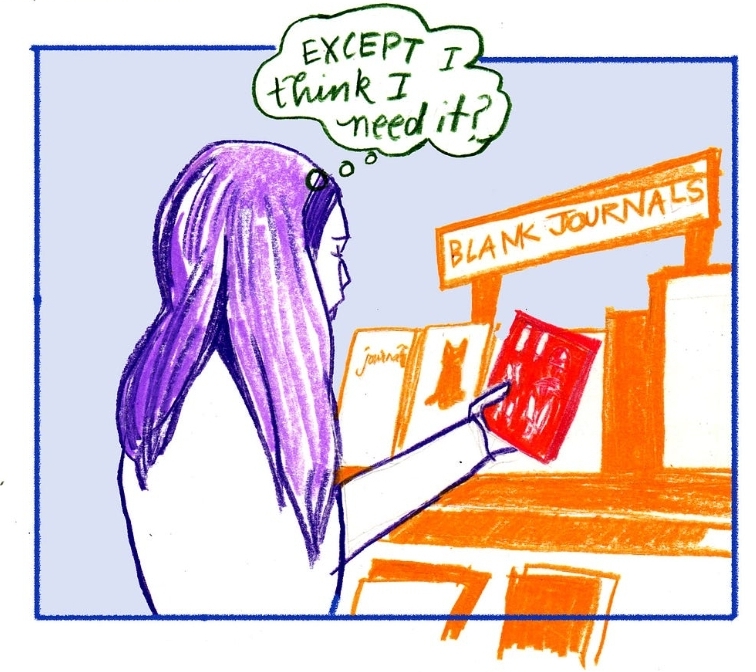
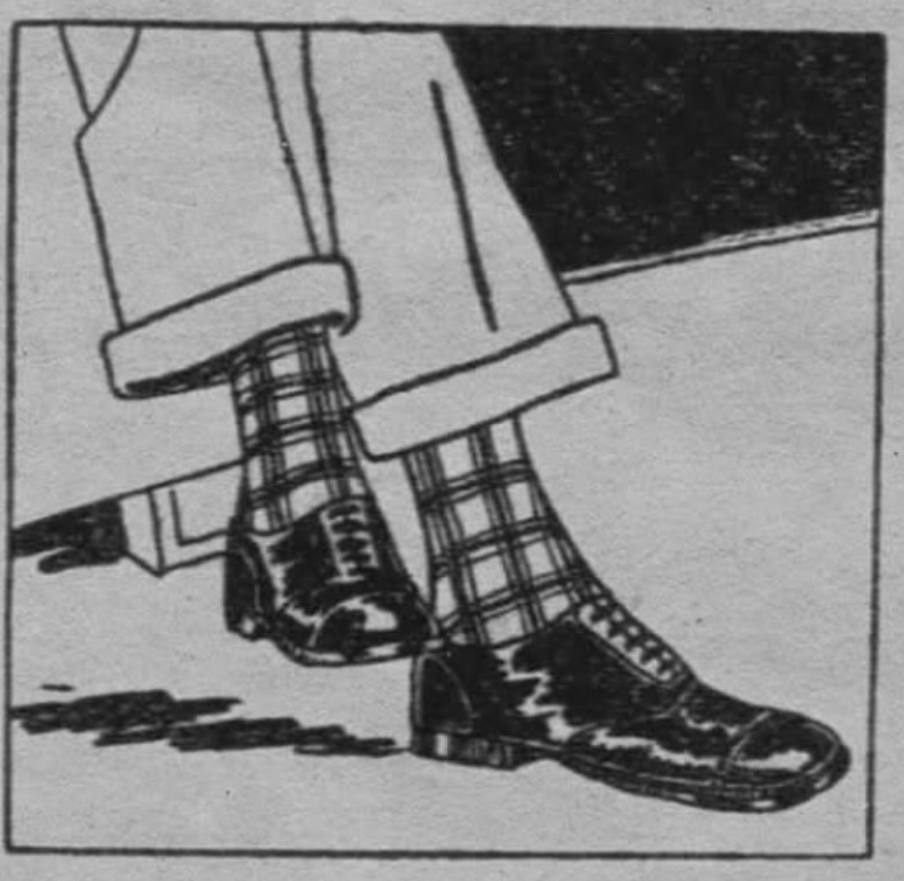
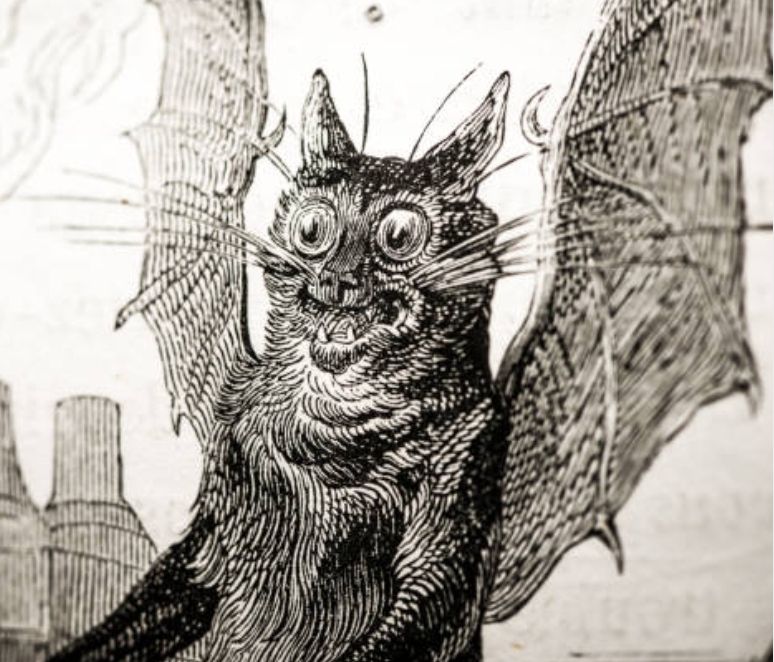


 Cantankerous Cockerel