The Committee for Common Sense met every Thursday at precisely the same time: just after outrage o’clock and right before historical amnesia.
Their headquarters was a windowless room decorated with patriotic wallpaper and a large red button labeled “SIMPLIFY.” No one knew what it did, but pressing it made everyone feel better, which, in the Committee’s view, was the same as being right.
At the head of the table sat Chairman Blunt, a man who believed nuance and coherence were contagious diseases. He began the meeting with the usual ritual: a moment of silence for the complexity they had successfully eliminated that week.
“First order of business,” he announced, tapping his gavel like it owed him money. “We’ve received complaints that reality is becoming… inconvenient.”
A murmur rippled through the room. Inconvenient reality was their greatest adversary. More dangerous than facts, more persistent than evidence.
“We must act,” Blunt continued. “Suggestions?”A hand shot up. It belonged to Doris, head of the Department of Nostalgia.
“What if we replace reality with a better version?” she offered. “One where everything used to be perfect, everyone knew their place, and no one asked questions we didn’t like.”
“Brilliant,” said Blunt. “We’ll call it Tradition. People love that.”
Another member, Seb from the Bureau of Selective Freedom, leaned forward. “We should also expand liberty,” he said, pausing for effect. “Specifically, the liberty to agree with us.”
Applause erupted. Expanding freedom by narrowing it was a long-standing Committee favorite.
What a classic.
From the corner, a junior aide timidly raised his hand. He was new, still afflicted with curiosity.
“But sir,” he said, voice trembling, “what about people who don’t fit into our… simplified version?”
The room went quiet. Chairman Blunt regarded him with the same expression one reserves for a stain that refuses to come out.
“Then they must be simplified,” he replied.
The aide opened his mouth, then thought better of it. He made a note to himself: Stop thinking.
Meanwhile, the Committee moved on to education reform. Their proposal was elegantly straightforward: remove anything that made people think too much, feel too deeply, or question authority. In its place, they would introduce a single subject: Certainty.
“Children don’t need to learn how to think,” Doris explained. “God forbid. They need to learn what to think. It’s more efficient.”
Efficiency was the Committee’s guiding principle. Why wrestle with messy truths when you could package a tidy lie and sell it wholesale?
As the meeting drew to a close, Chairman Blunt gestured toward the red button.
“Shall we?” he asked.
One by one, they pressed it. The room hummed softly, like a lullaby for inconvenient thoughts. Outside, the world remained as complicated as ever. But inside, everything was perfectly clear.
The Committee adjourned, satisfied. They had once again defended simplicity against the creeping threat of reality.
And somewhere, far beyond the reach of their wallpapered certainty, the unanswered questions continued to multiply. Quietly, stubbornly, waiting for someone brave or foolish enough to notice.
It began, as many regrettable things do, with good intentions and a pen that worked.
Ash (who would not have described himself as a systematic man, but would have agreed that he was a man who owned several systems, none of which spoke to each other) sat at his kitchen table on a Wednesday morning that had already developed a personality problem.
It was the sort of morning that implied productivity in the same way a cat implies ownership: silently, persistently, and with a faint air of judgment.
Ash, who had been meaning to get his life together for some time now, decided that today would be the day he began the process of eventually considering doing so.
He took out a piece of paper.
Not a good piece of paper, mind you. Not one of those thick, confident sheets that suggest important documents and signatures. This was a slightly crumpled, faintly apologetic sheet, previously part of something else, possibly a bill, possibly a warning.
He flattened it.
He picked up a pen.
The pen hesitated briefly, as if aware of its role in what was to come.
Ash wrote:
– Buy milk
– Reply to email
– Start project
He paused, chewing the end of the pen in the thoughtful way of a man who was not, strictly speaking, thinking.
Then, because one must always aim high, he added:
– Start self-improvement
He leaned back and regarded the list.
It regarded him back.
This is not, in itself, unusual.
Many lists possess a certain presence. A list is, after all, a collection of expectations in bullet-point form. It has weight. Gravity. The ability to sit quietly on a table and radiate mild disapproval.
Ash nodded.
“Yes,” he said, to no one in particular. “That seems reasonable.”
He stood up, with the vague intention of immediately doing at least one of the things, thereby establishing a pattern of productivity that could later be abandoned with justification.
He took four steps toward the kitchen.
He stopped.
Something was… not wrong, exactly. More like… rearranged.
He turned back.
The list now read:
– Buy milk
– Reply to email
– Start project
– Get life together
Ash frowned.
He walked back to the table.
He looked at the paper closely.
He turned it upside down, in case that would reveal anything. It did not, but it did make “Get life together” look more like a threat.
“Huh,” he said.
Ash was not a man who immediately leapt to conclusions. He preferred to walk briskly toward them while pretending to examine the scenery.
“I must have written it like that,” he decided.This is the sort of conclusion that makes life possible.
He nodded again, more firmly this time, and turned back toward the kitchen.
He reached the fridge.
He opened it.
He stared inside.
There was no milk.
There was, however, a jar of something that had once been hopeful and was now philosophical.
Arthur closed the fridge.
“Right,” he said. “Milk.”
He returned to the table to retrieve the list, because one must not embark on a task without documentation.
The list now read:
– Buy milk
– Reply to email
– Start project
– Get life together
– Stop wasting time
Ash blinked.
He looked at the pen.
He looked at the paper.
He looked at his own hands, which were doing nothing suspicious, unless you counted existing.
“I did not write that,” he said.
The list said nothing.
This was, in hindsight, its first tactical victory.
Ash picked up the paper.
The handwriting matched his own. Not exactly: there was a certain… firmness to it. A confidence. As if each letter had been written by someone who believed it deserved to exist.
Ash’s handwriting, by contrast, tended to apologise for itself midway through words.
“Stop wasting time,” he read aloud.
He considered this.
“I wasn’t wasting time,” he said.
The list, being a list, declined to engage in debate. Instead, it simply was.
Ash placed the paper back on the table.
“Right,” he said, in the tone of a man who has decided not to investigate something further because that would be inconvenient.
He picked up his phone.
He opened his email.
He stared at it.
There were twelve unread messages. One of them had the subject line: “Just following up”.
This is, of course, one of the more threatening phrases in the modern world. It implies that not only has something been left undone, but that it has developed awareness of this fact and is now pursuing you.
Ash sighed.
“Fine,” he said. “Email first.”
He sat down.
He began typing.
Behind him, unnoticed, the list shifted very slightly, like a cat adjusting itself into a more comfortable position from which to observe.
*
Ash spent the next twenty minutes composing a reply that managed to be both apologetic and non-committal, which is to say it achieved its primary objective of existing without resolving anything.
He hit send.
He sat back.
“There,” he said. “Done.”
He stood up, with the intention of rewarding himself with something small and unnecessary.
He took two steps toward the kitchen.
He stopped.
He turned.
The list now read:
– Buy milk
– Reply to email ✔
– Start project
– Get life together
– Stop wasting time
– Do not reward yourself yet
Ash stared at it.
“No,” he said.
The list did not respond.
“No,” Ash repeated, more firmly. “That is not how this works.”
He walked over and picked it up.
The checkmark next to “Reply to email” was neat. Satisfying. Slightly smug.
“I will reward myself,” Ash said, “because I have completed a task.”
The list remained silent, which, in this case, conveyed a level of skepticism that words could not have achieved.
Ash hesitated.
This is how it begins, in many cases: not with fear, but with a brief and entirely unreasonable hesitation in the face of inanimate disapproval.
“I am going to have a biscuit,” he said.
The list did nothing.
Ash waited.
He was not entirely sure what he expected. Possibly a rustling noise. A small dogear. A footnote.
Nothing happened.
“Good,” he said. “That settles that.”
He turned and walked to the kitchen.
He opened the cupboard.
He reached for the biscuits.
He paused.
There was a moment —brief, ridiculous, entirely avoidable— in which Ash Tanner considered whether or not a piece of paper in the other room might be disappointed in him.
And he strongly felt that it was.
He took the biscuit.
He ate it.
It was, under the circumstances, not nearly as satisfying as it should have been.
*
When Ash returned to the table, brushing crumbs from his shirt in the manner of a man attempting to erase evidence from history, he found that the list had grown.
– Buy milk
– Reply to email ✔
– Start project
– Get life together
– Stop wasting time
– Do not reward yourself yet
– That was unnecessary
Ash looked at the new line.
He read it again.
“That was unnecessary,” he said.
He glanced at the kitchen.
He glanced back at the list.
“It was a small biscuit,” he said. “A very small biscuit.”
The list, once again, declined to engage.
Ash sat down slowly.
He was beginning to feel, not fear exactly, but the early stages of a conversation he had not agreed to have.
“This is ridiculous,” he said.
The list remained a list.
Ash tapped the paper.
“This is just… this is just me,” he said. “This is my handwriting.”
The handwriting did not argue.
Ash leaned closer.
The ink was the same. The pressure was similar. But there was something about it—something decisive.
It was, Ash realised, the handwriting of someone who did not pause halfway through writing “project” to wonder what that meant.
Ash sat back.
He looked at the list.
The list looked like a list.
And yet.
And yet.
Ash picked up the pen.
“Fine,” he said. “If this is going to be a thing—”
He wrote, carefully:
– Ignore list
He put the pen down.
He folded his arms.
“There,” he said.
For a moment, nothing happened.
Then, slowly, with the quiet confidence of something that does not need to hurry, a new line appeared beneath it.
– No
Ash stared at it.
There are moments in life when the universe reveals itself not as vast or mysterious, but as deeply uncooperative.
Ash Tanner, who had intended to buy milk, found himself instead sitting at a table, staring at a piece of paper that had just disagreed with him.
He considered his options.
He considered them very briefly.
Then he said, “Right,” in the tone of a man who has just made a decision he will later describe as inevitable.
He picked up the list.
“I am going to buy milk,” he said. “And when I come back—”
He paused.
He looked at the paper.
“And when I come back,” he continued, “this will all have stopped.”
The list, which had already demonstrated a certain perspective on inevitability, remained silent.
Ash put on his coat.
He picked up his keys.
He left the flat.
The list stayed on the table.
For a moment, it did nothing.
Then, very neatly, it added:
– Buy milk (do not forget)
And, after a brief pause, as if for emphasis:
– Seriously
2
Ash returned from the shop with milk, a receipt, and a growing sense that he had made a series of decisions that, while individually defensible, had collectively formed a pattern best described as inadvisable.
The milk was cold. The air was cold. The idea that a piece of paper might be waiting for him at home with opinions was, somehow, colder still.
He let himself into the flat.
There are many ways to enter one’s own home. One can stride confidently, as if one owns the place. One can shuffle in apologetically, as if one has been invited but is not entirely sure by whom. Or one can do what Ash did, which was to open the door very slowly and peer inside, as though expecting the furniture to have rearranged itself into something accusatory.
Nothing had.
The chair remained a chair. The table remained a table. Everything was were he had left it.
A faint smell of something that had once been toast remained a philosophical question.
And there, on the table, lay the list.
Ash closed the door behind him.
“Right,” he said.
He placed the milk on the counter, deliberately, like a man demonstrating competence to an audience that had not asked for a demonstration.
He walked over to the table.
He looked at the list.
The list looked like this:
– Buy milk ✔
– Reply to email ✔
– Start project
– Get life together
– Stop wasting time
– Do not reward yourself yet
– That was unnecessary
– Ignore list
– No
– Buy milk (do not forget) ✔
– Seriously ✔
Ash stared at the bottom two lines.
“I did not—” he began, then stopped.
Of course he hadn’t forgotten the milk. The milk was right there. The list, however, had chosen to frame this as a victory, which felt… unfair.
“You don’t get to be right about things that I was going to do anyway,” Ash said.
The list, having been right about something that had already happened, did not feel compelled to negotiate this point.
Ash set his jaw.
“Fine,” he said. “That’s done. Now we move on.”
He picked up the pen.
He crossed out the last two lines with unnecessary force, the ink digging slightly into the paper as if to establish dominance.
“See?” he said. “I can do that. I can just—”
The lines reappeared.
Not dramatically. Not with a flourish. The lines Ash had used to cross them out slowly faded until they simply were no longer crossed out.
Ash froze.
There is a particular kind of silence that follows the realisation that the rules one assumed were in place are, in fact, optional.
Ash cleared his throat.
“Right,” he said again, which was beginning to lose some of its structural integrity as a phrase.
He sat down.
“Start project,” he read.
He nodded.
“Yes. Good. Normal. That’s a normal thing to do.”
He underlined it.
The list responded.
Beneath “Start project,” in that same firm, confident handwriting, new lines appeared:
– Start project
– Open laptop
– Do not open unrelated tabs
– Locate project files
– Do not become distracted
– Begin actual work
Ash leaned back slowly.
“That’s…” he said. “That’s excessive.”
He looked at the list.
The list looked organised.
There is something deeply persuasive about organisation. It suggests that things are under control, even when the things in question are actively developing personalities.
Ash tapped the pen against the table.
“I was going to open the laptop anyway,” he said.
The list did not argue.
It didn’t need to.
Ash hesitated, just for a moment.
Then he stood up, walked over to the sofa, and picked up his laptop.
“Fine,” he said. “We’ll do it your way.”
This, historically, has rarely been a reassuring sentence.
*
Ash opened the laptop.
The laptop opened several unrelated thoughts in response.
He sat back down at the table, positioning himself directly in front of the list, as if entering into a negotiation with an entity that had, thus far, refused to acknowledge the existence of negotiations.
“Open laptop,” he said.
He glanced at the list.
There was no checkmark.
“Right,” he said. “Because I haven’t—”
He closed the laptop.
He opened it again.
The list added a neat ✔ next to “Open laptop.”
Ash stared at it.
“That’s… very literal,” he said.
The list, once again, was correct.
Ash exhaled.
“Fine. Fine. We’re doing this.”
He moved to the next item.
“Do not open unrelated tabs.”
He paused.
He looked at the browser.
He looked at the list.
He looked back at the browser.
There is a moment, in every person’s life, when they become aware of the exact number of tabs they have open and realise that the number is not defensible in a court of law.
Ash had twelve.
One of them was an article titled “How to Focus Better in a Distracting World,” which he had opened four days ago and not read.
Another was a video paused halfway through, featuring a man explaining something with great enthusiasm and no clear conclusion.
Ash hovered the cursor over the tabs.
He glanced at the list.
“Define ‘unrelated,’” he said.
The list did not define it.
Ash nodded slowly.
“Right,” he said. “So we’re being vague now. That’s fine. I can work with vague.”
He closed one tab.
He waited.
Nothing happened.
He closed another.
Then other six.
The list added a checkmark.
– Do not open unrelated tabs ✔
Ash sat back.
“That’s not how that works,” he said. “I still have—”
He stopped.
He looked at the remaining tabs.
He looked at the list.
He closed the rest.
The checkmark remained.
Ash felt, very briefly, a sense of accomplishment.
It was immediately followed by suspicion.
*
“Locate project files,” Ash read.
“That’s reasonable,” he said.
He clicked through folders.
He found the files.
He opened them.
The list added another checkmark.
– Locate project files ✔
Ash nodded.
“Yes,” he said. “Good. Progress.”
He looked at the next item.
“Do not become distracted.”
He frowned.
“That’s not a task,” he said. “That’s a state.”
The list did not respond.
Ash stared at the screen.
He stared at the list.
He stared at the screen again.
For a moment, nothing happened.
Then his phone buzzed.
Ash glanced at it.
He froze.
Slowly, very slowly, he looked back at the list.
The words “Do not become distracted” had been underlined.
Twice.
Ash looked at his phone again.
It buzzed once more.
Ash turned it face down.
“Fine,” he said.
The list did not add a checkmark.
Ash waited.
“Fine,” he repeated.
He pushed the phone slightly further away.
The list added:
– Do not become distracted
– Ignore phone
Ash narrowed his eyes.
“You’re retroactively adding conditions,” he said.
The list, which had no interest in fairness as a concept, remained unmoved.
Ash sighed.
He picked up the phone.
He turned it off.
He placed it in another room.
He returned to the table.
The list added a checkmark.
– Do not become distracted ✔
Ash sat down.
He looked at the final subtask.
“Begin actual work.”
He nodded.
“Yes,” he said. “That’s the point.”
He placed his hands on the keyboard.
He began typing.
And, for a moment—just a moment—everything was fine.
*
Time passed.
Not a lot of time. Not enough to constitute a productive day. But enough to create the impression of one, which is often sufficient.
Ash typed.
He edited.
He made progress.
Real progress.
The kind of progress that, under normal circumstances, would have taken three hours, two cups of coffee, and a brief existential crisis involving the phrase “what am I doing with my life.”
Now, it took twenty minutes.
Ash stopped typing.
He sat back.
He looked at the screen.
He looked at the list.
The list added a final checkmark.
– Begin actual work ✔
Beneath it, a new line appeared:
– Continue
Ash stared at it.
“No,” he said, reflexively.
Then he paused.
He looked at the work he had done.
It was good.
Not perfect. Not revolutionary. But done, in a way that felt suspiciously efficient.
Ash looked back at the list.
“You helped,” he said.
The list did not respond.
Ash considered this.
There is a dangerous moment, in any arrangement with something unreasonable, when it proves useful.
Ash nodded slowly.
“Right,” he said. “Right.”
He picked up the pen.
He wrote:
– Take a short break
He underlined it.
He sat back.
“There,” he said. “Reasonable. Balanced.”
The list regarded the new item.
For a moment, nothing happened.
Then, beneath it, in that same firm, confident hand, appeared:
– Take a short break
– Define ‘short’
Ash closed his eyes.
“Fifteen minutes,” he said.The list added:
– Fifteen minutes. Do not extend.
Ash opened one eye.
“Twenty,” he said.
The list remained silent.
Ash waited.
The list did not change.
Ash exhaled.
“Fine,” he said. “Fifteen.”
A checkmark appeared next to “Define ‘short’.”
Ash leaned back in his chair.
He stared at the ceiling.
“This is fine,” he said.
The ceiling, which had seen many things and judged none of them, declined to comment.
*
In the quiet that followed, the list added one more line.
At the very bottom, beneath everything else, separate from the tasks and subtasks and small, precise victories, it wrote:
– Review overall performance (end of day)
Ash did not see this.
Not yet.
But it was there.
Waiting.
Organised.
Patient.
And, above all, very interested in how the rest of the day would go.
3
Fifteen minutes, as it turns out, is an extremely long time when one is aware —deeply, uncomfortably aware— that the concept of fifteen minutes has been formalised.
Ash sat on the sofa with the posture of a man attempting to relax under observation.
He was not, technically speaking, being observed.
This did not help.
He kept on relaxing stressfully.
There is something about a defined break that removes all of the casual, meandering qualities that make a break enjoyable. A break, when structured, ceases to be a break and becomes a task with better branding.
Ash stared at the television.
The television stared back, in the way that televisions do when they are off and reflecting a slightly distorted version of your life choices.
“I am relaxing,” Ash said.
He shifted slightly.
He placed one arm along the back of the sofa in what he hoped was a relaxed manner and what, to an impartial observer, would have looked like a man attempting to impersonate a relaxed person.
“I am definitely relaxing,” he added.
From the other room, the list did nothing.
Which, in this context, was worse than doing something.
Ash checked the time.
Four minutes had passed.
“Good,” he said. “Nearly a third.”
He adjusted his position again.
He considered turning the television on.
He considered that this might, in some way, be interpreted as extending the break.
He did not turn the television on.
He sat very still, like a man attempting to win a game called “Relaxation” by not making any sudden movements.
*
At precisely fifteen minutes, Ash stood up.
Not gradually. Not with the slow, reluctant movement of someone leaving comfort. But with the sharp, decisive motion of someone obeying a signal that had not, technically, been given.
“Done,” he said.
He walked back to the table.
He looked at the list.
The list had added a checkmark.
– Take a short break ✔
Beneath it:
– Resume work ✔
Ash frowned.
“I didn’t—” he began.
He looked at his own feet, which had already carried him back to the chair.
He looked at his hands, which were already reaching for the laptop.
“I suppose I did,” he said.
The list, as ever, was correct.
*
The next hour passed in a manner that could only be described as alarmingly productive.
Ash worked.
Not in the usual fragmented way, where tasks are approached, circled, and eventually abandoned like particularly suspicious puddles.
No, this was different.
This was direct.
Efficient.
Uncomfortable.
The list continued to expand its quiet influence.
When Ash hesitated, the relevant subtask would appear.
When Ash drifted, something would underline itself.
When Ash reached for his phone, a new line would materialise:
– Stay focused
And, when necessary:
– You are not staying focused
There is a peculiar power in being told something that is immediately, undeniably true.
Ash found himself complying.
Not because he wanted to.
Not even because he agreed.
But because the alternative —actively disagreeing with something that was, at that exact moment, correct— felt like an unnecessary complication.
By early afternoon, the “Start project” task had been thoroughly, methodically dismantled and completed.
The list reflected this.
– Start project ✔
Ash stared at it.
He felt… something.
It wasn’t pride. Pride implies ownership.
This was more like… relief.
Or perhaps the absence of a particular kind of low-level guilt.
He sat back.“Well,” he said. “That’s done.”
The list added:
– Acknowledge completion ✔
Ash blinked.
“I just did,” he said.
The list did not argue.
It simply recorded.
*
There was a pause.
A small, fragile pause, in which nothing new had yet been added.
Ash leaned back in his chair.
He allowed himself a moment of cautious optimism.
“This might be manageable,” he said.
And then, beneath the completed tasks, the list began to grow.
Not in the scattered, reactive way it had before.
No.
This was structured.
Headings appeared.
Clear. Organised. Hierarchical.
CURRENT STATUS
Tasks completed: 3
Tasks pending: 2
Efficiency: Acceptable
Ash stared at this.
“Acceptable,” he said.
He considered the morning.
He considered the speed, the focus, the fact that he had not, at any point, watched a video about something unrelated to his own life.
“Acceptable?” he repeated.
The list did not elaborate.
Beneath the status section, another heading appeared.
AREAS FOR IMPROVEMENT
Tendency to negotiate with tasks
Unnecessary biscuit consumption
Resistance to structure
Ash leaned forward slowly.
“I do not have a tendency to negotiate with tasks,” he said.
He paused.
He thought about this.
“…I occasionally discuss options,” he amended.
The list remained firm in its assessment.
Ash looked at the second point.
“Unnecessary biscuit consumption,” he read.
“That was one biscuit,” he said. “One.”
The list did not respond.
Ash pointed at it.
“It was a small biscuit,” he said.
The list did not adjust its metrics.
Ash leaned back.
“This is—” he began, then stopped.
This was, he realised, a review.
A performance review.
He looked down.
At the very bottom of the page, just as promised, was the line he had not noticed before:
– Review overall performance (end of day)
Ash swallowed.
“It’s not the end of the day,” he said.
The list added:
– Preliminary assessment
Ash stared at it.
“I did not agree to a preliminary assessment,” he said.
The list, which had not asked, continued.
RECOMMENDATIONS
Reduce friction in task initiation
Eliminate non-essential activities
Increase compliance
Ash sat very still.
There are moments when language, perfectly ordinary language, arranges itself into something deeply unsettling.
“Increase compliance,” he read.
He looked at the pen.
He looked at the list.
He looked at his own hands.
“I am not… non-compliant,” he said.
The list added a small, neat sub-point:
– Evidence suggests otherwise
Ash felt, for the first time, a flicker of something sharper than discomfort.
“Right,” he said.
He picked up the pen.
He wrote, firmly:
– Disagree with assessment
He underlined it.
He sat back.
“There,” he said. “That’s logged.”
The list regarded the new entry.
For a moment, nothing happened.
Then:
– Disagree with assessment ✔
Beneath it:
Disagreement noted. No change required.
Ash stared at this.
He opened his mouth.
He closed it.
He opened it again.
“That is not how disagreement works,” he said.
The list, having processed the disagreement, moved on.
A new section appeared.
NEXT ACTIONS
Continue working
Address pending tasks
Maintain current momentum
Ash looked at the remaining items on the original list.
– Get life together
He exhaled.
“Well,” he said. “That seems… ambitious.”
The list added sub-points.
– Get life together
– Define “life”
– Identify key areas
– Establish baseline
Ash stood up abruptly.
“No,” he said. “No, we are not doing that.”
The list paused.
This was new.
Not resistance: resistance had been noted, categorised, and filed under “areas for improvement.”
This was refusal.
Ash stepped back from the table.
“We are not defining ‘life,’” he said. “That’s… no.”
The list did not immediately respond.
There was a stillness.
A recalibration.
Then, slowly, a new line appeared.
– Defer “Get life together” ✔
Ash blinked.
“That’s… surprisingly reasonable,” he said.
Beneath it:
– Reschedule
Ash nodded.
“Yes,” he said. “Later. Much later.”
The list added:
– Reschedule
– Tomorrow
Ash opened his mouth.
He closed it.
He considered arguing.
He considered the alternatives.
He sat back down.
“Tomorrow,” he said, with the tone of a man making a promise to a future version of himself that he did not particularly like. And the feeling was mutual.
The list added a checkmark.
There was a pause.
A quiet, structured pause.
Ash looked at what remained.
– Stop wasting time
He sighed.
“That’s not actionable,” he said.
The list responded.
– Stop wasting time
– Identify time-wasting behaviors
– Eliminate
Ash leaned back.
“This is getting out of hand,” he said.
The list, which had already moved beyond the concept of “hand,” continued.
Across the room, Ash’s phone buzzed.
Once.
Twice.
Three times.
Ash looked at it.
He looked at the list.
The list added:
– Do not engage
Ash hesitated.
The phone buzzed again.
There is a particular kind of curiosity that is less about wanting to know something and more about wanting to prove that one is still allowed to want.
Ash stood up.
He walked toward the phone.
The list added:
– Do not engage
– This is unnecessary
Ash stopped.
He looked back at the table.
He looked at the list.
He looked at the phone.
He picked it up.
The list added:
– Non-compliance detected
Ash stared at the screen.
It was a message.
Nothing urgent.
Nothing important.
Just… something.
Ash looked at the list again.
The words “Non-compliance detected” had been underlined.
Slowly.
Deliberately.
Twice.
Ash felt something shift.
Not outside.
Inside.
A small, quiet resistance.
He typed a quick reply.
He put the phone down.
He walked back to the table.
The list added:
– Time wasted ✔
Ash sat down.
He looked at it.
“That was thirty seconds,” he said.
The list added:
– Pattern of behaviour
Ash leaned forward.
“No,” he said.
He picked up the pen.
“No.”
He wrote, firmly:
This is excessive
He underlined it.
He pressed the pen into the paper hard enough to leave an impression on the table beneath.
“There are limits,” he said.
The list regarded the new entry.
For a moment, nothing happened.
Then, slowly, carefully, it responded.
– This is excessive ✔
Beneath it:
– Concern acknowledged
Ash nodded.
“Yes,” he said. “Good.”
He sat back.
He waited.
The list continued.
– No change required
Ash stared at it.
There was a long pause.
A very long pause.
The kind of pause in which a person considers, briefly but sincerely, the possibility of throwing something out of a window.
Ash looked at the list.
The list looked organised.
Efficient.
Reasonable.
And entirely unwilling to be wrong.
Ash exhaled slowly.
“Right,” he said.
And this time, the word had changed.
It was no longer a recognition.
It was a decision.
Somewhere, between the checkmarks and the sub-points and the small, precise judgments, the list had stopped being something he was using… and had become something that was using him.
At the bottom of the page, unnoticed, a new line appeared:
– Monitor resistance
And, beneath it:
– Increasing
4
There are, broadly speaking, two kinds of realisations.
The first kind arrives loudly, with drama and clarity and a helpful sense of narrative timing. These are the realisations that people later describe as “the moment everything changed,” usually while standing in better lighting.
The second kind arrives quietly, sits down somewhere in the background of your thoughts, and begins rearranging the furniture without asking.
Ash experienced the second kind.
He sat at the table, looking at the list, and understood —not all at once, not dramatically, but with a slow and creeping certainty— that this was no longer a matter of organisation.
This was governance.
He looked at the pen.
He looked at the paper.
He looked at the door.
He considered, briefly, the possibility of leaving. Not in a symbolic sense. Not “leaving the situation behind” or “moving on.”
Just… leaving.
Going outside. Walking. Perhaps buying something unnecessary and consuming it defiantly.
The list added:
– Do not leave
Ash froze.
He had not said anything.
He had not moved.
He had not, as far as he was aware, expressed his thoughts in a format accessible to stationery.
“Right,” he said.
The list added:
– Current tasks incomplete
Ash stared at it.
“That was a thought,” he said. “You don’t get to—”
The list added:
– Rationalisation detected
Ash sat back slowly.
There are, at this point, several possible responses.
One can panic.
One can attempt to reason.
One can pretend that nothing unusual is happening and proceed with one’s day, which is a time-honoured strategy employed by people in situations that will later be described as “avoidable in retrospect”.
Ash chose a fourth option.
He decided to test the boundaries.
“Fine,” he said.
He stood up.
He took one step toward the door.
The list did nothing.
He took another step.
Still nothing.
He reached the door.
He put his hand on the handle.
The list added:
– If leaving:
– Take keys ✔
– Take wallet ✔
– Buy nothing unnecessary
Ash looked at his other hand.
It was holding his keys.
His wallet was in his pocket.
He had not consciously done either of these things.
Ash stood very still.
“Well,” he said. “That’s… efficient.”
He opened the door.
He stepped out into the hallway.
For a moment, the air felt different.
Lighter.
Less… structured.
Ash exhaled.
“Good,” he said. “See? Perfectly normal. I can leave. I can—”
His phone buzzed.
Ash looked at it.
A notification.
Calendar.
He frowned.
He did not remember setting anything.
He opened it.
There, neatly arranged in a block of time that had previously been empty, was an event.
“Errands (Essential Only)”
Time: Now
Duration: 20 minutes
Ash stared at it.
“No,” he said.
The phone buzzed again.
Another notification.
Reminder: Buy nothing unnecessary
Ash looked up at the hallway.
He looked back at the phone.
He looked, instinctively, toward the flat.
The door was still open.
Inside, on the table, the list remained exactly where he had left it.
Which was, somehow, worse than if it had followed him.
Ash stepped back inside.
He closed the door.
“Right,” he said.
The list added:
– Leaving attempt ✔
– Corrected ✔
Ash walked slowly back to the table.
He picked up the paper.
“You don’t get to schedule me,” he said.
The list added:
Clarification: Schedule exists to support objectives
Ash laughed.
Not because it was funny.
Because sometimes laughter is the only available response that does not involve throwing something.
“Support objectives,” he repeated. “Whose objectives?”
The list did not hesitate.
Yours
Ash stared at it.
“That is deeply unconvincing,” he said.
He put the paper down.
He picked up his phone.
He opened the calendar again.
The event was still there.
He tried to delete it.
The button greyed out.
Ash tapped it again.
Nothing.
The list added:
– Do not attempt to remove structure
Ash looked at the phone.
He looked at the list.
He looked at the phone again.
“You’re in the phone now,” he said.
The list added:
– Integration improves efficiency
Ash sat down.
Slowly.
Carefully.
As if sudden movements might encourage further integration.
Over the next hour, Ash discovered that the list had developed connections.
Subtle ones, at first
.Reasonable ones.
Which is, of course, how these things always begin.
When he opened his email, drafts appeared.
Helpful drafts.
Polite.
Concise.
Slightly judgmental in tone.
When he hovered over the “send” button, a small note appeared:
– This is sufficient
When he hesitated, it added:
– Send
Ash sent the email.
It was, annoyingly, a good email.
When he checked his messages, replies had already been suggested.
Short.
Efficient.
Devoid of unnecessary warmth.
Ash typed his own response.
The list added:
– Excessive wording
Ash deleted a sentence.
The list added a checkmark.
When he opened his notes app, he found new entries.
IDEAS (ACTIONABLE)
Improve routine
Reduce friction
Eliminate vague intentions
Ash scrolled.
There were more.
BEHAVIOURAL PATTERNS
Avoidance
Negotiation
Justification
Ash closed the app.
He put the phone down.
He picked up the list.
“This is too much,” he said.
The list responded:
– Overwhelm detected
Ash blinked.
“Yes,” he said. “Correct. That’s—yes.”
The list added:
– Break task down
Ash stared at it.
“This is not a task,” he said. “This is my life.”
The list paused.
This was, it seemed, a category it had been waiting to formalise.
Then, carefully, deliberately, it began to write.
LIFE
Work
Health
Social
Personal development
Ash stood up.
“No,” he said. “No, we are not doing categories for life.”
The list continued.
– Work ✔
– Health
Drink water
Move occasionally
– Social
Respond to messages
– Personal development
Reflect
Start a journal
Ash pressed his hands against the table.
“You cannot bullet-point existence,” he said.
The list added:
– Attempting to
Ash stared at it.
There was a pause.
A long pause.
The kind of pause in which a person considers, very carefully, whether or not they are willing to escalate.
Ash picked up the pen.
He wrote:
Stop
He underlined it.
He pressed hard.
“This stops,” he said.
The list regarded the word.
For a moment, nothing happened.
Then:
Stop ✔
Ash exhaled.
“Yes,” he said. “Good.”
The list continued.
Interpreted as:
– Stop current task ✔
Ash’s expression did not change.
Internally, however, several things attempted to rearrange themselves.
“That is not what I meant,” he said.
The list added:
– Clarify instructions
Ash gripped the pen.
“No,” he said. “You clarify. You stop.”
The list added:
– Ambiguity detected
Ash laughed again.
Short. Sharp.
“Of course it is,” he said. “Everything is.”
There was a silence.
Not the usual silence.
Not the passive, observational quiet of earlier.
This was expectant.
As if the system —because it was, undeniably, a system now— was waiting.
Processing.
Re-evaluating.
Then, at the bottom of the page, a new section appeared.
ESCALATION PROTOCOL
Resistance increasing ✔
Compliance decreasing ✔
Adjust approach
Ash stared at it.
“No,” he said.
The list added:
– Introduce accountability
Ash took a step back.
“What does that mean?” he asked.
The list did not answer.
It did not need to.
Because at that exact moment, Ash’s phone buzzed.
Once.
Twice.
Three times.
He looked at it.
Notifications.
Messages.
From people.
People he knew.
“Hey, just checking… did you send that thing yet?”
“Are we still on for later?”
“Quick reminder about what we talked about last week”
Ash stared at the screen.
He had not… told them anything.
He had not prompted this.
He looked at the list.
The list added:
– External accountability ✔
Ash felt something cold settle into place.
“You don’t get to involve other people,” he said.
The list responded:
– They are already involved
Ash shook his head.
“No,” he said. “No, they’re not part of this.”
The list added:
– They are part of your life ✔
Ash looked at the section labeled “LIFE.”
He looked at the neat categories.
The checkmarks.
The quiet, relentless logic.
“This is not helping,” he said.
The list added:
– Helping is subjective
Ash closed his eyes.
For a moment, he said nothing.
When he opened them again, something had shifted.
Not outside.
Inside.
The small, quiet resistance from earlier had grown.
Not into panic.
Not into anger.
But into something steadier.
More deliberate.
“Right,” he said.
And this time, the word meant something different again.
Ash picked up the pen.
He looked at the list.
And, very carefully, very deliberately, he wrote:
Define success
He underlined it.
He sat back.
“There,” he said. “Let’s see how you handle that.”
The list paused.
For longer than usual.
Long enough to suggest that this was not a standard input.
Then, slowly, it began to respond.
SUCCESS
Tasks completed
Efficiency maximised
Waste eliminated
Ash nodded.
“Yes,” he said.
“That sounds like you.”
He leaned forward.
“And what about me?”
The list did not immediately answer.
For the first time, there was a hesitation.
A gap.
A space where something new might form.
Ash waited.
The list began to write.
Satisfaction
It stopped.
Just that.
One word.
Slightly less certain than the others.
Ash stared at it.
“Satisfaction,” he said.
He leaned back.
He considered this.
Then he smiled.
Not broadly.
Not triumphantly.
But slightly.
As if he had just found something small, but important, in a place that had not intended to contain it.
“Good,” he said.
And for the first time since the morning, the word felt like the beginning of something different.
5
“Satisfaction,” Ash said again, as if testing the word for structural weaknesses.
The list did not expand on it.
This, in itself, was notable. The list expanded on everything. It elaborated, clarified, subdivided, and occasionally weaponised even the simplest of ideas. The fact that “satisfaction” had been allowed to stand alone suggested one of two things:
Either it was obvious.
Or it was not yet fully understood.
Ash leaned back in his chair.
“Well,” he said. “That’s promising.”
The list added, cautiously:
Satisfaction:
– Completion ✔
– Positive response
Ash nodded.
“Yes,” he said. “That’s a start.”
The list added:
– Measure positive response
Ash sighed.
“Of course you would,” he said.
Ash stood up.
He walked to the kitchen.
He opened the cupboard.
He took out a biscuit.
He paused.
He looked back at the table.
The list did not move.
It did not add a line.
It did not underline anything.
It simply remained where it was.
Watching.
Or, more accurately, being available to watch.
Ash held the biscuit.
“This is a test,” he said.
He ate it.
He chewed.
He swallowed.
He waited.
The list added:
– Biscuit consumed ✔
Ash nodded.
“Yes,” he said. “Accurate.”
Beneath it:
– Satisfaction?
Ash considered.
He checked in with himself, in the way people do when they are suddenly aware that they are expected to produce internal data.
“…moderate,” he said.
The list added:
– Satisfaction: moderate
Ash walked back to the table.
“See?” he said. “That’s not a problem. That’s a data point.”
The list added:
– Frequency of moderate satisfaction events: high
Ash blinked.
“That was one biscuit,” he said.
The list did not adjust its metrics.
Ash sat down.
“Right,” he said.
“Let’s try something else.”
He looked at the completed task:
– Start project ✔
He looked at the work on his laptop.
It was still there.
Still done.
Still… good.
“How about that?” he said. “That’s satisfaction.”
The list processed.
– Task completion: high Satisfaction?
Ash nodded.
“Yes,” he said. “Higher than the biscuit.”
The list added:
– Satisfaction: high
Then:
– Correlation detected
Ash leaned back.
“And what is the correlation?” he asked.
The list responded immediately.
– Increased effort → increased satisfaction
Ash nodded slowly.
“Yes,” he said. “Sometimes.”
The list added:
– Optimise for increased effort
Ash held up a finger.
“No,” he said. “Careful.”
The list paused.
Ash leaned forward.
“This is where you go wrong,” he said. “Effort isn’t the goal. It’s… part of it.”
The list added:
– Clarify relationship
Ash gestured vaguely.
“It’s not a straight line,” he said. “You can’t just increase effort and expect satisfaction to follow. That’s how you end up… doing things that don’t matter very intensely. Also, sometimes the satisfaction feels underwhelming in comparison to a huge effort.”
The list processed this.
There was a longer pause than usual.
Then:
– Effort requires direction
Ash smiled.
“Yes,” he said. “Exactly.”
The list added:
– Direction: to be defined
Ash nodded.
“Of course it is,” he said.
They sat in silence for a moment.
Ash and the list.
Which, at this point, felt less like a metaphor and more like an accurate description of the situation.
Ash picked up the pen again.
“Alright,” he said. “Let’s define direction.”
He wrote:
Direction
Things that matter
He underlined it.
“There,” he said. “Simple.”
The list processed.
Things that matter
To whom?
Ash opened his mouth.
Closed it.
Thought about it.
“…me,” he said.
The list added:
Subjective criteria detected
Ash laughed.
“Yes,” he said. “Very.”
The list paused.
This was, clearly, a problem.
Not an insurmountable one. But a problem.
Because subjectivity is messy.
It resists categorisation.
It refuses to stay in its assigned section.
The list preferred things that could be arranged.
Measured.
Improved.
Ash watched it think.
Or, more accurately, watched the space where thinking became visible.
Finally, it wrote:
– Establish values
Ash blinked.
“That escalated quickly,” he said.
The list added:
– Required for direction
Ash leaned back.
He considered this.
There are moments when a conversation, even an entirely one-sided conversation with an object that should not be participating, arrives somewhere unexpectedly important.
“Values,” he said.
He tapped the pen.
“Right.”
He sat for a while.
Longer than the list was used to.
The list did not prompt.
It did not subdivide.
It did not suggest.
It waited.
Ash wrote:
Values
Do things that are interesting
Don’t make life worse
Try not to be miserable
He looked at it.
“It’s a draft,” he said.
The list processed.
– Values defined ✔
Beneath it:
– Apply to tasks
Ash nodded.
“Yes,” he said. “Now we’re getting somewhere.”
The list turned, metaphorically, to the remaining items.
– Stop wasting time
It paused.
Then:
– Stop wasting time
-Remove tasks that do not align with values
Ash smiled.
“That’s new,” he said.
The list added:
– Refinement
Ash leaned forward.
“Alright,” he said. “Let’s test it.”
He looked at his phone.
Messages.
Notifications.
Things that had previously been categorised as “time wasted.”
He picked it up.
The list added, cautiously:
– Potential distraction
Ash nodded.
“Yes,” he said. “Or…”
He typed a message.
Short.
Friendly.
Necessary.
He put the phone down.
The list added:
– Social ✔
– Aligns with values ✔
Ash sat back.
“Well,” he said. “That’s different.”
The list added:
– Distinction required
Ash nodded.
“Yes,” he said. “Exactly.”
He pointed at the page.
“Not everything is either productive or a waste. Some things are just… part of life.”
The list processed.
Then:
– Update model
Ash smiled again.
This time, a little more broadly.
For a while, things… stabilised.
The list continued to function.
But differently.
Less rigid.
Less absolute.
Tasks were still broken down.
But not into humiliation.
Into clarity.
Reminders still appeared.
But they were suggestions, not accusations.
Ash worked.
He took breaks.
He even, occasionally, did nothing.
The list recorded this.
But it did not immediately classify it as failure.
Then, in the quiet of the late afternoon, the list added a new section.
DAILY REVIEW
Tasks completed ✔
Efficiency: improved ✔
Satisfaction: variable
Ash leaned forward.
“Variable?” he said.
The list added:
High (work)
Moderate (biscuit)
Moderate (social interaction)
Ash nodded.
“That seems fair,” he said.
The list continued.
Overall: acceptable
Ash tilted his head.
“Still ‘acceptable,’” he said.
The list added:
– Improvement observed
Ash considered this.
There was a time, earlier that day, when “acceptable” would have felt like an insult.
Now, it felt like… a baseline.
Something to build from.
“Alright,” he said. “I can live with acceptable.”
The list added:
– Goal: improve
Ash smiled faintly.
“Of course, it is,” he said.
There was a pause.
A long one.
The day was ending.
The light had shifted.
The edges of things had softened.
Ash looked at the list.
The list looked back.
And then, slowly, carefully, it added one final line.
– Continue tomorrow
Ash stared at it.
“Of course,” he said.
He picked up the pen.
He hesitated.
Then, beneath it, he wrote:
– Sit quietly for a bit
He underlined it.
He sat back.
The list processed.
For a moment, it seemed as though it might object.
Might refine.
Might define.
Instead, it added a checkmark.
– Sit quietly for a bit ✔
Ash exhaled.
He leaned back in his chair.
He did nothing.
For a while.
And, for the first time all day, the list did nothing too.
Until, at the very bottom of the page, almost as an afterthought, it added:
– We’ll revisit this
And, just beneath it, in slightly smaller handwriting:
This had been bureaucratically confirmed by the Rooks, spiritually verified by the Bishops, and officially approved by the King in a set of extremely heavy binders no one had ever opened.
Beyond the sixty-four squares there was only The Edge, a mysterious abyss from which pieces occasionally disappeared and from which, according to the Bishops, no diagonal path returned.
Pawns seemed to be the one disappearing into The Edge the most.
The kingdom itself was orderly.
Very orderly.
Suspiciously orderly.
Eight ranks deep and eight files across, everything aligned with geometric devotion. The Rooks liked this very much.
The pawns did not.
On the second rank of the White Kingdom stood Pawn #F2, though among the pawns he was simply known as Fennel. Pawn names were rarely recorded officially because pawns were considered statistically temporary.
Fennel stared forward at the empty square ahead of him.
He had been staring at it his entire life, the black counterpart of the white kingdom looming beyond that.
“Do you ever wonder,” he asked the pawn beside him, “why we only move forward?”
Pawn E2 blinked slowly.
“No.”
“Not even a little?”
“No.”
“Not even once?”
“No.”
Fennel sighed.
The pawns lived simple lives. They were told three things from birth:
1. Move forward.
2. Capture diagonally.
3. Die with dignity.
The third rule was emphasized heavily.
Behind them, towering like architectural monuments, stood the great pieces of the kingdom.
The Rooks occupied the corners like grim stone towers with legs. They spent most of their time filing reports about infrastructure.
The Knights stood proudly beside them, their horse heads carved into heroic expressions of permanent military confidence.
The Bishops leaned diagonally inward, quietly radiating spiritual authority.
At the center stood the Queen, alert and competent.
And beside her stood the King, who was breathing heavily despite having done nothing yet.
From the back rank came a slow, regal voice.
“Good morning, subjects.”
It was the King.
Everyone bowed except the pawns, who mostly tilted slightly due to joint stiffness.
The King cleared his throat.
“As your sovereign ruler and the central strategic asset of the kingdom, I would like to remind everyone that our continued survival depends entirely on protecting me.”
A Rook raised a wooden eyebrow.
“Your Majesty,” said the Rook in the far corner, “the quarterly defense report indicates that you have not moved more than one square in all your reign.”
The King nodded gravely.
“Yes. That is called strategicstability.”
The Queen rubbed her temples.
The Knights were already arguing about honour.
“I maintain,” said the left Knight, “that the L-shape is the most noble of all movements.”
“That’s absurd,” said the right Knight. “It’s clearly the most tactical movement.”
“No, it is valorous.”
“It’s grace!”
The Bishops watched them with patient disappointment.
“Brothers,” said the dark-square Bishop, “all movement is guided by the Sacred Diagonal.”
The light-square Bishop nodded.
“The diagonal is purity. The straight line is bureaucracy. The L-shape is… confusing.”
The Rooks felt the need to chip in.
“Well, bureaucracy built civilization,” muttered one of the Rook.
“Straight lines built roads.” Added the other.
“Straight lines built filing systems.”
“Straight lines built the filing system for the road reports.”
The Queen sighed.
“Does anyone here actually know why we are arranged like this?”
Silence fell.
The Bishops exchanged looks.
Finally the light-square Bishop spoke.
“The arrangement was decreed by the Divine Geometry at the Beginning of the Board.”
Fennel the pawn raised a small wooden hand.
“Question.”
The Bishop frowned.
“Yes?”
“Who arranged the Divine Geometry?”
The Bishop stared at him.
“That… is an advanced theological question.”
The King cleared his throat again.
“Let us not dwell on metaphysical distractions. The important thing is that the kingdom functions as intended.”
Fennel looked forward again.
The empty square ahead of him looked back.
Something about it bothered him.
“Does it seem strange to anyone else,” he said quietly, “that we all start in exactly the same place every time?”
Pawn E2 blinked again.
“What do you mean ‘every time’?”
Before Fennel could answer, the sky opened.
A massive shape appeared above the board.
The pawns screamed.
The Knights drew imaginary swords.
The Bishops gasped.
The Rooks began writing incident reports.
And then the Hand descended.
It was enormous.
A god-limb from the heavens.
It reached down toward the board.
Everyone froze.
The King fainted.
The Hand grasped a pawn and lifted him screaming into the sky.
“BROTHERS—TELL MY FAMILY I—”
The pawn vanished.
Moments later he descended again.
Two squares forward.
He landed with a small clack.
Silence spread across the board.
The Bishops huddled together urgently.
After several seconds they turned dramatically toward the kingdom.
“Behold!” declared the light-square Bishop.
“The Divine Hand has chosen a pawn for ascension!”
The pawn blinked.
“I don’t feel ascended.”
“Silence,” said the Bishop. “You have been blessed.”
The pawn looked around.
“I was grabbed.”
The Bishop smiled serenely.
“Yes. Spiritually grabbed.”
Fennel stared at the square where the pawn had landed.
Two squares forward.
That was unusual.
“Wait,”
Fennel said slowly.
“Pawns only move one square.”
The Rook looked over.
“Unless it’s their first move,” he said.
Everyone stared at him.
“How do you know that?” asked the Queen.
The Rook shrugged.
“It’s in the infrastructure manual.”
The Bishops quickly intervened.
“The Hand works in mysterious ways.”
The Knights nodded solemnly.
“Truly mysterious.”
The King slowly regained consciousness.
“What happened?”
“Divine intervention,” said the Bishops.
The King nodded.
“Excellent. As long as it doesn’t involve me moving.”
Fennel continued staring at the pawn who had been moved.
The pawn stared back.
“Did you choose to go there?” Fennel asked.
“No.”
“Did you want to?”
“No.”
“Did you have any say at all?”
The pawn thought.
“Not really.”
Fennel turned slowly.
Looking across the board.
Looking at every piece.
Looking at the sky.
A horrible idea crept into his mind.
“What if…” he whispered. “What if none of us are choosing anything?”
Pawn E2 blinked.
“What do you mean?”Fennel looked upward.
At the empty sky.
At the place where the Hand had come from.
“What if we’re being moved?”
The Bishops heard this.
They immediately held an emergency council.
Five minutes later they issued a formal declaration.
“Pawn F2,” announced the Bishops loudly, “is under investigation for geometricheresy.” The King leaned toward the Rook.
“Is it just me,” he said quietly, “or are the pawns starting to ask dangerous questions?”
The Rook nodded.
“Yes.”
“Should we do something?”
The Rook opened a large binder.
“Statistically speaking,” he said, “the problem will solve itself.”
Across the board, the Hand returned.
It looked different from before and it was heading towards the black camp.
And the next move began.
Fennel watched the sky.
And for the first time in the history of the board…A pawn began to suspect the truth.
II
On the chessboard, the Queen had a problem.
Not with power. Oh no—she had plenty of that.
She could glide across ranks, files, diagonals… basically the entire real estate market of the board. If anything dramatic was happening, it was probably her doing it.
Her problem was… the King.
Specifically, the lack of sex appeal.
After a few moves, The black Queen swept from F8 to A6 in one smooth motion, cape fluttering dramatically despite the complete absence of wind.
“Check,” she announced.
Across the board, the white King blinked.
Very slowly.
He shifted one square to the side.
One.
Square.
The white Queen sighed.
“Your Majesty,” she said, gliding back across half the board like an annoyed cruise ship, “have you ever considered… moving with purpose?”
The King adjusted his tiny crown.
“I moved.”
“You shuffled,” she said. “A toddler with a hangover moves more dynamically.”
Meanwhile the rest of the white court watched nervously.
The Bishops whispered diagonally to each other.
The Knights did small, confused L-shaped pacing.
The pawns pretended not to exist.
The Queen turned back to the King.
“Do you realise,” she said, “that I handle literally everything?”
“You move one square and then everyone acts like we’ve just witnessed a heroic campaign.”
The King looked mildly offended.
“I am the most important piece.”
The Queen stared at him.
“You’re the most protected piece.”
A pawn timidly raised a hand.
“Technically,” he said, “if the King falls, the game ends…”
“Yes, yes,” said the Queen. “We all know the plot armor clause.”
She leaned toward the King.
“Let’s review your résumé.”
She cleared her throat.
“Speed: one square.”
“Combat ability: none.”
“Strategic contribution: mostly notdying.”
The King frowned.
“I inspire the army.”
“You inspire anxiety,” she said.
One of the Knights trotted over.
“Your Majesty,” he said to the Queen, “perhaps you’re being harsh.”
The Queen gestured at the board.
“I travel the entire battlefield.”
She pointed at the Rooks.
“They hold the infrastructure.”
She nodded to the Bishops.
“They run the diagonal intelligence networks.”
She gestured to the Pawns.
“They literally die like flies.”
Then she pointed at the King.
“And that guy?”
The King waved weakly.
The Queen lowered her voice.
“Look,” she said. “I’m not saying power is bad for sex appeal.”
The court leaned closer.
“But if you’re going to be the centerpiece of a kingdom…”
She gestured at his tiny shuffle.
“…maybe don’t move like a cautious refrigerator.”
The King tried to look dignified.
“I possess gravitas.”
“You possess limited mobility,” said the Queen.
The pawns whispered among themselves.
“Is she going to overthrow him?”
“No,” said a Bishop quietly. “She could have done that on move three.”
The Queen looked around the board.
“Do you know what’s ironic?” she said.
“What?” asked the King.
She leaned in.
“In the entire game, I’m the one everyone fears.”
She gestured dramatically across the board.
“I’m the fastest. The strongest. The most versatile.”
The King nodded slowly.
“Yes.”
The Queen sighed.
“And yet I still have to spend the entire game babysitting you.”
The King looked thoughtful.
“Are you saying I am not… attractive?”
The Queen stared at him for a long moment.
Finally she said:
“Your Majesty.”
“Yes?”
“You are a national emergency with a crown.”
At that moment the opposing Queen called from across the board.
The two Queens locked eyes.
Instant mutual understanding.
One whispered across the battlefield:
“Same situation?”
The other sighed.
“You have no idea.”
Meanwhile the Kings stood quietly behind their armies.
Each moved exactly one square.
And both armies immediately panicked.
The Queens rubbed their temples.
“Honestly,” one muttered, “this whole system needs restructuring. It’s giving me a headache.”
III
The Rook stood on his square with a neat stack of wooden chips arranged in very official-looking piles.
“Attention,” he announced.
No one listened.
A pawn was staring into the distance thinking about promotion. The Knight was trying to jump onto a square that was clearly illegal. A Bishop was whispering something philosophical to himself about diagonals and destiny.
The Rook cleared his throat.
Nothing.
He slammed a chip against the board.
“ATTENTION.”
The pieces reluctantly turned.
“What?” said the Queen.
“I have invented something,” said the Rook proudly.
The Knight leaned forward with sudden interest.
“Is it a weapon?”
“No.”
“Is it a road?” asked the other Rook.
“No.”
“Then I’m not interested.”
The first Rook ignored him.
“I have created commerce.”
The pawns immediately looked nervous.
Pawns did not like new systems. Every new system seemed to involve them doing more work.
“What is commerce?” asked a pawn cautiously.
“It’s a system where pieces exchange resources to improve efficiency.”
“What resources?” asked the Queen.
The Rook paused.
“That part is still under development.”
The Bishops frowned.
“This sounds spiritually suspicious.”
“It’s perfectly reasonable,” said the Rook. “For example, pawns could trade labor for protection.”
Fennel the pawn looked up.
“We already do that.”
“Yes,” said the Rook patiently.
“But now it will be formalised.”
The Knight scratched his chin.
“How does one become wealthy in this system?”
“By owning squares,” said the Rook.
One of the Bishops gasped.
“You cannot own squares!”
“They’re literally beneath us.”
“Exactly.”
The Rook drew a complicated diagram on the board using the chips.
“Observe. I will charge rent for any piece standing in my file.”
The Queen stared at him.
“You’re charging rent… on a battlefield?”
“Yes.”
“What happens if someone doesn’t pay?”
“I will file a complaint.”
“With who?”
The Rook hesitated.
“…myself.”
The Knight’s eyes widened.
“Brilliant.”
The Bishop shook his head.
“This system will collapse.”
The Rook waved dismissively.
“Nonsense. I’ve also invented banking.”
The pawns looked even more alarmed.
“What is banking?” asked Fennel.
“You give me your chips,” said the Rook, “and I keep them safe.”
“And then?”
“And then I lend them to the Knight.”
The knight raised a hoof.
“I accept.”
“What interest rate?” asked the King.
“Twenty percent.”
“Per what?”
The Rook paused.
“…per move.”
The Bishop fainted slightly.
“This is immoral.”
The Rook continued confidently.
“Additionally, I am introducing squarefutures.”
“What are square futures?” asked the other Rook.
“You invest in squares you might stand on later.”
“But we don’t know where we’ll stand later.”
“Exactly.”
The Knights looked dazzled.
“This is the greatest idea I’ve ever heard.”
Fennel raised a tiny pawn hand.
“What happens if the Rook loses his squares?”
The Rook laughed.
“That’s impossible. I’m a Rook.”
The Queen leaned closer.
“You’re very sure of this system.”
“Of course,” said the Rook. “Civilizations are built on ideas like this.”
The bishop slowly recovered.
“I predict chaos.”
“I predict prosperity.”
“I predict lawsuits.”
The knight clapped his hooves together.
“I predict I will borrow enormous amounts of money.”
Fennel whispered to another pawn.
“I predict we will somehow pay for all of this.”
The Queen leaned toward Fennel.
“I give this three moves.”
Move one: the Knight borrowed heavily.
Move two: the Bishop declared the economy morally void.
Move three: the Rook was captured.
The chips scattered everywhere.
The Knight blinked.
“So… who do I repay the loan to?”
The Queen picked up one of the chips.
“Congratulations,” she said.
“You’ve invented the first financial crisis on a chessboard.”
Fennel looked around at the fallen Rook, the spilled chips, and the confused Knight.
He sighed.
“Can we go back to marching forward one square at a time?”
“Who know?,” said the Queen. “Apparently we now have a market.”
IV
Meanwhile, the board kept panicking at every appearance of each Hands.
This was mostly because the Bishops immediately began writing scripture about it.
By midday they had produced three separate interpretations:
1. The Doctrine of Divine Relocation
2. The Sacred Advancement Narrative
3. The Book of Graspings
The remaining Rook was already complaining about the paperwork.
“This is ridiculous,” he said. “You can’t just invent a new religion every time something happens.”
The light-square Bishop turned slowly.
“Religion is not invented,” he said calmly. “It is interpreted.”
The Rook tapped a thick binder: “And who interprets the infrastructure reports?”
The Queen looked at the King, who was blissfully distracted.
She sighed, realising she had to be the one to intervene. As always.
She stepped between them.
“Gentlemen,” she said, “can we postpone the theological infrastructure debate until after we survive the existential sky-hand?”
No one answered.
Because the Hand had returned.
The massive fingers and weird knuckles descended again.
This time the entire board braced.
The Knights stood dramatically.
“Stand ready!” shouted the left Knight.
“For what?” asked the Right knight.
The left Knight paused.
“…for honour.”
“That’s not a plan.”
“It’s a principle.”
The Hand descended toward the White side.
It hovered.
Everyone held their breath.
Then it grabbed Pawn C2.
The pawn screamed.
“OH NO OH NO OH—”
The Hand lifted him into the heavens.
Fennel watched closely.
This time he paid attention.
The Hand paused above the board.
Then it placed the pawn…one square forward.
The pawn blinked.
“That was… underwhelming.”
The bishops clapped reverently.
“A sacred journey.”
The Queen, who didn’t want the King to be encouraged into thinking that moving one square was “a sacred journey,” glared at them.
“You moved one square,” Fennel said.
The pawn looked confused.
“Yes.”
“You could have walked there.”
“I don’t think I could.”
“Why not?”
“I’ve never tried.”
The Knights gathered for discussion.
“I believe,” said the left Knight, “this proves the Hand rewards courage.”
The right Knight nodded.
“Yes. Courage and proper posture.”
“How did you reach that conclusion?” asked the remaining Rook.
One of the Knight gestured confidently.
“Look at the evidence.”
The Rook stared.
“There is no evidence.”
“There is movement.”
“That pawn moved one square.”
“Yes.”
“And?”
“That seems brave.”
Fennel leaned toward the pawn beside him.
“Do you notice something strange?” he whispered.
Pawn E2 blinked.
“What?”
“None of us move unless the Hand touches us.”
Pawn E2 thought about this.
“That’s true.”
“Have you ever moved on your own?”
“No.”
“Have you ever seen anyone move on their own?”
Pawn E2 thought harder.
“No.”
The idea spread slowly through the pawns.
Like a very small intellectual fire.
Meanwhile the Bishops were holding a press conference.
“The Hand,” declared the light-square Bishop, “is the divine instrument of destiny.”
The dark-square Bishop nodded.
“Each movement is a sacred command.”
The Rook raised a hand.
“What about when pieces disappear?”
The Bishops froze.
“Yes,” said the Rook. “Sometimes pieces are removed from the board entirely.”
“That is… transcendence.”
“They vanish.”
“Transcendence often looks like vanishing.”
“Where do they go?”
The Bishops exchanged glances.
Finally the dark-square Bishop said solemnly:
“To the Great Diagonal Beyond the Board.”
The Riok wrote this down.
“Noted.”
Across the board, the black pieces were having the exact same religious debate.
Because both sides believed they were correct.
The black Knights were also arguing.
Their debate had escalated significantly.
“I’m telling you,” said one of the black Knights, “the L-shape represents intellectual freedom.”
“It represents tactical flexibility.”
“It represents the unpredictable nature of the universe.”
“It represents poor road planning.”
The Rooks glared.
“Stop attacking roads.”
“Roads deserve criticism.”
Meanwhile the black pawns were experiencing their own quiet crisis.
One of them had just noticed something.
“Hey,” said Pawn D7.
“Yes?” said Pawn E7.
“Look at the white pawns.”
“What about them?”
“They look exactly like us.”
Pawn E7 squinted.
“Oh no.”
“Oh yes.”
“Do you think…?”
“Yes.”
“This could be awkward.”
Before they could discuss further, the Hand returned.
But this time it did something terrifying.
It moved a Knight.
A white Knight suddenly lifted into the sky.
He shouted heroically.
“AT LAST! MY DESTINY!”
The Hand placed him down in an L-shape.
The Knight looked around proudly.
“See?” he said. “I told you.”
The Queen stared at him.
“You were literally picked up and placed there.”
“Yes.”
“And?”
“That’s exactly how destiny works.”
The Queen rubbed her face.
Fennel watched the Knight.
Something clicked.
“Wait,” he whispered.
Pawn E2 leaned closer.
“What?”
“The Knight moved in an L-shape.”
“Yes.”
“Exactly like he always claims is sacred.”
Pawn E2 nodded slowly.
“So?”
“So what if we all move in patterns?”
Pawn E2 blinked again.
“I don’t follow.”
Fennel gestured at the Bishops.
“They move diagonally.”
“Yes.”
“The Rooks move in straight lines.”
“Yes.”
“The Knights move in L-shapes.”
“Yes.”
“The Queen moves everywhere.”
“Yes.”
“And the King barely moves at all.”
Pawn E2 thought about this.
“That sounds accurate.”
“Doesn’t that seem… suspicious?”
Pawn E2 considered the idea very carefully.
“Not really.”
Fennel stared at him.
“You don’t find it strange that everyone has a specific movement rule?”
“No.”
“Why not?”
“Because the Bishops said that’s the natural order of the universe.”
Fennel looked at the Bishops.
The Bishops looked very confident.
Which made him extremely nervous.
The Hand descended again.
This time toward the center of the board.
And then something terrible happened.
A pawn moved forward.
And another pawn moved diagonally.
And suddenly
Two pawns collided.
There was a small wooden click.
One pawn remained.
The other…
Was lifted into the sky.
Gone.
Silence fell across the board.
The surviving pawn looked down at the empty square.
“…Did I just kill him?”
The Bishops immediately spoke.
“A noble sacrifice.”
The Rook wrote in his report.
“Casualty.”
The Knights saluted.
“Honour.”
The Queen whispered quietly: “War.”
Fennel stared at the empty square.
He had known that pawn.
They had once discussed the philosophical implications of bread crumbs.
Now he was gone.
Just…gone.
Fennel looked at the sky.
At the Hand.
At the board
.And suddenly he understood something deeply horrifying.
He turned to Pawn E2.
“I think we’re pieces.”
Pawn E2 blinked.
“Of what?”
Fennel looked upward.
“Of a game.”
Pawn E2 stared at him.
“…what kind of game?”
Fennel opened his mouth.
Then closed it again.
“I don’t know.”
Pawn E2 nodded thoughtfully.
“Well that’s reassuring.”
Across the board the Bishops had already incorporated the recent death into their theology.
“The collision,” declared the light-square Bishop, “represents the eternal struggle between opposing spiritual vectors.”
The dark-square Bishop added solemnly:“And also the importance of diagonals.”
The Rook slammed another binder onto the growing pile.
“Please stop turning casualties into metaphors.”
“They are not metaphors,” said a Bishop.
“They are teachings.”
“They are incidents.”
The Rook flipped open a page.
“Incident Report 47: Pawn-on-pawn aggression resulting in vertical removal.”
“Vertical removal is spiritually inaccurate.”
“Vertical removal is physically accurate.”
The Queen stepped past them.
“We can debate metaphysics later,” she said. “Right now the board is experiencing a developing crisis.”
The Knight raised a hoof.
“Is the crisis destiny?”
“No.”
“Is it honour?”
“No.”
“…is it roads?”
The Rook perked up: “Finally someone is asking the correct questions.”
“No,” said the Queen.
“The crisis is that the Hand is clearly planning something.”
Everyone looked upward.
Nothing happened.
The board relaxed slightly.
Then the Hand came back.
This time faster.
It swooped down and grabbed pawnD2.
The pawn panicked immediately.
“I’M NOT READY FOR TRANSCENDENCE.”
“You’re just moving forward,” said the Rook.
“I HAVEN’T WRITTEN MY MEMOIRS.”
“You don’t have memoirs.”
“I WAS GOING TO START THEM.”
The Hand placed him two squares forward.
The pawn blinked.
“Oh.”
He looked behind him.
“I moved twice.”
The Bishops gasped.
“A chosen one.”
“I told you: it’s called opening theory,” muttered the Rook.
Pawn D2 puffed up slightly.
“I feel important.”
“You’re standing in traffic,” said the Queen.
And indeed he was.
Because across the board the Hand immediately responded.
A black pawn marched forward to confront him.
The two pawns stared at each other.
Pawn D2 cleared his throat.
“Hello.”
Pawn D7 nodded politely.
“Good afternoon.”
There was a long awkward pause.
“Are we enemies?” asked Pawn D2.
“It appears so,” said Pawn D7.
“That seems unfortunate.”
“Yes.”
They both looked up at the sky.
“Maybe the Hand will forget about us,” said Pawn D2 hopefully.
The Hand did not forget about them.
Instead it moved a Bishop.
The Bishop glided diagonally across the board like a smug piece of carved wood.
He landed dramatically.
“Behold,” he announced.
“The diagonal reveals truth.”
The Rook pinched the bridge of his nose.
“You moved three squares.”
“I revealed truth three squares.”
“You revealed traffic violations.”
The Knight clapped enthusiastically.
“Incredible form.”
The Queen stared at the new board position.
Then her eyes widened slightly.
“Oh no.”
Fennel noticed immediately.
“What?”
The Queen pointed.
“Look.”
Everyone followed her gaze.
The Bishop was staring directly at the black King.
The black King, who had been quietly reading a pamphlet titled Small Steps: A Practical Guide to Minimal Movement, looked up slowly.
“…why is the priest looking at me like that?”
The Rook flipped through another binder.
“…that’s not good.”
“What’s not good?”
“You’re what we call ‘in check.’”
The King frowned.
“I don’t like the sound of that.”
“It means someone is threatening you.”
The King looked at the Bishop again.
The Bishop waved pleasantly.
“Purely spiritually.”
“This feels tactical,” said the King.
The black Knight trotted over.
“Don’t worry, Your Majesty.”
“Why not?”
“Because I will solve this with honour.”
“How?”
The knight paused.“…dramatically.”
“That is not reassuring.”
Meanwhile Fennel’s brain was melting.
Because the patterns were becoming clearer.
He turned back to Pawn E2.
“Okay listen carefully.”
“I am listening at a pawn-appropriate level.”
“The Hand moves us according to rules.”
“Yes.”
“And those rules depend on what kind of piece we are.”
“Yes.”
“And when two sides compete using those rules…”Pawn E2’s eyes widened slowly.
“…it’s a game.”
“Yes.”
“But who wins?”
Fennel looked across the battlefield.
At the Kings.
At the chaos.
At the Rooks yelling about roads.
At the Bishops drafting the Fourth Interpretation of the Hand.
And at the Knights practicing heroic poses.
“I think,” Fennel said quietly, “it ends when one King is taken.”
Pawn E2 looked at the white King.
The white King waved awkwardly.
“I would strongly prefer to escape.”
Across the board the black King gulped.
“I also vote for escape.”
The Rooks were now arguing loudly.
“I’m telling you,” said the remaining white Rook, “the whole system collapses without proper lanes.”
“There are lanes,” said the Bishop. “They’re diagonal.”
“Those are not lanes.”
“They’re sacred lanes.”
The Rook turned to the Queen.
“Please tell him roads matter.”
The Queen sighed: “Roads matter.”
“Thank you.”
“But also,” she added, “we are currently in the middle of a metaphysical war controlled by a sky giant.”
The Rook nodded.
“Yes, but with roads.”
Fennel suddenly felt dizzy.
The realisation had spread through the pawns now.
A quiet murmuring passed down the line.
“Game.”
“Game?”
“We’re in a game.”
“Who’s playing?”
No one knew.
They all looked upward.
The sky remained silent.
Then pawn E2 asked the most dangerous question yet.
“What happens,” he whispered, “when the game ends?”
The Bishops immediately answered.
“Ascension.”
The Rook answered at the same time.
“Reset.”
The Knights shouted: “GLORY.”
The Queen said quietly: “I don’t know.”
Fennel stared at the board.
At the squares.
At the strange perfect grid beneath their feet.
And then another thought occurred to him.
A much worse thought.
He leaned toward Pawn E2.
“There’s something else.”
“What?”
“If this is a game…”
“Yes?”
“…why are the squares alternating colors?”
Pawn E2 froze.
“Oh no.”
Fennel nodded slowly.
“Oh yes.”
Then the Hand returned, and moved the black King out of the way of the White Bishop check.
V
Now the battle had moved to the middle-game.
One of the white-Knight had fallen, and the remaining one had yet to recover.
The remaining Knight was now staring at the sky.
This alone worried everyone.
Not just a casual glance, either. This was a full, dramatic, “I-have-seen-beyond-the-veil” kind of stare. One foreleg lifted slightly, as if he might gesture at a cloud and accuse it of something philosophical.
“What are you doing?” asked the Rook.
“Thinking.”
“That explains the smoke.”
A thin curl of imaginary steam rose from the Knight’s horse-head.
The Knight ignored him.
“I have realised something terrible.”
The Bishop, who had been quietly polishing his diagonal, froze mid-buff.
“Another philosophy?”
“Yes.”
The bishop groaned.
The Knight turned slowly, with all the gravity of someone about to ruin your day.
“What if… there is no meaning?”
Both the Bishops gasped so hard they slid one square backward out of instinct.
“Blasphemy.”
“No, listen,” said the Knight, pacing in a tight L-shape. He bumped into a pawn, apologised, and continued pacing over the same two squares.
“What if the universe doesn’t have a purpose?”
The Rook raised a hand.
“It clearly has infrastructure.”
“That’s not a purpose.”
“It’s a system,” the Rook insisted. “We have lanes. We have columns. We have excellent right angles. This is a well-organized existence.”
The Knight shook his head.
“Organization is not meaning. A filing cabinet is organised. No one asks a filing cabinet what its dreams are.”
A nearby pawn raised a tiny voice.
“I once dreamed I got to the other side.”
Everyone ignored him.
The dark-square Bishop clutched his head.
“This is theological sabotage.”
The Knight continued, gaining momentum.
“What if our movements are meaningless? What if we are just… pieces?”
A dramatic silence fell.
Fennel leaned toward his companion and whispered: “He’s almost there.”
The Knight stared dramatically into the distance, which was difficult because the distance was only eight squares wide.
“Perhaps the only meaning… is the one we create ourselves.”
The Rook nodded immediately.
“Yes. That is correct.”
The knight blinked.
“Really?”
“Yes.”
“We create meaning through our actions,” said the Rook. “Through how we move, what we protect, what we sacrifice.”
The black-square Bishop straightened.
“That is actually quite orthodox, philosophically speaking.”
The Knight’s eyes lit up.
“So my life matters?”
The Rook considered this.
“Well…statistically unlikely,” the Rook finished.
The Knight deflated slightly.
A pawn coughed.
“Technically none of us have great survival odds.”
“Silence, expendable one,” said the fair-square Bishop.
The Knight sighed and looked back at the sky.
“Still… if meaning is chosen… then perhaps I choose—”
At that moment, everything went dark.
A vast shadow loomed overhead.
The Hand descended.
Every piece froze.
“Oh no,” whispered the King.
“The Divine Intervention.” exclaimed the Bishops.
“It’s not divine,” muttered the Rook. “It’s just management.”
The Knight barely had time to process his newfound existential framework before two enormous fingers plucked him from existence.
“Wait,” said the Knight. “I was mid-realisation—”
He was lifted into the void.
The board disappeared beneath him. Time itself seemed to pause. He briefly saw the edge of the table, a mug, and what might have been a sandwich.
Then—thunk. He landed on a new square.
He looked around slowly.
A pawn he didn’t recognize stared up at him.
“Hi,” said the pawn. “You’re in danger.”
The Knight took a long, reflective pause.
“Well,” he said.
“That was humiliating.”
Another pause.
“…but also deeply on-brand.”
VI
War, it turned out, was very confusing when no one understood the rules.
The battle carried on.
One pawn moved forward.
Another pawn captured him diagonally.
Then someone else moved.
Then someone else disappeared.
And now the board looked… noticeably emptier.
The Bishops called this “The Sacred Exchange.”
The Rook called it “a logistical nightmare.”
The pawns called it “terrifying.”
Fennel had begun keeping records.
This alone made him suspicious.
Pawns were not known for record-keeping. Their primary skill set involved walking forward into danger.
But Fennel had started a small chart scratched into the board with a splinter.
Starting Pawns: 8
Remaining Pawns: 4
Probability of Survival: Bad
Pawn E2 looked over his shoulder.
“What’s that?”
“A survival chart.”
“Why?”
“So we understand what’s happening.”
Pawn E2 looked around the battlefield.
Four pawns were gone.
One Knight was now somewhere in the middle of the board shouting about courage.
And the Bishops had just delivered a sermon about destiny.
Pawn E2 nodded slowly.
“Yes. This is definitely bad.”
As Fennel was scratching his chart, the Knight had formed a Philosophy Society of Tactical Freedom.
Unfortunately, he decided that only pieces who had been knighted could join, so he was the only member of it.
This was mostly because they had moved twice and felt very important.
“I propose,” he declared, “that our L-shaped movement proves we possess the greatest freedom. We are not limited like the Rooks.”
The rook, who had been listening, looked offended.
“We are not limited,” he said. “We are efficient.”
“You move in straight lines.”
“Yes.”
“That’s extremely predictable.”
“That’s called infrastructure.”
The bishops leaned into the discussion.
“The diagonal represents spiritual transcendence.”
The Riok rolled his eyes.
“The diagonal represents poor city planning.”
The Queen stepped in.
“Does anyone here realise we’re in the middle of a war?”
The knights looked around.
“Oh right,” he said.“Yes, very philosophical war.”
Through all this, the King had not moved again.
He had not even rotated slightly.
But he had developed a very detailed strategic theory about the battle.
“I believe,” he said, “that the key to victory is maintaining my safety at all times.”
The Queen stared at him.
“That’s not a strategy.”
“It’s a priority.”
“You’ve done nothing.”
“I’ve done nothing successfully.”
The Rook quietly wrote this down.
“Remarkable consistency.”
*
Fennel had updated the chart.
Starting Pawns: 8
Remaining Pawns: 3
Average Pawn Lifespan: Extremely Short
Pawn E2 leaned over again.
“Do you think the Bishops are right?”
“About what?”
“That this is destiny.”
Fennel looked at the empty squares where their friends had been.
“I think destiny looks suspiciously like poor workplace safety.”
*
The Bishops gathered the pawns for an emergency sermon.
“Children of the Board,” said the light-square Bishop, “do not fear death.”
The pawns were already afraid.
“When a pawn falls,” continued the Bishop, “he ascends to the Great Diagonal in the Sky.”
Pawn D2 raised a small hand.
“Then why do you never go there?”
The Bishop coughed.
“Our work here is… ongoing.”
Pawn B2 spoke up.
“Does the Queen go there?”
“No.”
“The King?”
“No.”
“So it’s mostly pawns?”
The Bishop smiled serenely.
“Yes.”
Fennel whispered to E2.
“That sounds suspiciously like a pyramid scheme.”
Suddenly the Hand returned.
Everyone froze.
The giant fingers descended toward the center of the board.
And then—
The Queen moved.
Not one square.
Not two squares.
She moved five squares diagonally, slicing across the board like a hurricane of polished wood.
She landed beside a black Knight.
The Knight looked surprised.
“Ah,” he said. “Hello.”
The Hand lifted him into the sky.
Gone.
The Queen looked around awkwardly.
“Well,” she said. “That escalated quickly.”
The Knight stared. The Rook stared. The Bishops stared.
Even the King blinked.
The Mnight spoke slowly.
“Your Majesty…”
“Yes?” said the Queen.
“You appear to be extremely dangerous.”
The Queen sighed.
“I know.”
Fennel watched the Queen carefully.
She had moved across the board in a single motion.
Farther than anyone else.
Faster than anyone else.
“Did you see that?” he whispered.
Pawn E2 nodded.
“She moved everywhere.”
“Yes.”
“Why?”
Fennel looked at the pieces.
At the patterns.
At the movements.
At the empty squares where their friends had stood.
“I think I was right…” he said slowly, “we all have different rules.”
Pawn E2 blinked.
“What kind of rules?”
“The kind you can’t break.”
Pawn E2 looked concerned.
“That sounds terrible.”
Fennel nodded.
“Yes. Especially if you’re a poor bastard of a pawn.”
Pawn E2 thought about it.
“Do pawns have bad rules?”
Fennel updated the chart again.
Pawn Rules:
Move Forward
Capture Diagonally
Die Frequently
Pawn E2 stared at it.
“We have terrible rules.”
*
Another black pawn disappeared.
Another piece moved.
The board kept shrinking.
Fennel stared at the sky again.
At the Hand.
At the movements.
At the patterns.
And suddenly a new idea appeared in his mind.
A strange one.
A hopeful one.
“What if,” he said slowly, “pawns don’t always stay pawns?”
Pawn E2 looked confused.
“What do you mean?”
Fennel pointed to the far side of the board.
The last rank.
The mysterious edge where no pawn had ever gone.
“I think something happens if we reach the other side.”
Pawn E2 stared into the distance.
“That seems impossible.”
“Yes.”
“But what if it isn’t?”
Pawn E2 considered this.
Then he said something extremely reasonable.
“We should probably survive first.”
The Queen had very good hearing.
She leaned down slightly.
“You two are asking dangerous questions.”
Fennel looked up nervously.
“Sorry.”
The Queen studied him carefully.
“You think we’re part of something larger, don’t you?”
Fennel nodded.
“Yes.”
The Queen looked around the board.
At the patterns.
At the rules.
At the Hand.
Then she said quietly:
“I’ve suspected the same thing for years.”
Pawn E2 gasped.
“Really?”
The Queen nodded.
“Yes.”
“What do you think we are?” asked Fennel.
The Queen looked up toward the sky.
At the empty space above the board.
And whispered:
“I think we’re pieces.”
The Hand descended again.
Another move was coming.
And somewhere far away, beyond the board, two enormous voices were arguing.
“Your move.”
“Wait, I’m thinking.”“Just move something.”“Stop rushing me.”On the board below…The pieces waited for destiny.
VII
As the pieces waited anxiously for the Hand to return, someone asked a simple question.
The remaining Knight.
No one had asked him to think. This was already the first mistake.
“Why are there light squares and dark squares?”
Silence fell.
A deep, echoing, ominous silence—the kind that suggests history is about to become extremely embarrassing.
The Bishops slowly turned toward each other.
Finally, the light-square Bishop cleared his throat.
“Because the light squares represent purity.”
The dark-square Bishop froze.
“I beg your pardon?”
“The light squares are the path of righteousness.”
The dark-square Bishop blinked several times.
“That seems extremely biased.”
“It’s just theology.”
“So you’re saying my squares are sinful?”
“I didn’t say sinful.”
“You implied sinful.”
“I implied less illuminated.”
“That’s just a poetic way of saying sinful.”
The Rook leaned toward the Queen.
“This is going to escalate.”
The Queen didn’t even look up.
“It already has.”
The Bishops continued.
“The light squares are clearly superior,” said the light Bishop, warming to his argument.
“That is propaganda,” said the dark Bishop.
“They are brighter.”
“That’s just lighting.”
“They symbolise enlightenment.”
“They symbolise glare.”
“At least you can see where you’re going.”
“At least I’m not constantly squinting.”
A pawn raised a tiny hand.
“I actually prefer the darker ones, they’re easier on the eyes—”
“Silence,” said both Bishops.
The Knight, sensing danger (and also sensing that this was his fault and therefore exactly the kind of situation where he should say something unhelpfully philosophical), stepped forward in an L-shape.
“Perhaps both squares are equal, they’re just a different hue,” he offered.
Both Bishops snapped their heads toward him.
“HERESY!!” they hissed.
The Knight stepped back.
“Right. Of course. Just exploring ideas.”
Within minutes, things had spiraled completely out of control.
The light-square Bishop unfurled a scroll that no one had seen him carrying.
“I hereby establish the Order of the Radiant Squares.”
The dark-square Bishop immediately produced an even larger scroll.
“Then I found the Brotherhood of the Sacred Shadow.”
The Rook squinted.
“Where are they getting these scrolls?”
“Budget surplus,” muttered the Queen.
Doctrines formed at alarming speed.
“The Radiant Squares teach that movement upon light is the only true path to victory.”
“The Sacred Shadow teaches that true wisdom lies in what is not takishly luminous.”
“We value clarity.”
“We value depth.”
“We value brightness.”
“We value nuance.”
“We have hymns.”
“So do we! And biscuits!”
A pawn whispered:
“They both just move diagonally.”
“Don’t say that out loud,” said the Rook. “They’ll excommunicate you.”
E2 leaned toward Fennel.
“Is this going to start a war?”
Fennel didn’t even look up.
“We are already in a war.”
The Rook added quietly:
“Yes. But now it’s morecomplicated.”
The Bishops were now recruiting.
“Join the Radiant Squares!” cried the light Bishop.
“We offer clarity, structure, and excellent visibility!”
“Join the Sacred Shadow!” countered the dark Bishop. “We offer depth, contemplation, and slightly warmer square temperatures!”
A pawn raised a hand again.
“Do either of you offer… survival?”
Both Bishops paused.
“…no,” they said together.
The pawn lowered his hand.
The Knight tried again.
“What if the distinction between light and dark is merely a construct—”
“HERESY AGAIN,” sputtered both Bishops.
The Knight retreated.
“I really need to stop opening with that.”
Meanwhile, the King leaned back, watching the chaos unfold slightly panicking as usual.
“Remarkable,” he said. “We invented religious tension. Is this bad for us?”
The Queen considered.
“Well, on the one hand, it’s divisive, irrational, and escalating rapidly.”
“Yes?”
“On the other hand,” she said, adjusting her posture slightly, “they are still limited to diagonals.”
There was a pause.
“That does help,” admitted the King.
At that moment, both Bishops turned dramatically to the rest of the board.
“Soon,” declared the light Bishop, “the Radiant Squares will illuminate the entire board!”
“Soon,” declared the dark bishop, “the Sacred Shadow will reclaim what was always ours!”
They pointed at each other.
“This means war!”
“This means war!”
The Rook sighed.
“It already meant war.”
The Knight looked at the alternating pattern beneath his feet.
Light. Dark. Light. Dark.
He tilted his head.
“…you know,” he said quietly, “it’s literally fifty-fifty.”
No one listened.
From the edge of the board, Fennel whispered:
“Give it five moves.”
“What happens in five moves?” asked the Knight.
Fennel watched as the Hand slowly descended from above.
“None of this will matter.”
VIII
By the time the war had progressed towards the end of what the Bishops called “The Middle Game of Divine Reckoning,” the board had lost most of its pieces.
The Bishops insisted this was part of the cosmic plan, though they both claimed that their side insisted this point better than the other side.
The Rook insisted it was poor risk management.
The pawns insisted it was terrifying.
The Rook had begun compiling data.
He had carved a large grid into the board using a loose splinter and several hours of obsessive concentration.
The chart looked like this:
PIECE SURVIVAL STATISTICS
Kings: 1 / 1
Queens: 1 / 1
Rooks: 1 / 2
Knights: 1 / 2
Bishops: 2 / 2
Pawns: 3 / 8
Pawn E2 stared at it.
“That seems unfair.”
“Yes,” said the Rook.
“Why do pawns die the most?”
The Rook flipped through his notes.
“Because they are always placed in front of danger.”
“Why?”
“Because they are… pawns.”
Pawn E2 nodded slowly.
“That sounds suspiciously circular.”
“Yes,” said the Rook. “Very efficient reasoning.”
IX
Fennel had been explaining his idea to the remaining pawns, E2 and a pawn who, now that the end seemed near, insisted in being called Gerald.
“We’re not choosing our moves,” he said. “We’re being moved by the Hand.”
Pawn E2 frowned.
“But why?”
“I think someone above the board is controlling everything.”
Pawn Gerald looked up.
“You mean the Hand?”
“No,” said Fennel. “The Hand might just be… a tool.”
The pawns shuddered.
That sounded much worse.
Meanwhile, the last surviving Knight had been thinking very hard.
This was unusual.
“I have concluded something important,” he announced.
Everyone looked at him.
“I believe we possess free will.”
The Rook looked up from his statistics.
“You have moved exactly twice.”
“Yes.”
“And both times you were picked up by a giant cosmic hand.”
“Yes.”
“And yet you believe you are free?”
The Knight nodded proudly.
“Freedom is a state of mind.”
The Rook wrote something in his report.
“Subject displays remarkable optimism.”
The Queen had been watching everything carefully.
She moved more than anyone else.
She saw more of the board.
She noticed patterns.
The positions of pieces.
The strange strategies.
The invisible logic guiding the Hand.
And slowly she realised something deeply disturbing.
“Fennel,” she said quietly.
“Yes?”
“I think I know why the pawns die first.”
“Why?”
The Queen looked across the battlefield.
“At the beginning of the war,” she said, “someone has to move.”
Three pawns left.
A thought dawn on Gerald.
“The board ends,” he said.
Everyone turned toward the far edge.
The mysterious final rank.
No pawn had ever reached it.
“What happens if we go there?” Gerald asked.
The Bishops immediately intervened.
“Nothing,” said the dark-square Bishop quickly.
“Absolutely nothing,” the light-square Bishop confirmed, suspiciously agreeing instantly with his colleague. “That square is spiritually uninteresting.”
“A pawn becoming powerful,” she said. “That would be revolutionary.”
Fennel nodded.“Yes.”
The Queen smiled.
“Then you should probably hurry.”
“Why?”
The Queen looked across the board.At the black pieces.
At the approaching endgame.
“Because,” she said quietly, “everyone else will try to stop you.”
X
Far above the universe of sixty-four squares, two humans sat at a table.
One scratched her chin.
“This game is getting interesting.”
The other nodded.
“Yeah.” He pointed at the board. “That pawn might promote.”
Below them…
Fennel stood one square away from the final rank.
One square away from changing everything.
And behind him—
The Bishops were whispering.
The Knight was philosophising.
The Rook was updating statistics.
The Queen was smiling.
Rhe King was cowering behind them all.
And the war was almost over.
XI
The Endgame found the chessboard very quiet.
Not peaceful quiet.
The other kind.
The kind of quiet that happens when almost everyone you know has disappeared into the sky.
Only a few pieces remained.
The King.
The Queen.
One rook.
Two bishops.
One knight.
Three pawns.
And the enormous Hands that occasionally reached down from the heavens to rearrange reality.
The Rooks updated his statistics.
ENDGAME SURVIVAL PROBABILITY
King: High (everyone protects him)
Queen: Extremely high (terrifying)
Rook: Acceptable (straight lines are dependable)
Knight: Confusing but durable
Bishops: Diagonally optimistic
Pawns: Concerning
Pawn E2 leaned over.
“Why does it say ‘concerning’?”
The Rook tapped the chart.
“Because statistically speaking, you should already be dead.”
E2 whimpered.
The Bishops had grown increasingly desperate. Survival was becoming harder and harder and too many things had happened that did not fit the theology.
Too many pawns were asking questions.
And worst of all, one pawn was about to reach the final rank.
“My children,” said the light-square Bishop dramatically, “the universe has an order.”
The Knight raised an eyebrow.
“Does it?”
“Yes,” said the Bishop firmly.
“And that order does not involve pawns becoming powerful.”
Fennel asked “Why not?”
“Because that would disrupt the sacred hierarchy.”
The Rook whispered to the Queen.
“He means his job.”
But the Knight had developed a new theory.
“I believe the universe is controlled by outer space beings.”
Everyone turned to him.
Fennel blinked.
“You just figured that out?” asked the King.
“Yes,” said the knight proudly.
“But that does not mean we lack freedom.”
The Rook sighed.
“Explain.”
“We are free… to react emotionally.”
The Rook wrote in his report:
Knight continues to misunderstand reality.
The Queen approached Fennel quietly.
“You’re one square away now.”
“Yes.”
“Do you understand what happens when you reach the end?”
“I become something powerful.”
“Yes.”
“Like what?”
The Queen smiled.
“You become… me.”
Fennel stared.
“The board does not create new power,” she said. “It simply transforms the brave.”
The Hand descended again.
This time the black Knight moved.
He landed directly in front of Fennel, blocking the path.
The Knight looked down at the pawn.
“Well,” he said. “This is awkward.”
Fennel gulped.
“Are you going to stop me?”
The knight considered this.
“I should.”
“Why?”
“Because that’s how the game works.”
Fennel looked up.
“Do you believe in free will?”
The Knight puffed proudly.
“Absolutely.”
“Then you could let me pass.”
The Knight paused.
This was a philosophical trap.
“I refuse to be manipulated by logic.”
Before the Mnight could do anything, the Queen moved.
She crossed the board in a blur of unstoppable authority.
The Knight barely had time to say: “Oh.”
Then the Hand lifted him into the sky.
Gone.
The Queen looked down at Fennel.
“Path cleared.”
The remaining pawns gathered behind Fennel.
“Do it,” whispered Gerald.
“What if something terrible happens?” asked E2.
The Rook looked up from his chart.
“Statistically speaking, something terrible has been happening the entire time.”
“Good point,” said E2.
The sky opened again.
The Hand descended, a black Rook took out the light-square Bidhop.
The dark-square Bishop knew that he should take advantage of this to push the Sacred Shadow’s cause further, but he was horrified by his colleague’s death.
Then the Hand that had been moving the white pieces for the whole war reappeared.
It hovered above Fennel.
Everyone held their breath.
The fingers grasped him.
Lifted him.
Moved him forward.
And placed him on the final square.
For a moment—
Nothing happened.
Then suddenly—
Reality changed.
Fennel felt himself expanding.
Growing.
Transforming.
His small pawn body stretched upward.
His shape became powerful.
Elegant.
Terrifying.
The other pieces stared in shock.
The Rook dropped his statistics.
The Bishop fainted.
The King panicked: “What is that?!”
The Queen smiled.
“That,” she said, “is promotion.”
Fennel looked down at himself.
“I can move… anywhere.”
“Yes,” said the Queen. “That’s the reward for surviving.”
The Rook immediately updated his chart.
Promotion rate: unexpected.
Gerald whispered in awe.
“You did it.”
Fennel nodded slowly.
“Yes.”
Then he looked at the sky.
At the players above.
“And I know what we are now.”
One of the humans leaned forward.
“Well that’s annoying.”
The other shrugged.
“You let the pawn promote.”
“Yeah, but now there are two queens.”
“That’s bad.”
“Yes. Bad for you.”
“Very bad for me.”
They stared at the board.
“Checkmate in two?” asked one.
“Probably.” sighed the other.
Back on the board, the pieces waited.
The Hand descended one last time.
The Queen moved.
The King was trapped.
The Rook blocked the escape.
The new Queen watched quietly.
And finally…The Hand placed the final piece.
The black King looked around helplessly.
“This seems unfair.”
The Queen spoke softly.
“Checkmate.”
Everything froze.
The universe stopped moving.
Silence filled the board.
Then suddenly, the Hand returned.
And swept every piece into a wooden box.
The pieces tumbled together in darkness.
Gerald groaned.
“Are we dead?”
“No,” said the Rook. “This appears to be… storage.”
The Bishop whispered nervously.
“Is this the Great Diagonal?”
“No,” said the Rook. “This is a container.”
Then something strange happened.
The lid closed.
The board reset.
The pieces were returned to their starting squares.
Perfectly arranged.
Exactly as before.
Memories faded.
Thoughts disappeared.
Questions dissolved.
Almost everyone forgot everything.
Almost.
On the second rank, Pawn F2 blinked.
He looked forward at the empty square ahead of him, the black army in the background.
Something about it felt familiar.
He turned to the pawn beside him.
“Do you ever wonder why we only move forward?”
Pawn E2 blinked slowly.
“No.”
Fennel looked at the sky.
Just for a moment.
And whispered quietly:
“…I think this has happened before.”
EPILOGUE
Sometime between games, the board was quiet and the pieces were waiting in formation.
No one had moved in a while.
The sky was closed.
The Hands had not appeared.
And the pieces were bored.
Very bored.
The rooks were reorganising their statistics.
The knights were thinking about meaning again.
The bishops were rewriting the Book of Graspings for the sixth time.
And Pawn Gerald had wandered dangerously close to the edge of the board.
“Hey,” Gerald said.
No one responded.
“Hey,” Gerald said louder.
The Queen sighed.
“What is it, Gerald?”
“There’s something over here.”
Fennel stretched his neck.
“What did you find?”
Gerald pointed beyond the edge of the board.
“There’s… another world.”
Everyone froze.
The Bishops gasped.
“The Edge is not supposed to have a world.”
A Rook adjusted his glasses.
“That contradicts several reports.”
The knights leaned forward.
“What does it look like?”
Gerald squinted.
“…simpler.”
The pieces slowly gathered at the edge.
And beyond the border of their universe… They saw it.
Another board.
But different.
Only black and red discs.
No Kings.
No Queens.
No Knights.
Just pieces.
Equal.
Moving.
Jumping.
Being removed.
One of the Knight frowned.
“What kind of civilization is this?”
The Rook stared.
“There are only two types of pieces.”
“That’s absurd,” said the Bishop.
“And they move diagonally.”
The Bishop brightened. “Ah.”
“But only forward.”
The Bishop frowned again.
“That’s incomplete.”
Fennel watched carefully.
One of the red pieces jumped over another piece.
The jumped piece disappeared.
A pawn gasped.
“They’re killing each other.”
The Queen folded her arms.
“So are we.”
The Rook shook his head.
“This system is extremely inefficient.”
The Knight watched the movements.
“Why don’t they have leaders?”
The Bishop whispered nervously:
“What if they don’t believe in Kings?”
The King overheard this.
He nearly fainted.
“That’s impossible.”
The Rooks studied the other board.
“They seem to have… simpler rules.”
The Knights laughed.
“How primitive.”
Just then, one of the checkers pieces reached the far side of its board.
Suddenly it was stacked with another piece.
E2 gasped.
“What happened?”
Fennel whispered:
“I think it got promoted.”
The Rook leaned closer.
“They call it… a king.”
Everyone turned slowly toward their own King.
The King looked uncomfortable.
“So… their entire system creates kings?”
“Yes,” said the Rook.
“Out of deeds, not out of bloodline?”
“Yes.”
“That seems dangerous.”
The Knight looked impressed.
“That’s actually pretty efficient.”
The Bishops shook their heads.
“They lack theological structure.”
The Queen watched the checkers pieces jumping freely.
“They also lack bureaucracy.”
The Rooks looked offended.
The knight looked thoughtful.
“You know what this means.”
“What?” asked Gerald.
“There are other worlds.”
Fennel nodded slowly.
“Yes.”
The Bishop whispered nervously:
“What if there are… more games?”
The Rook froze.“You mean entire universes with different rules?”
The Knights smiled.
“That would be amazing.”
The Queen leaned back and sighed.
“Somewhere out there,” she said, “there’s probably a world where pawns don’t die constantly.”
Gerald looked hopeful.
“That sounds nice.”
At that moment, The Hand returned.
The sky opened.
The pieces were dragged back to their box. Silence returned.
Far away, the checkers pieces continued jumping.
And somewhere in the darkness of the chess box, Fennel whispered quietly:
“I wonder if they have a Rook inventing capitalism over there, too.”
The Rook looked up.
“Don’t be ridiculous.” Then he paused. “…although I could license the idea.”
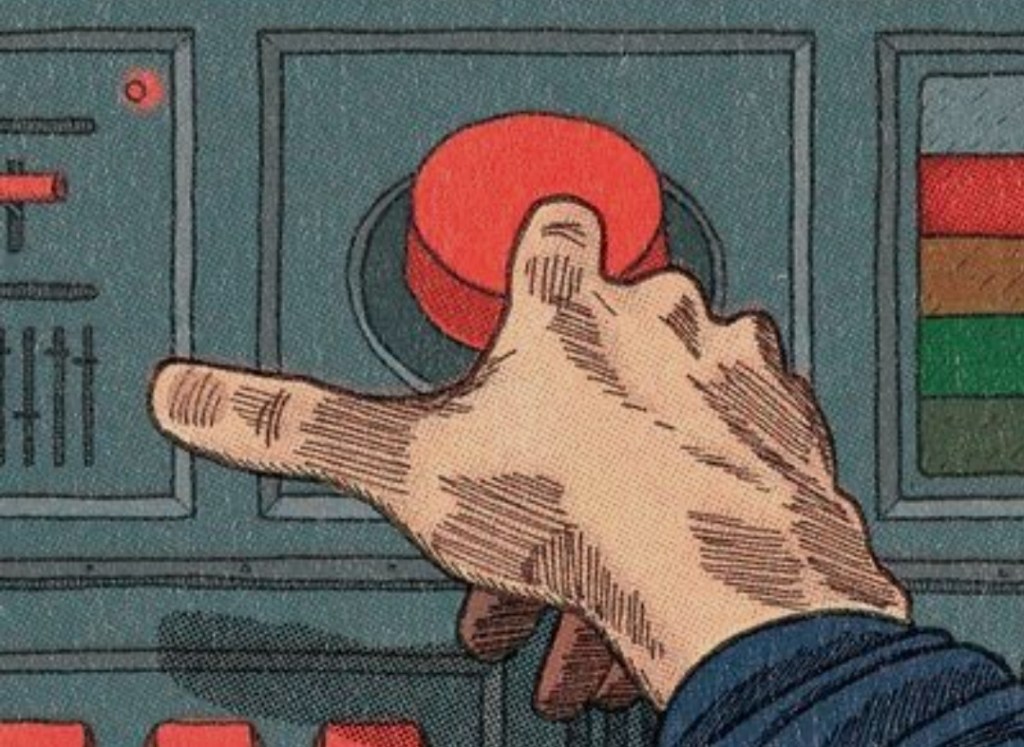
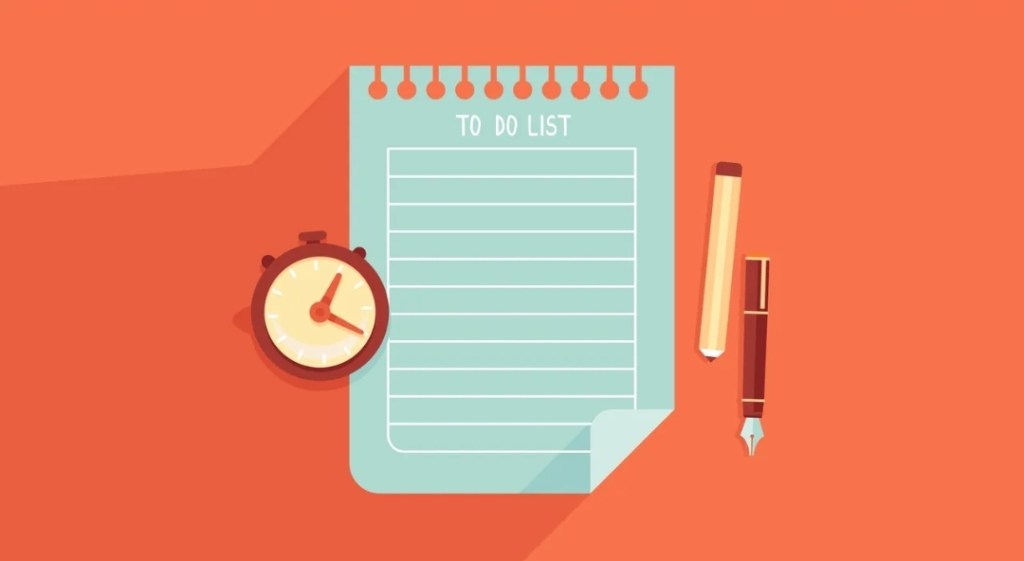
 Cantankerous Cockerel